Commodities● Neutral
Rupee's 10% Drop Forces Corporate Hedging Scrutiny
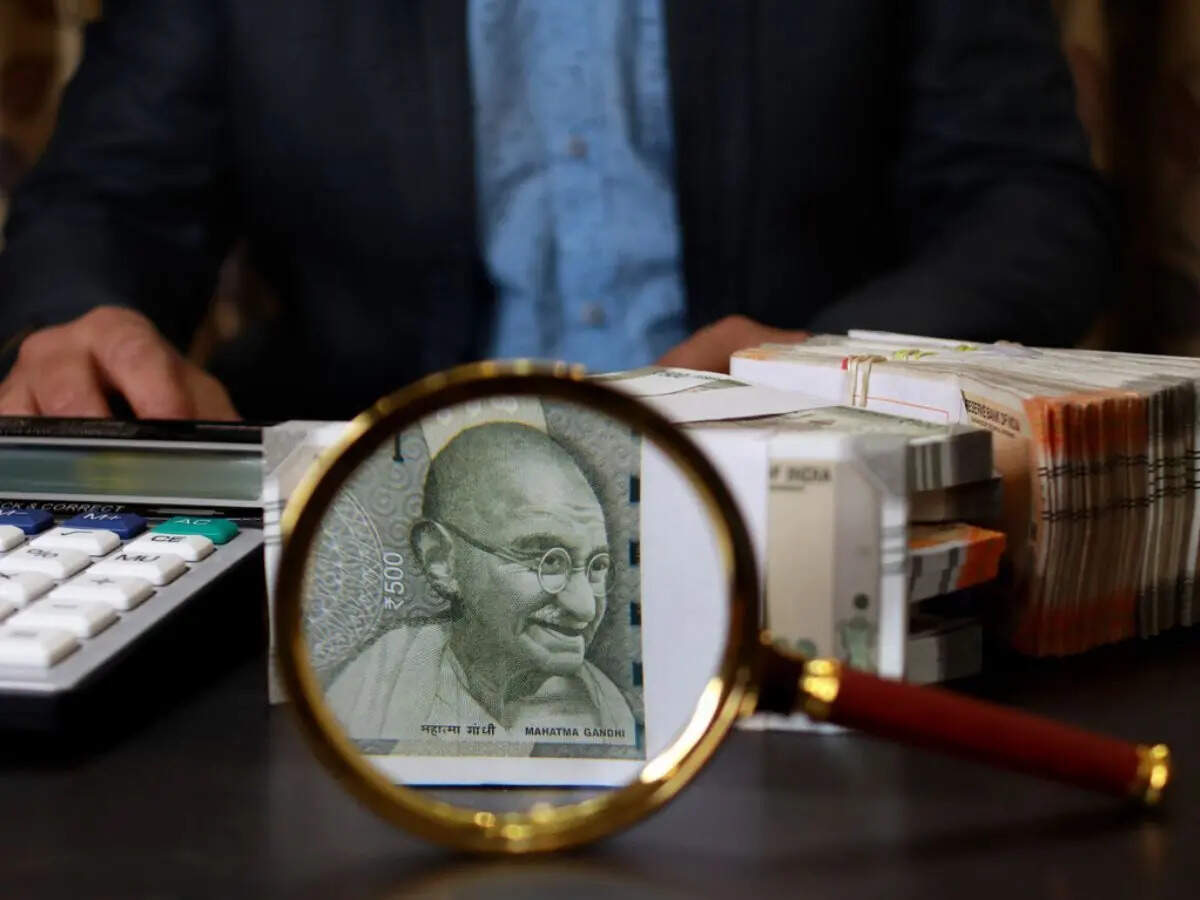
Rupee down 10% in a year. Earnings calls now focus on hedging strategies. Import-heavy sectors face margin risk. Next catalyst: RBI stance and trade data.
Continue with
The rupee has weakened about 10% against the dollar over the past year. That depreciation now dominates earnings call discussions. Investors and analysts are pressing executives on foreign-exchange hedging and risk management with an intensity not seen in recent quarters.
The 10% Rupee Drop Reshapes Earnings Call Priorities
The simple read is that a weaker rupee benefits exporters by boosting the value of overseas revenue. That holds for software exporters and pharmaceutical companies that earn a majority of revenue in dollars. The better market read is more nuanced. Import-heavy sectors – crude oil refiners, electronics manufacturers, and commodity processors – face a direct cost headwind. Their input costs rise in rupee terms, compressing margins unless costs are passed through quickly. Even exporters are not immune: those with unhedged foreign-currency receivables face translation risk on balance sheet items. The cash flow benefit from a weaker rupee can be partially offset by higher hedging costs if the currency continues to slide. Forward premiums widen when depreciation expectations rise, making long-term hedges more expensive. The question on every earnings call is whether management has a documented hedging strategy that matches the expected exposure – and whether that strategy is dynamic enough to adjust to a changing rupee trajectory.
Why Import-Heavy Sectors Face a Margin Squeeze
Companies are responding by tightening their forex risk frameworks. Exporters are extending forward cover durations to lock in current exchange rates. Importers are using options to cap upside in the dollar-rupee pair while retaining some benefit if the rupee stabilizes. The common thread is that no one wants to be caught off-guard if the rupee weakens further – a scenario gaining speculative support as the Reserve Bank of India's intervention capacity faces limits.