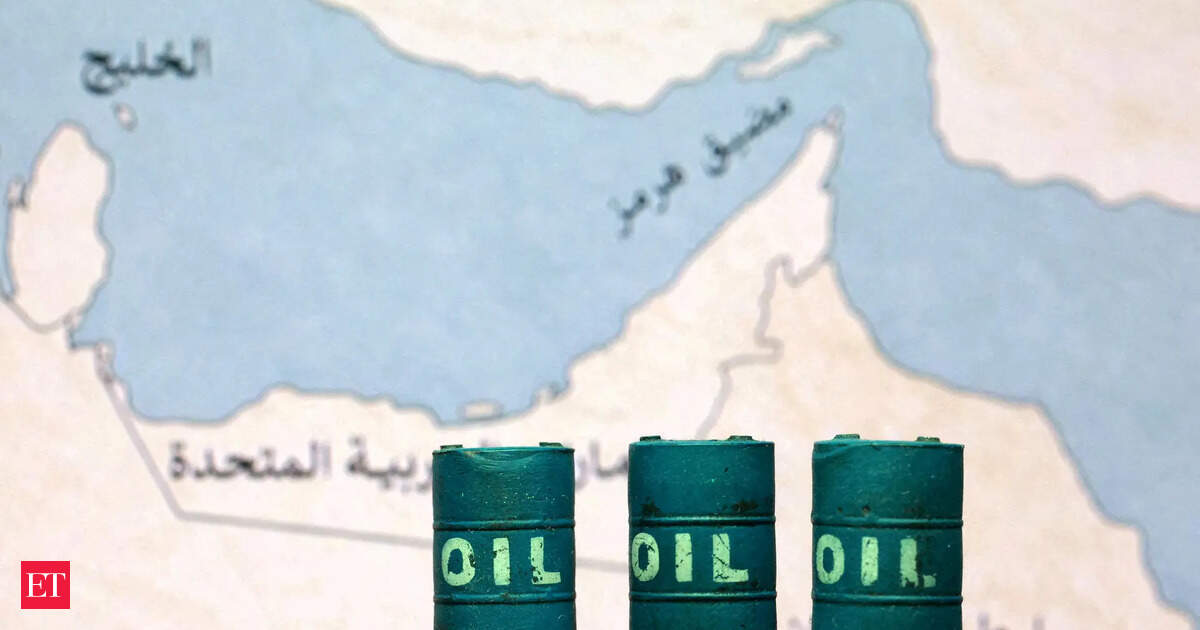
Senator Marco Rubio has asserted that the United States remains the sole nation with the capability to maintain the openness of the Strait of Hormuz. This declaration serves as a critical pivot point for energy markets, as it frames the security of global oil transit not as a multilateral effort, but as a singular American strategic responsibility. For traders, this rhetoric elevates the geopolitical risk premium associated with energy infrastructure in the Middle East, particularly as global reliance on the chokepoint remains a constant variable in crude oil pricing.
The Strait of Hormuz facilitates the transit of a significant portion of the world's daily oil production. Rubio's framing suggests that any disruption to this flow would necessitate a direct and immediate American response, bypassing traditional reliance on regional alliances or international coalitions. This creates a binary outcome for energy markets: either the status quo of open transit is maintained through U.S. naval presence, or a localized conflict triggers a rapid, high-stakes intervention. Market participants often price in a baseline level of regional tension, but this specific assertion shifts the focus toward the potential for a unilateral escalation.
Strategic Implications for Energy Markets
When a high-ranking official identifies a specific geographic chokepoint as a U.S.-exclusive security responsibility, the market mechanism for pricing energy futures changes. Traders must now account for the possibility that the U.S. will act independently of its allies to secure supply lines. This increases the sensitivity of oil prices to any news regarding naval activity or diplomatic friction in the Persian Gulf. If the market perceives that the U.S. is the only entity willing or able to intervene, the volatility associated with regional threats will likely increase, as the threshold for a military response effectively lowers.
This stance also impacts the broader stock market analysis regarding energy sector valuations. Companies with significant upstream exposure in the Middle East are particularly vulnerable to shifts in how the U.S. manages regional security. A policy that emphasizes unilateral action creates a more volatile environment for capital expenditure planning and long-term asset valuation. Investors should monitor whether this rhetoric translates into specific changes in naval deployment or defense posture, as these are the concrete markers that will influence insurance premiums for shipping and, by extension, the landed cost of crude oil.
The Next Decision Point
Moving forward, the primary indicator for market participants will be the consistency of this policy in the face of actual regional provocations. If the U.S. government follows this rhetoric with increased naval presence or explicit warnings to regional actors, the risk premium on energy assets will likely widen. Conversely, if the administration balances this stance with diplomatic efforts, the market may discount the threat of unilateral intervention. The next concrete marker will be the reaction of regional powers to this assertion, as their response will dictate the actual level of tension in the Strait of Hormuz in the coming months.