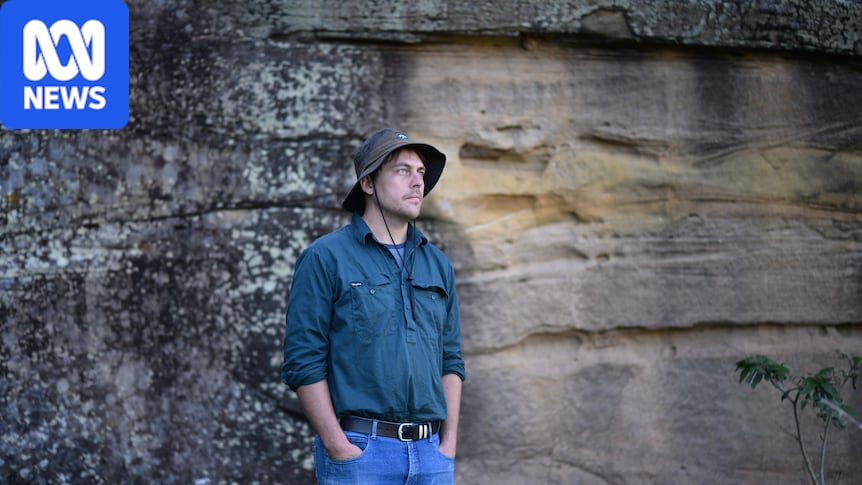
Rosehill Sandstone withdrew its mining lease application for a 62-hectare quarry in Queensland's Lockyer Valley last week, ending a dispute that had turned a 29-year-old cattle farmer into an unlikely activist.
The company, a small family-run business based in the Southern Downs, had sought to extract sandstone from land including 21 hectares of the Storey family's Junction View farm. Daniel Storey, who farms land first worked by his mother's family in the 1920s, led community opposition after the consultation period opened.
Storey drafted objection letters from his kitchen table and spoke to local media. The tiny community of about 60 people rallied behind him. Neighbouring grazier Danny D'Andilly, whose property was also within the proposed lease, said the decision brought certainty.
John Doherty, manager of Rosehill Sandstone, gave an unusually candid reason for walking away. He said it was only after the objection responses came in that the company understood what people were actually thinking, particularly the young farmer on one of the lots. "He's happy in doing what he's doing and really didn't want to upset him," Doherty said. He believed the company might have succeeded in the Land Court but chose not to force a business onto someone's property.
The case reflects a broader trend in Australian resource development. Community opposition has influenced projects ranging from Waratah Coal's abandoned Galilee Basin mine to the High Court's rejection of KEPCO's Bylong Valley coal mine. More recently, Queensland's deputy premier cancelled the proposed Moonlight Range Wind Farm after widespread local opposition.
University of Sydney emeritus professor of anthropology Linda Connor said major resource projects could turn ordinary rural landholders into activists. She said resistance was usually driven by a deep attachment to place, not blanket opposition to mining or renewable energy. "They are confronting what is for them an existential problem," she said.
A bill before the Queensland Parliament would expand compulsory acquisition powers for some critical minerals projects. Lawyers have warned it could weaken Land Court rights that communities have used to challenge developments. The Junction View dispute is small, but it shows how social license can matter as much as government approval.
For Storey, the withdrawal means a return to ordinary life. "Without this mining lease application over our heads, we've got a bit more ability to plan and to be excited about what could happen," he said.
Doherty summed up the company's calculus: "The money's not the end of the world. You've got to work with the people that surround where you're working."
Investors in mining and energy companies should watch how Queensland's proposed bill affects the balance between project approvals and community rights. The episode is a reminder that local opposition can derail projects even when legal pathways exist. For broader context on how regulatory and social factors shape stock market analysis, the Lockyer Valley case offers a real-world example of the risks that resource companies face beyond the balance sheet.