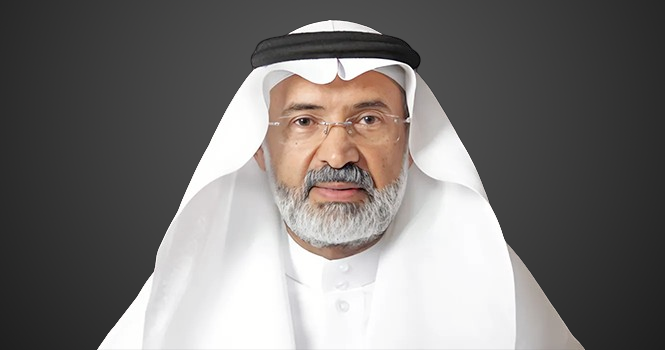
Riyadh Cement Co.'s first-half net profit fell 17%, to SAR 110 million from SAR 133 million a year earlier, according to Argaam data. Chief Executive Shoeil Al Ayed expects only a gradual demand recovery in the second half of 2026. Selling prices are still fluctuating under competitive pressure, especially in the Central Province, he told Argaam, and demand in H1 2026 held level with a year earlier.
The market faces a relative oversupply because several producers have lifted clinker output, Al Ayed said. The average price of black cement came to about SAR 176 per ton in the second quarter. He tied that level to oversupply and high clinker inventories across the sector. Sector-wide clinker inventories reached almost 45 million tons by the end of June. Riyadh Cement's own clinker inventory stood at about 1.4 million tons, a level he described as consistent with the company's plan to keep output ready for expected demand and balance production with inventory.
Riyadh Cement is responding with operational and commercial discipline, Al Ayed said. Production is aligned with actual demand, and inventory is managed tightly. The sales mix is tilted toward white cement, the higher-margin product. He said the approach is meant to defend sustainable profit margins.
The profit drop came even though demand was stable. Al Ayed pointed to price pressure and the fuel bill as the main drags on the half. Higher fuel prices cost the second-quarter profit margin about 4 percentage points, and fuel was the main driver behind the rise in cost of sales. Better operating efficiency and a larger share of white cement in sales kept the damage contained. Profitability stayed at good levels relative to market conditions, he said.
Al Ayed expects demand to recover gradually in the second half of 2026. He pointed to continued government spending and faster project execution. Private-sector activity is improving as well, he said. Higher sales volumes and a gradual return of market stability should follow, supporting the company's financial and operational performance, he said. Fuel costs are likely to stay stable in the second half, Al Ayed said, unless energy prices move sharply or other operating factors change. The company will keep its focus on operating efficiency and shareholder returns, he added.
Riyadh Cement continues to benefit from a strong financial position, Al Ayed said.
The company has no bank liabilities. The absence of bank debt gives the company financial flexibility for operations and investment, and room to absorb market swings. It also leaves room to pursue growth opportunities.
Geopolitical developments had only a "limited" effect on operations, Al Ayed said, mostly through higher costs and slower delivery of some imported spare parts. "This did not have a material impact on the continuity of our operations, thanks to efficient supply chain management and procurement planning. We were not materially affected by raw material and fuel costs, given our reliance on local sources for more than 99% of our raw material requirements, in addition to stable fuel supplies within Saudi Arabia," he said.
Sector clinker exports have faced disruption since the start of 2026, Al Ayed said, citing logistical problems linked to regional developments. He said Riyadh Cement did not see a material impact because it relies on the domestic market for black and white cement sales.