Stocks● Neutral
Riyadh Bridge Project Hits 28% Completion, Signals Infrastructure Spend
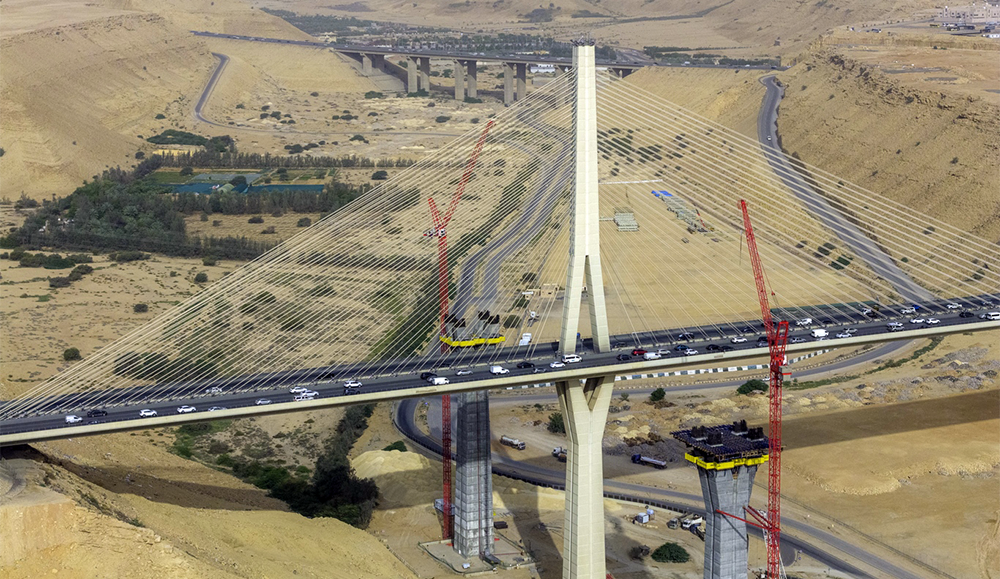
RCRC reports 28% completion on two bridges parallel to Wadi Laban Bridge. The milestone signals sustained Saudi infrastructure spending and points to future revenue for construction contractors.
Continue with
The Royal Commission for Riyadh City (RCRC) reported a 28% completion rate for two bridges being built parallel to the existing Wadi Laban Bridge. The project is part of a program to develop Riyadh's road network and ease congestion on one of the city's key arterial routes.
Why the Wadi Laban Parallel Bridges Matter Now
Riyadh's population has grown rapidly. Traffic bottlenecks along the Wadi Laban corridor have become a daily constraint for commuters and logistics. The parallel bridges are designed to increase throughput without widening the existing structure. A 28% completion rate means the project is still in early-to-mid construction. The RCRC's public update signals that the program is on schedule and funded.
For investors tracking Saudi infrastructure, this is a concrete data point. The project's progress implies sustained demand for construction materials, engineering services, and labor. It also reduces the risk of cost overruns or delays that could ripple into related sectors.
The Mechanism: How Bridge Capacity Changes Urban Economics
Adding two parallel bridges effectively triples the vehicle capacity of the Wadi Laban crossing. That changes travel times for residential areas south of the city and for freight moving between industrial zones. Shorter travel times increase the effective labor pool for employers and raise property values in previously underserved districts.
The RCRC is the lead agency for Riyadh's urban development. Its project updates are a proxy for the pace of government capital spending. When completion rates rise steadily, it signals that budget allocations are being executed and that contractors are meeting milestones.