Stocks● Neutral
Rippling countersues Runlayer for patent infringement in escalating IP fight
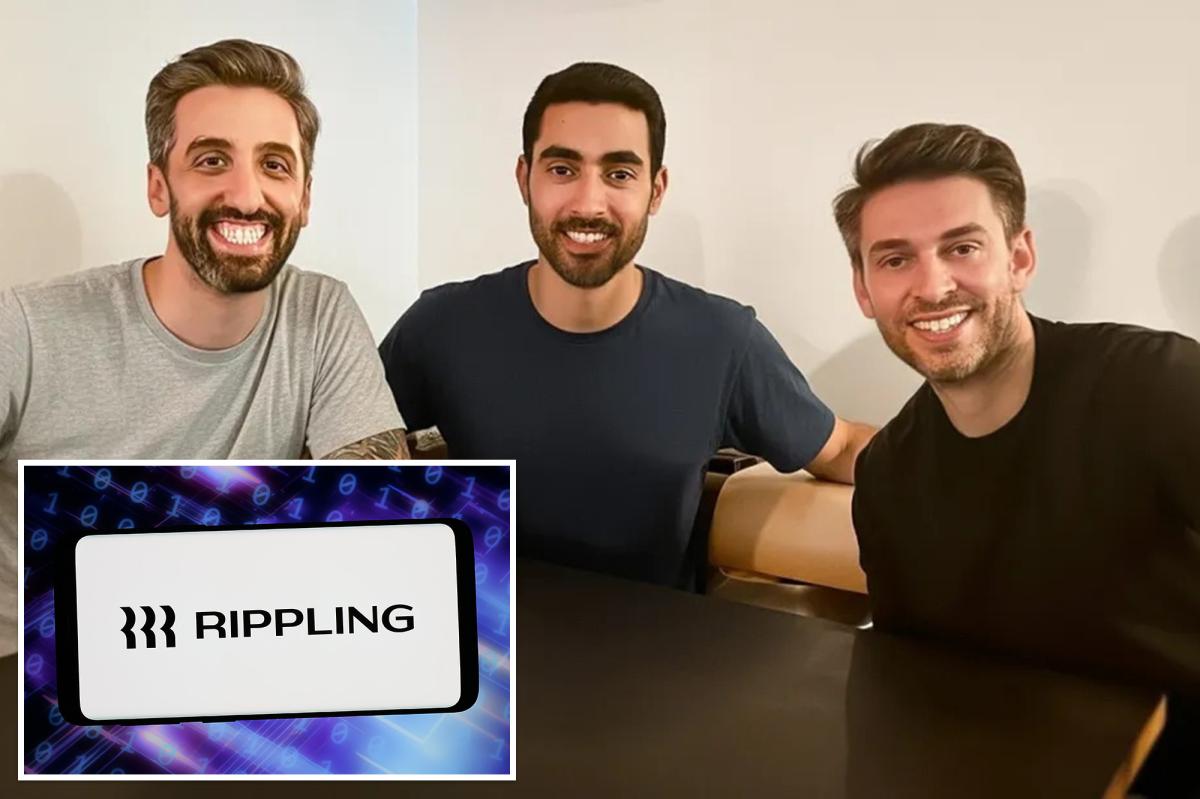
Rippling fires back at Runlayer's trade secret lawsuit, alleging patent infringement in Delaware court. Insider's text message is now disputed, with the engineer saying he was misquoted.
Continue with
The legal battle between HR software provider Rippling and AI startup Runlayer escalated Monday. Rippling filed a patent infringement lawsuit in U.S. District Court for Delaware, accusing the New York company of copying its technology.
Runlayer's platform "infringes Rippling's patents, steals its intellectual property, and drafts off the substantial time and resources Rippling spent developing this technology over the past decade," the complaint states. Runlayer, backed by tech billionaire Vinod Khosla, is accused of "free-riding" on Rippling's patented software, causing "actual damages in the form of lost sales, lost customers, and price erosion."
The counterclaim follows Runlayer's trade secret lawsuit last month. Runlayer alleged Rippling stole its proprietary information to "build essentially a clone" of its safety and governance product during a commercial partnership. Rippling denied those claims in separate court filings.
"It takes a certain boldness to accuse a competitor of violating intellectual property laws while infringing on that competitor's inventions," a Rippling spokesperson said. "Having manufactured claims against Rippling to distract from its business failures, it now has to face a lawsuit for repeatedly copying Rippling's inventions in building its own products."
Runlayer CEO Andrew Berman rejected the counterclaim as retaliation. "This is a desperate, retaliatory ploy to distract from the fact Rippling misappropriated our proprietary technology," Berman said. "We clearly have a standout AI product that has nothing to do with these patents. No attempt to bully or distract will prevent us from protecting our IP and continuing to innovate and create the best product for our fast-growing customer base."