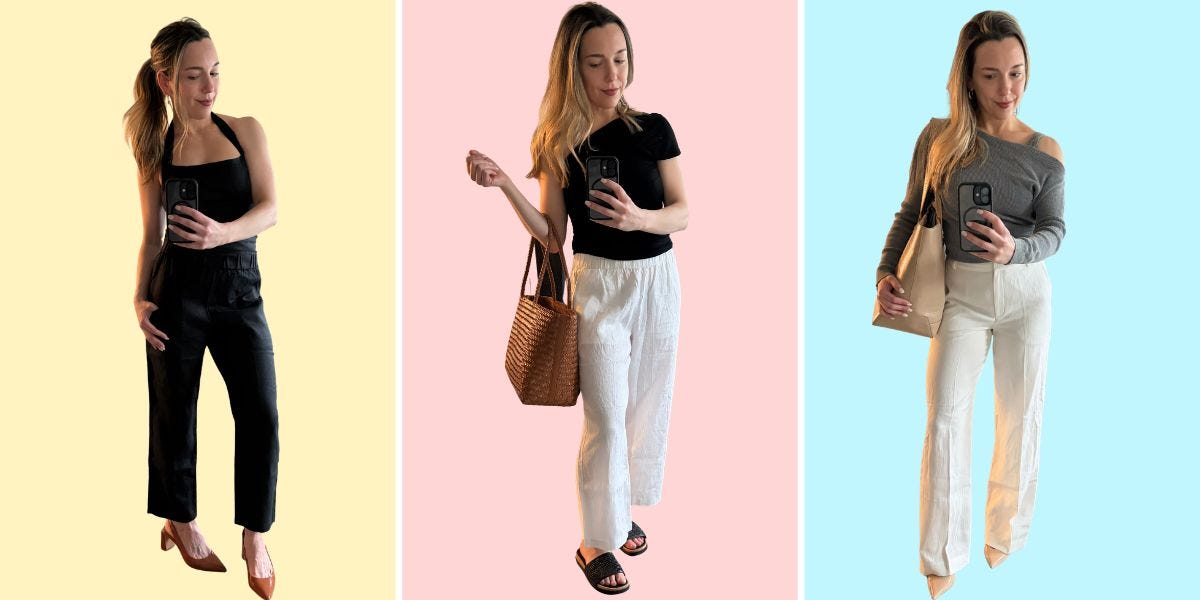
Retailers Vie for Consumer Spend as Linen Pants Trend Peaks

As consumer preference shifts toward breathable natural fibers, retailers are prioritizing premium linen trousers that offer versatility for both work and travel.
The Demand for Breathable Apparel
Retailers are seeing a surge in interest for linen trousers as shoppers look for clothing that balances professional polish with temperature control. After evaluating 12 different pairs of linen pants, the consensus is clear. Quality linen remains a preferred choice for workplace attire and travel-ready wardrobes. Consumers are prioritizing fabrics that offer breathability without sacrificing a structured silhouette.
Where Linen Meets Utility
Market data shows that shoppers are moving away from synthetic blends. They want natural fibers that justify a premium price point. The testing process focused on four primary consumer needs:
- Workplace suitability: Maintaining a crisp look through long hours.
- Travel performance: Resistance to excessive wrinkling and ease of movement.
- Petite-friendly cuts: Proportional tailoring that avoids the need for secondary alterations.
- Value-for-money: Ensuring the cost-per-wear aligns with fabric durability.
Market Implications for Apparel Stocks
Retailers that successfully transition their inventory to high-quality linen are finding better margins. Investors watching market analysis will note that brands focusing on versatile, seasonless staples are currently outperforming those reliant on fast-fashion cycles. The shift toward premium, breathable textiles suggests a change in consumer spending habits; buyers are opting for fewer, higher-quality items.
| Feature | Importance to Consumer |
|---|---|
| Breathability | High |
| Wrinkle Resistance | Medium |
| Tailoring Accuracy | High |
| Price Point | Medium |
"The best linen pants must bridge the gap between comfort and professional standards. If a pair fails to hold its shape after a few hours of wear, it loses its value proposition for the working professional."
What to Watch
Watch for shifts in supply chain costs for raw flax fiber. As demand for linen increases, producers may face pressure to scale output without compromising on quality. Brands that can secure consistent sources of premium-grade linen will likely dominate this segment. If you are tracking the broader retail sector, keep an eye on how inventory turnover rates for natural fiber garments compare to polyester-based alternatives throughout the next quarter.
For those interested in how these consumer trends impact the crude oil profile, remember that the production of synthetic fabrics relies heavily on petroleum-based derivatives. A sustained move toward natural fibers like linen could impact mid-term demand for synthetic precursors.