Stocks● Neutral
Repeat Franchisee Signals Show CaliTacos Unit Economics Work
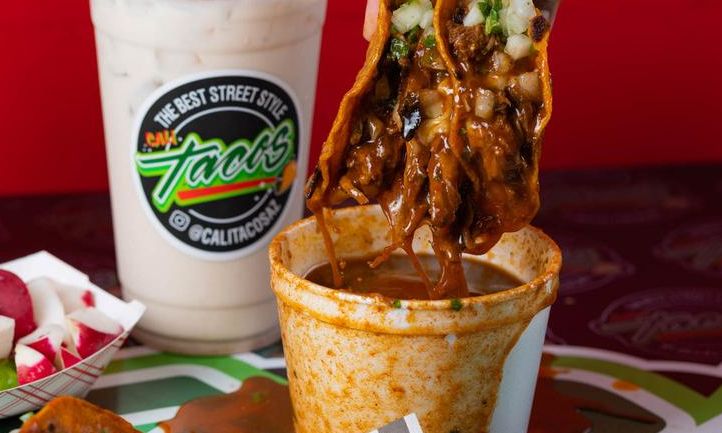
Two existing CaliTacos franchisee groups signed for second Arizona locations after operating their first units just months. Repeat signings from Garcia, Montes and Loera signal viable unit economics at the private fast-casual chain.
Continue with
CaliTacos, the Arizona-based fast-casual taco chain, received a strong signal that its franchise model works. Two existing franchisee groups signed for second locations within months of their first openings. Diana Garcia and Vanessa Montes, who opened their first CaliTacos in Maryvale in February, committed to a second Arizona site. Mario Loera, another existing franchisee, also signed for a second location.
Repeat commitments from franchisees who have operated a unit for even a few months carry more weight than new franchise sales. Those operators have real revenue and cost data. Their decision to expand means the unit economics held up.
“One of the most exciting indicators of a strong franchise system is when your franchise partners choose to grow with you,” said Fabian Ruiz, founder of CaliTacos. “Diana, Vanessa, and Mario have seen firsthand what this brand can do, and their decision to expand speaks volumes about the opportunity we’re building together.”
Garcia and Montes Expand After Maryvale Opening
February Launch as a Proof Point
Garcia and Montes opened their first CaliTacos in Maryvale in February. By late spring, they had signed for a second location. That turnaround is fast by franchise standards. It suggests the Maryvale unit generated enough cash flow and operational confidence to justify a second bet.
Loera Follows Suit
Mario Loera, already operating a CaliTacos location, also committed to a second site. The pattern is clear: existing operators are increasing their exposure to the brand. The chain did not disclose its total unit count or specific revenue figures. The repeat signings themselves become the data.
Why Repeat Franchisee Commitments Signal Viable Unit Economics
The Franchisee’s Information Advantage
A franchisee who runs a unit for even a few months has access to full profit-and-loss statements. They see food cost percentages, average ticket sizes, labor efficiency, and local demand trends. No financial projections or third-party research can substitute that real-world data. When an operator signs for a second location, it means those numbers passed a personal threshold.
The Support System That Lowers Second-Unit Risk
CaliTacos franchisees receive a training package and operational guidance from the brand. West Coast Franchise Developers manages the franchise program. The second location typically opens faster and with fewer startup problems than the first. The support system reduces the learning curve.