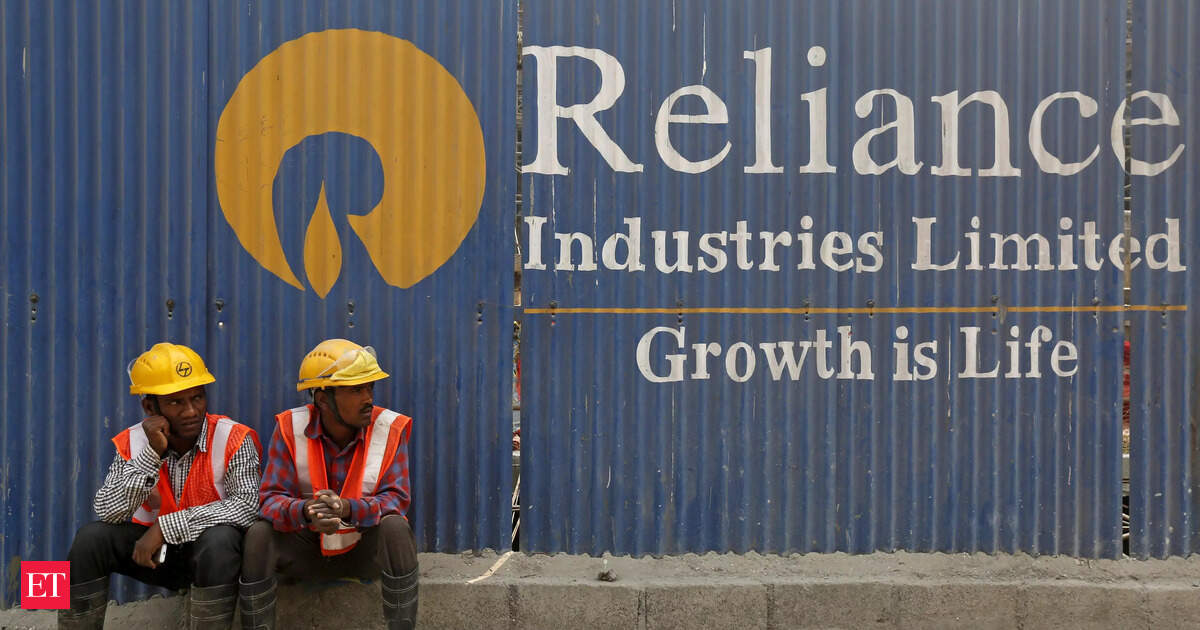
Reliance Industries has successfully navigated a period of heightened energy market volatility throughout fiscal year 2026 by prioritizing supply chain flexibility and aggressive feedstock diversification. The company responded to geopolitical instability in the Persian Gulf by rapidly replacing disrupted supply contracts and securing alternative logistics routes for stranded crude shipments. These operational adjustments allowed the firm to maintain consistent refinery throughput despite significant fluctuations in global energy costs.
Diversification of Crude Sourcing
The core of the company strategy involved shifting away from reliance on traditional regional suppliers that faced sudden logistical bottlenecks. By pivoting toward a broader array of international crude sources, the firm mitigated the risk of supply shocks that could have otherwise curtailed production capacity. This transition required rapid recalibration of refinery intake processes to accommodate varying grades of crude oil, ensuring that the downstream output remained stable even as the underlying input mix changed.
Operational agility served as the primary buffer against the price swings that characterized the broader energy sector during this period. The ability to reroute stranded crude shipments prevented inventory shortages and maintained the integrity of the supply chain. These proactive measures ensured that the company could continue to meet domestic and international fuel demand without the operational downtime that often accompanies sudden supply chain disruptions.
Operational Resilience and Market Positioning
Maintaining high utilization rates in a volatile environment requires precise coordination between procurement teams and refinery operations. The company focused on the following tactical priorities to sustain its market position:
- Rapid replacement of disrupted Persian Gulf supply contracts with alternative global sources.
- Implementation of flexible logistics strategies to manage stranded crude assets.
- Continuous recalibration of refinery processes to handle diverse feedstock profiles.
These efforts reflect a broader trend in Reliance Industries Adjusts Feedstock Strategy Amid Global Crude Volatility, where large-scale operators are increasingly prioritizing supply chain redundancy over cost-minimization alone. The focus remains on securing consistent feedstock flows to protect margins against the unpredictable nature of global crude pricing.
AlphaScala data currently tracks RS (Reliance, Inc.) with an Alpha Score of 44/100, reflecting a mixed sentiment as the company balances operational gains against external macroeconomic pressures. While the firm has demonstrated an ability to manage supply-side risks, the broader energy landscape remains sensitive to further geopolitical developments.
The next concrete marker for this strategy will be the upcoming quarterly operational update, which will provide further clarity on the sustainability of these sourcing shifts. Market participants will look for evidence of whether these alternative supply routes have become permanent fixtures of the procurement strategy or if the company intends to revert to traditional suppliers should regional stability return. Further analysis on these trends can be found in our commodities analysis section.