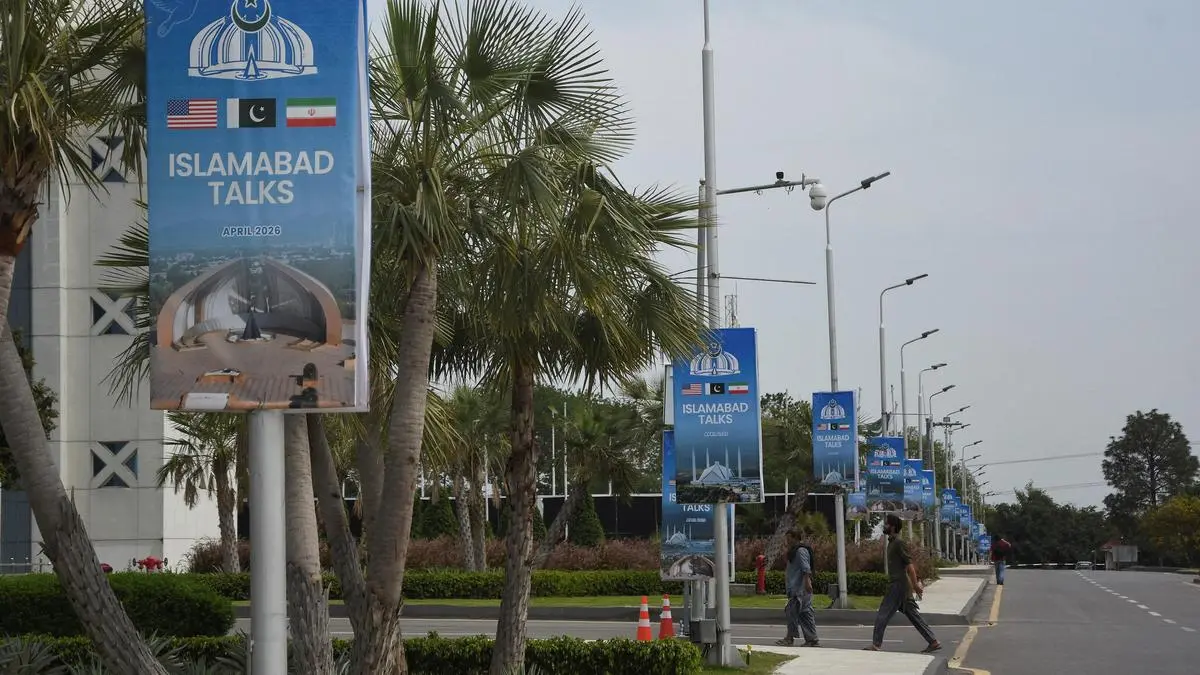
Pakistani authorities have initiated a series of stringent security measures in anticipation of potential diplomatic engagements between the United States and Iran. While no official confirmation regarding a second round of talks has been issued, the mobilization of security assets suggests a heightened state of alert intended to facilitate high-level diplomatic movement. This development underscores the ongoing volatility in regional stability, which remains a primary variable for global energy markets and defense sector planning.
Strategic Implications for Regional Energy Stability
The positioning of Pakistan as a potential neutral ground for US-Iran dialogue highlights the country's role in managing regional friction points. Any escalation in diplomatic tension or a failure to maintain security during these sensitive periods directly impacts the risk premiums associated with energy transit routes. Investors monitoring the geopolitical realignment shifts regional energy and defense risk profiles must account for how localized security protocols in South Asia serve as a proxy for broader Middle Eastern stability. The current measures indicate that regional stakeholders are prioritizing the preservation of diplomatic channels to prevent further disruption to energy supply chains.
Defense Sector and Industrial Read-Throughs
Increased security footprints often correlate with shifts in government spending priorities and the operational constraints placed on industrial assets within the region. As authorities tighten control, the flow of goods and the operational continuity of multinational firms can face temporary bottlenecks. This environment requires a nuanced approach to assessing regional exposure, particularly for firms with significant infrastructure in the vicinity of these diplomatic hubs.
AlphaScala currently tracks Agilent Technologies, Inc. (A stock page) with an Alpha Score of 55/100, reflecting a moderate outlook within the healthcare sector. While the company operates in a different vertical, the broader stock market analysis suggests that regional instability often forces a re-evaluation of supply chain resilience across all sectors.
- Heightened security protocols in diplomatic zones.
- Potential for transit delays in regional logistics hubs.
- Increased scrutiny on cross-border movement of personnel and equipment.
These measures serve as a precursor to the next critical marker, which will be the formal confirmation or denial of the proposed diplomatic talks. If the talks proceed, the focus will shift toward the specific outcomes regarding regional sanctions and energy export policies. If the talks are delayed or canceled, the persistence of these security measures will provide a clear signal that regional authorities anticipate an extended period of heightened tension. The next update from official diplomatic channels will be the primary indicator for whether these security measures are a temporary precaution or a long-term adjustment to the regional risk landscape.