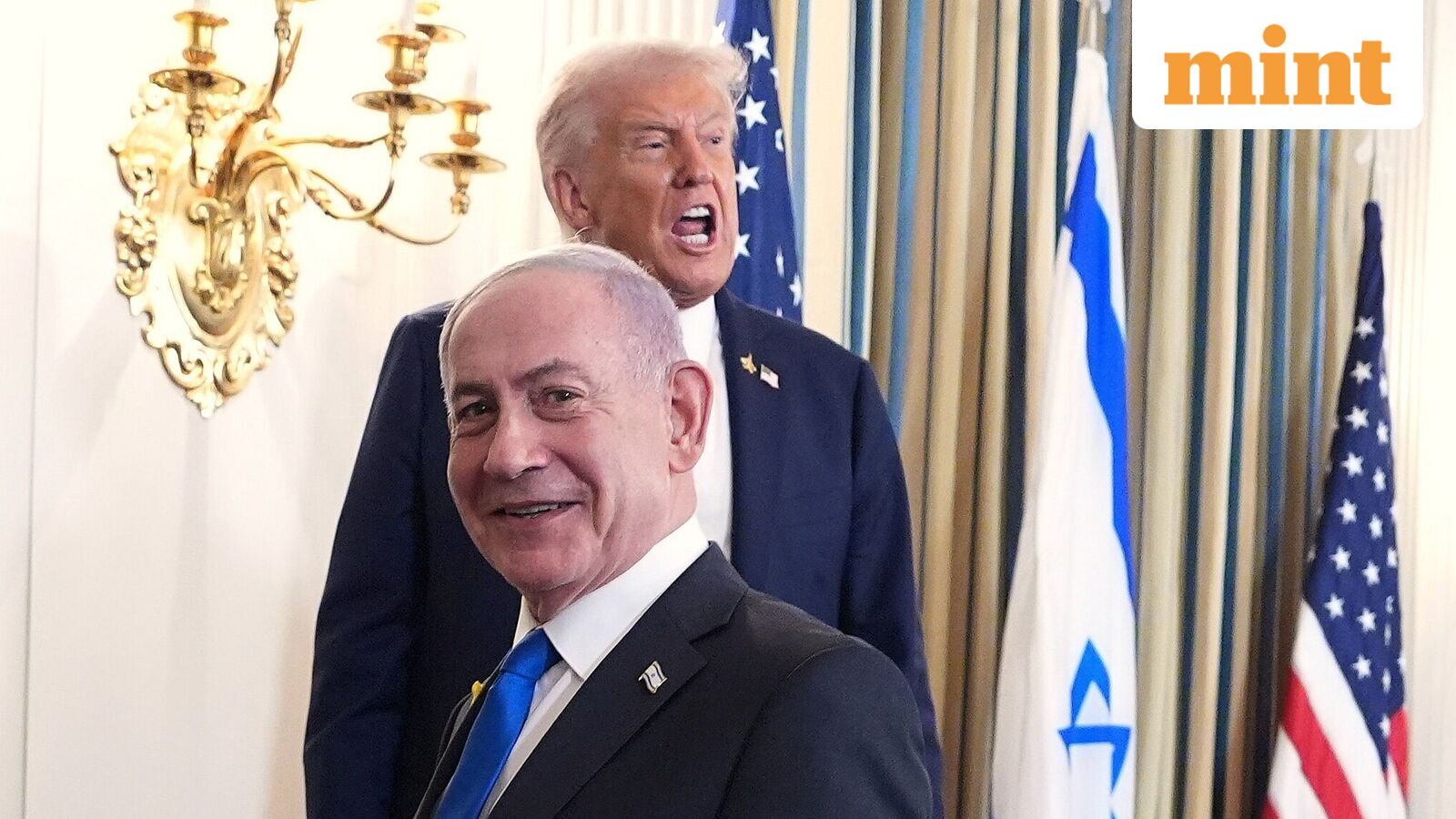
The public divergence between the current administration and former President Donald Trump regarding Israel’s strategic positioning has introduced a new layer of volatility into Middle Eastern security narratives. Trump’s recent characterization of Israel as a loyal ally contrasts sharply with claims from Vice President Kamala Harris, who suggested that Prime Minister Benjamin Netanyahu has actively maneuvered the United States into a direct conflict with Iran. This rhetorical split creates uncertainty for investors assessing the stability of regional energy infrastructure and the long-term viability of defense-related supply chains.
Strategic Implications for Energy Logistics
The threat from Iran to block the Strait of Hormuz remains the primary transmission mechanism for regional instability into global markets. As military posturing intensifies, the potential for a disruption in maritime traffic poses a direct risk to global oil supply flows. Energy producers operating in volatile regions are currently recalibrating their risk assessments to account for the possibility of prolonged naval blockades or localized conflict. The market is now forced to weigh the probability of a sustained supply shock against the existing geopolitical buffer provided by current production levels.
Defense Sector and Regional Alliances
The debate over the nature of the US-Israel relationship carries significant weight for defense contractors and technology firms integrated into the regional security architecture. Companies involved in advanced sensor technology, aerospace, and communication infrastructure are monitoring the political discourse for signs of a shift in procurement priorities or international cooperation agreements. The current tension suggests that the bipartisan consensus on regional defense support may be fracturing, which complicates long-term capital allocation for firms with heavy exposure to Middle Eastern contracts.
AlphaScala data currently reflects the broader market sentiment toward industrial and technology-adjacent sectors. For instance, TEL (TE Connectivity plc) maintains an Alpha Score of 56/100, reflecting a moderate outlook as it navigates global supply chain complexities. Similarly, PR (Permian Resources Corp) holds an Alpha Score of 65/100, indicating a stable position within the energy sector, while W (Wayfair Inc.) sits at 38/100, reflecting a mixed outlook in the consumer discretionary space.
Path to Future Market Clarity
The next concrete marker for this narrative will be the formalization of US policy responses to the ongoing maritime threats in the Strait of Hormuz. Investors should look for official statements from the Department of Defense regarding naval deployments or changes in regional security cooperation. Any shift in the legislative approach to foreign aid or military support for regional partners will serve as a critical indicator of how the political divide will impact industrial and energy-related stock market analysis. The market will also be sensitive to any updates regarding the operational status of key energy transit points, as these will provide the first tangible evidence of whether the current rhetoric has translated into physical risk to global logistics.