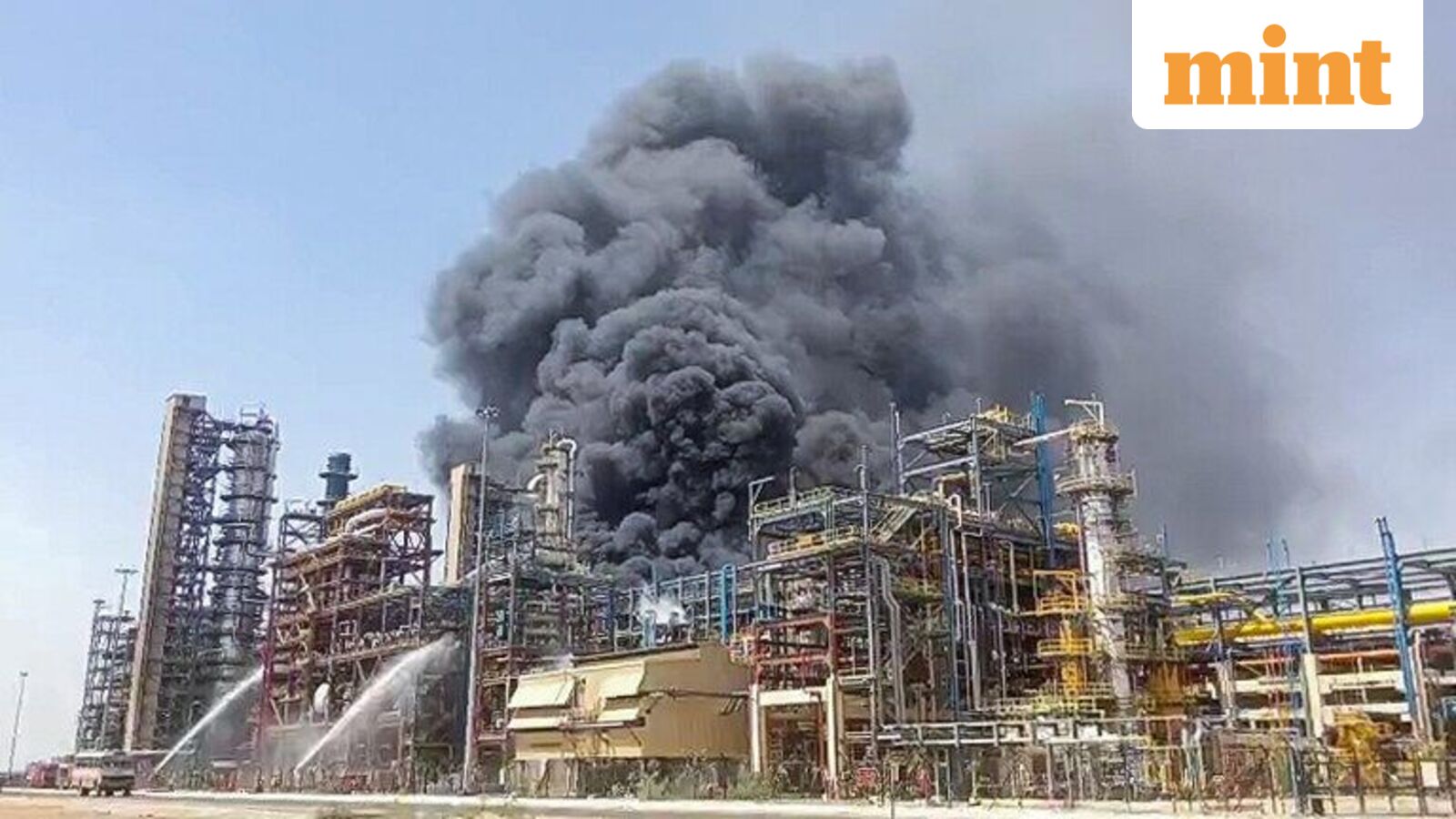
A significant fire erupted at India’s first greenfield integrated refinery-cum-petrochemical complex in Pachpadra, Balotra district, on Monday. The incident occurred just one day before the facility was scheduled for a formal inauguration by Prime Minister Narendra Modi. Visuals from the site showed thick plumes of black smoke rising from the complex, necessitating an immediate emergency response from multiple firefighting units.
Operational Setbacks and Infrastructure Impact
The timing of the blaze presents a logistical challenge for the project, which represents a major shift in India’s domestic refining strategy. As a greenfield site, the facility was designed to integrate petrochemical production directly with refining capacity to optimize output and reduce reliance on imports. The fire forces an immediate pause in final commissioning activities while safety assessments are conducted to determine the extent of damage to critical processing units.
This disruption affects the broader energy sector, as the refinery was expected to bolster domestic supply chains for refined products and petrochemical feedstocks. The incident highlights the inherent risks associated with the final stages of commissioning large-scale industrial infrastructure. Stakeholders are now waiting for official reports on whether the structural integrity of the primary processing towers remains intact or if the fire will necessitate a significant delay in the project timeline.
Sector Read-through and Energy Security
The refinery was a centerpiece of the government's push to enhance energy security and industrial self-sufficiency. The project was intended to serve as a model for future integrated complexes, emphasizing high-efficiency output and modern safety standards. Any prolonged closure of the site could influence domestic fuel pricing and supply dynamics, particularly as the region navigates ongoing energy inflation pressure.
Market participants are monitoring the situation to see if the incident triggers a broader review of safety protocols across similar upcoming energy projects. While the immediate focus remains on containment and damage mitigation, the long-term impact on the facility's operational readiness remains the primary concern for investors tracking the energy sector. The facility's ability to resume testing will be the next concrete marker for the project's viability.
AlphaScala Data Context
Industrial incidents of this nature often lead to increased scrutiny of capital expenditure efficiency and project management timelines. While our current coverage focuses on diverse sectors, including consumer staples and technology, the following stocks remain under observation for their broader market correlations: PM stock page (Alpha Score 47/100, Mixed), ON stock page (Alpha Score 45/100, Mixed), and A stock page (Alpha Score 55/100, Moderate). These scores reflect current volatility and sector-specific performance metrics that may be influenced by shifts in industrial energy costs and supply chain reliability.