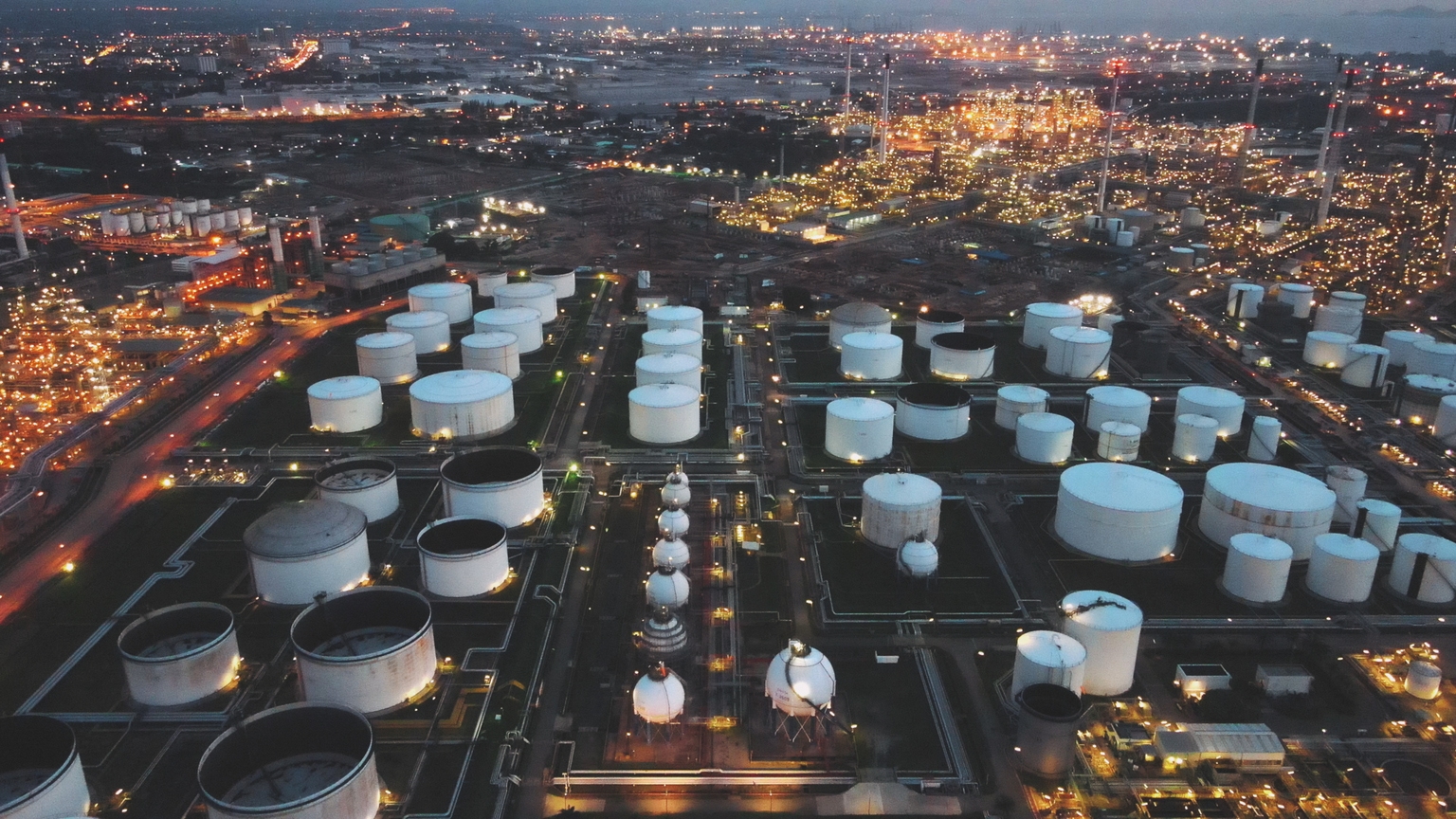
CRAK surged on Iran conflict but now shows technical breakdown. The risk: de-escalation or OPEC+ action could erase the tailwind before valuation plays out.
The VanEck Oil Refiners ETF (CRAK) rallied hard after the Iran conflict drove crude prices higher and strained supply chains. The technical picture has since shifted. Refiners were a hot trade. WTI and Brent surged while supply was choked off. Companies tasked with processing oil ran at capacity, as high refinery utilization showed.
That valuation now looks compelling. A Seeking Alpha analysis flagged that the ETF's price drop has created a potential entry point. The technical damage from the recent selloff may take time to repair. The analyst behind the analysis disclosed no position in the ETF.
The risk for CRAK holders is that the tailwinds reverse before the technicals stabilize. If the Iran conflict de-escalates, crude premiums could unwind. Refining margins would compress. The ETF's gains would reverse.
No ceasefire has been announced. Diplomatic channels remain active. The next concrete marker is the OPEC+ meeting in early June. An agreement to raise output would add crude supply and hurt refiners. The ETF's breakdown below its 50-day moving average signals caution.
What would reduce the risk: a new catalyst that confirms the supply disruption thesis. Escalation in the Strait of Hormuz or additional sanctions on Iranian oil would rekindle the rally. What would make it worse: a diplomatic breakthrough that opens Iranian exports. The resulting drop in crude prices would compress refining margins, making the valuation less compelling.
The ETF holds a basket of major U.S. refiners. Their earnings depend on refining margins, which expanded on the supply scare. If margins contract, earnings will fall. The ETF's dividend yield, currently attractive, would face pressure.
Technical damage often requires time to repair even when fundamentals are intact. The analyst who wrote the original article disclosed no position in CRAK.
Prepared with AlphaScala research tooling and grounded in primary market data: live prices, fundamentals, SEC filings, hedge-fund holdings, and insider activity. Each story is checked against AlphaScala publishing rules before release. Educational coverage, not personalized advice.