Commodities● Neutral
Red Mountain RMX Secures Pioneer Tungsten – What Comes Next
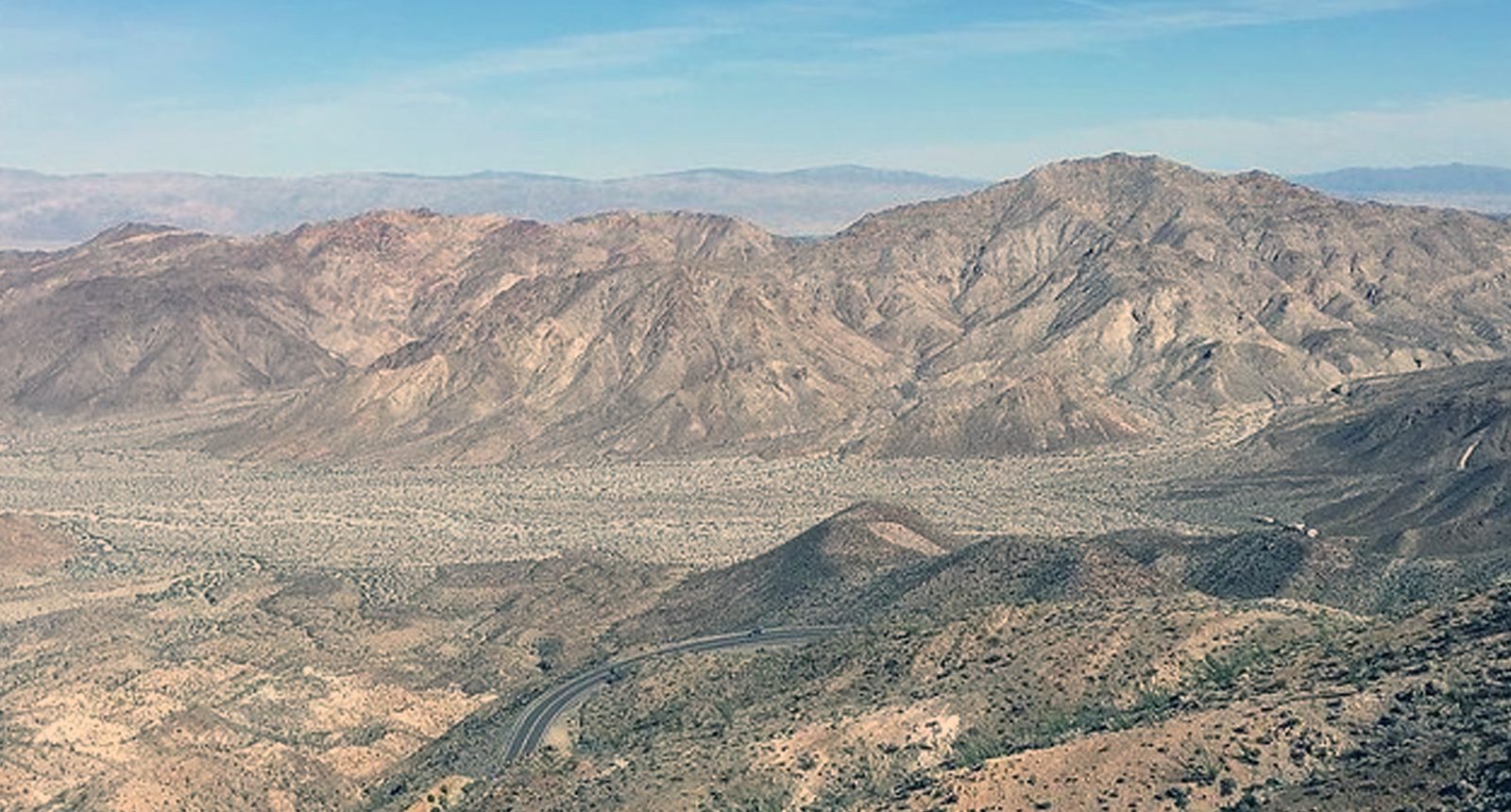
Red Mountain Mining exercises option for 100% of 209ha Pioneer Tungsten in Montana. Historical output 680kt ore. Drilling approvals underway. Next catalyst: initial sampling next month.
Continue with
Red Mountain Mining (ASX:RMX) has exercised its option to take 100% ownership of the 209-hectare Pioneer Tungsten Project in Montana. The company paid $90,000 upfront and will make annual instalments of $1.08 million over four years, with a final $1.8 million payment to complete the acquisition. Red Mountain’s board said it was “pleased to have secured the acquisition” and now plans to “rapidly progress” exploration in the United States.
Why Tungsten Is a Critical Mineral Play
The U.S. government classifies tungsten as a critical mineral. It is used in cutting tools, military armour, electronics, and medical equipment – applications with no easy substitute. China controls roughly 80% of global supply, which creates a strategic premium for domestic projects. Any project inside the U.S. that can deliver scheelite concentrate gets attention from policymakers and industrial buyers.
Red Mountain is moving into a known district. The Pioneer claims sit along the eastern margin of the Mount Torrey Batholith near claims bought earlier in CY25 by Almonty Industries (ASX:AII). Almonty has been working the Gentung deposit, which holds an established resource of 6.83Mt @ 0.315% tungsten. That proximity gives Red Mountain a ready grade and cost benchmark.
The Project’s Geology and History
The project comprises three claim groups: Greenstone, Mammoth, and Lost Creek. All three contain tungsten-bearing garnet skarn mineralisation. Locally, “massive” garnet skarns measure up to 25 metres thick, with scheelite assays running over 0.315% and up to 0.5%.
The area also holds the historic Ivanhoe and Lost Creek mines. Red Mountain estimates those two mines collectively produced as much as 680 kilotonnes of tungsten ore during the 1950s and 1970s. The ore was last worked nearly 50 years ago, meaning the district has existing data, access tracks, and a known mineralisation model.
The Common Mistake: Confusing Ownership with Output
Most retail traders see a headline about 100% ownership and assume production is imminent. That is rarely true in junior critical minerals. Ownership only grants the right to explore. It does not deliver a resource estimate, a mine plan, or a permit.
Practical rule: a 100% interest in a 209-hectare project is the start of a due diligence phase, not the end. Red Mountain plans initial samplings as soon as next month. U.S. geological contractor KC Harvey Environmental has already started on approvals for drilling. Drilling will test tungsten content and downdip extensions. Until assay results come back, the project has historical production numbers but no current resource under JORC or NI 43-101 standards.
Better Framework: Compare District Benchmarks, Not Just Grades
Key insight: the value of a tungsten project depends less on grade alone and more on who will buy the concentrate. The U.S. Department of Defense and domestic manufacturers pay a premium for non-Chinese tungsten. Any project within the U.S. has a built-in offtake advantage over Australian or African peers that must ship across oceans.
Almonty’s $7.8 billion market cap provides a rough ceiling. If Red Mountain can prove a resource of even a fraction of Gentung’s size, the market will assign a multiple based on proximity to end users and the cost to develop. The Pioneer project’s advantage is its location in Montana, a mining-friendly state with existing infrastructure from the historic mines. The risk is that the district’s skarn mineralisation may be discontinuous – a common problem where high-grade zones pinch out quickly.