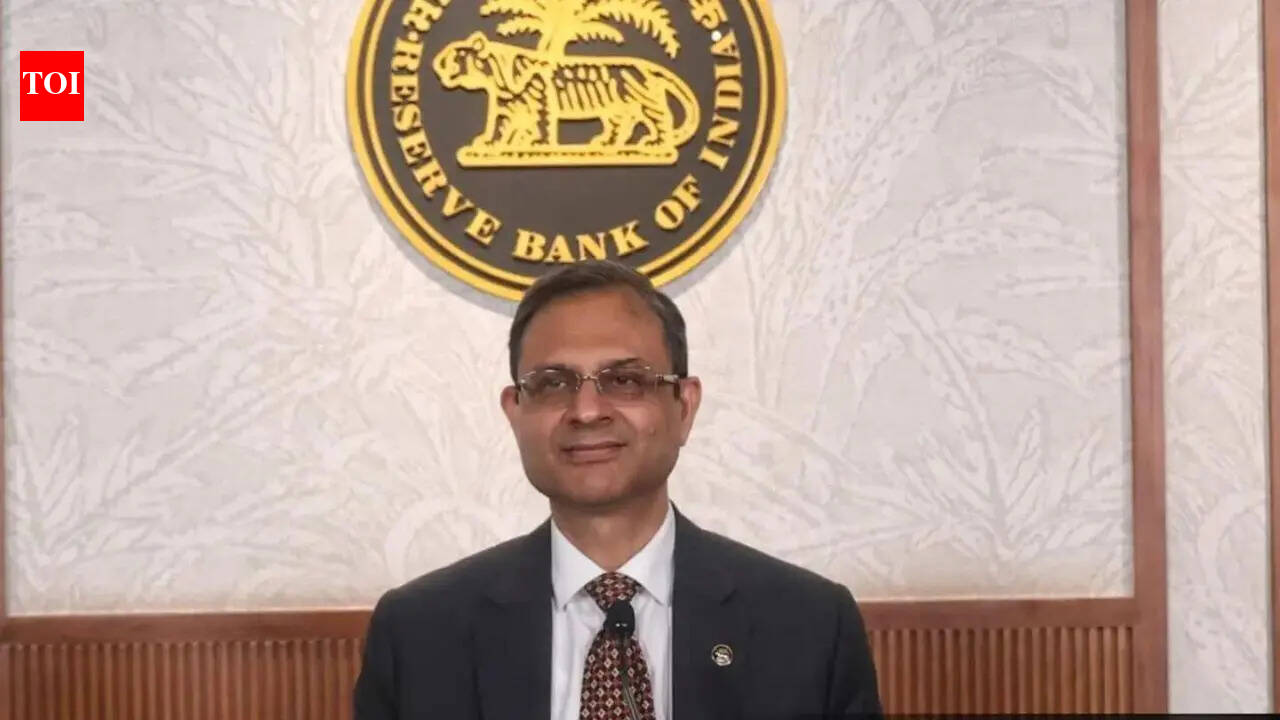
Reserve Bank of India Governor Sanjay Malhotra signaled a shift in strategy on Friday, calling for domestic banks to transition into active market-makers within offshore currency centers. The directive aims to increase the footprint of Indian financial institutions in the global trading of the rupee, moving away from a reliance on foreign intermediaries.
Transmission to Currency Liquidity
The push for greater domestic bank participation in offshore markets is designed to tighten the integration between onshore and offshore pricing mechanisms. By encouraging local banks to provide liquidity in international hubs, the central bank seeks to reduce volatility and narrow the basis between the onshore spot rate and non-deliverable forward contracts. This alignment is critical for managing capital flows and ensuring that domestic policy signals are transmitted more effectively across global trading sessions.
Increased involvement from Indian banks could alter the current structure of currency hedging for multinational corporations and institutional investors. When local banks act as primary liquidity providers, the cost of hedging rupee exposure often stabilizes, as the market becomes less susceptible to the liquidity gaps that frequently occur during non-standard trading hours. This shift is a strategic move to reclaim control over the currency's pricing discovery process.
Impact on Bond Yields and Capital Flows
For fixed-income markets, a more robust offshore presence for the rupee could influence foreign portfolio investment patterns. If the offshore market becomes more transparent and liquid, it may lower the risk premium associated with holding rupee-denominated assets. This could potentially compress yields on government securities as international investors gain confidence in the efficiency of the currency hedging environment.
Market participants are now assessing how quickly domestic banks can scale their international operations to meet this mandate. The transition requires significant investment in global trading infrastructure and a shift in risk management frameworks to accommodate 24-hour liquidity provision. The next concrete marker for this policy will be the issuance of revised operational guidelines from the RBI, which will define the regulatory boundaries for domestic banks operating in foreign jurisdictions.
For broader market analysis, the success of this initiative will be measured by the narrowing of the spread between onshore and offshore rupee rates. As banks begin to adjust their global desks, the focus will remain on whether this increased activity leads to a more stable currency regime or introduces new complexities for the central bank's intervention strategy.