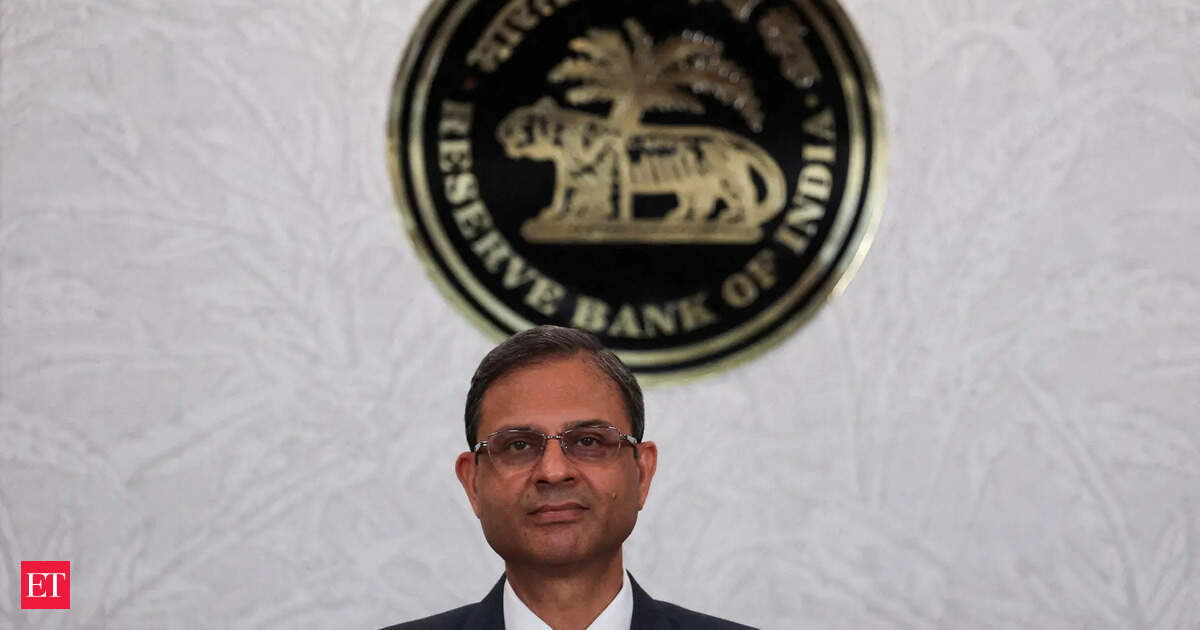
The Reserve Bank of India left the repo rate unchanged at 5.25% and maintained a neutral stance. The more significant intervention came through foreign capital management. The central bank introduced incentives for external commercial borrowings (ECBs) and agreed to bear hedging costs on FCNR(B) deposits. These measures target the same problem the rate decision leaves untouched: persistent foreign portfolio outflows and rupee depreciation pressure.
Why the Repo Rate Hold Is the Less Interesting Part
Holding rates was the easy call. Inflation forecasts were revised up, growth forecasts were trimmed, and the neutral stance gave the RBI flexibility. A rate cut would have risked stoking capital flight. A hike would have choked domestic credit. The status quo buys time without surprising markets.
The real intervention came through the central bank's willingness to absorb currency hedging costs. That changes the calculus for banks and corporates seeking foreign-currency funding. Instead of paying the forward premium out of their own P&L, the RBI takes that cost onto its balance sheet. For a bank looking to raise FCNR(B) deposits, the effective cost of hedging just dropped to zero.
The Mechanism: How the RBI's Cost-Bearing Works
FCNR(B) deposits are rupee-denominated in source foreign-currency in exposure. The bank takes a dollar deposit, converts it to rupees, lends in rupees, and at maturity must return dollars. The hedge cost is the forward premium – typically 4-5% annualized for the dollar-rupee pair. By bearing that cost, the RBI makes these deposits competitive with domestic term deposits, driving incremental foreign inflows.
For ECBs, the incentive structure is simpler: lower all-in costs for Indian corporates borrowing abroad. The RBI is effectively subsidizing the interest rate differential between Indian and foreign credit markets, making overseas borrowing cheaper than domestic borrowing for the same credit quality.
The Simple Read vs. The Better Read
The simple read: lower hedging costs will attract foreign capital and support the rupee. That is directionally correct. It misses the execution risk.
The better read, and the one a trader should track: inflows from these measures replace short-term portfolio outflows. They do not fix the structural current account deficit. Portfolio flows respond to rate differentials and equity risk premiums. FCNR(B) deposits and ECB flows respond to relative funding costs and bank willingness to deploy the facility. The RBI's subsidy closes the cost gap. The demand side – banks willing to originate FCNR(B) deposits, corporates willing to take ECB exposure – still has to materialize.
Confirming Factors
- A measurable uptick in FCNR(B) deposit volumes reported in the RBI's weekly statistical supplement over the next two fortnights.
- ECB registrations with the RBI increase by more than the seasonal trend.
- The rupee trades below the 85 handle for a sustained period without direct RBI intervention.
Invalidating Factors
- Banks pass on the hedging subsidy to deposit rates. Demand does not pick up because the forward curve steepens further, making the subsidy insufficient.
- ECB issuance remains skewed toward refinancing existing debt rather than new dollar borrowing.
- Rupee weakness continues beyond 86 per dollar even with higher deposits, indicating structural outflow pressure that the facility cannot offset.
The Next Decision Point: Will Inflows Actually Show Up?
The RBI's February monetary policy review will be the first hard test. By then, two months of FCNR(B) deposit data and ECB registration numbers will be available. If inflows appear, the central bank has room to delay a rate cut. If they do not, the pressure on the rupee will force either more aggressive intervention or a rate adjustment.
For a trader positioning around the rupee, the relevant question is not whether the RBI's move is good policy. It is whether the hedging subsidy actually moves the quantity of foreign capital into Indian markets. The data over the next 30-60 days will settle that question.
The February review is the first real checkpoint. If inflows register, the rupee can stabilize near current levels. If they lag, the RBI will have to choose between letting the rupee slide or raising rates – a choice the neutral stance tries to postpone.