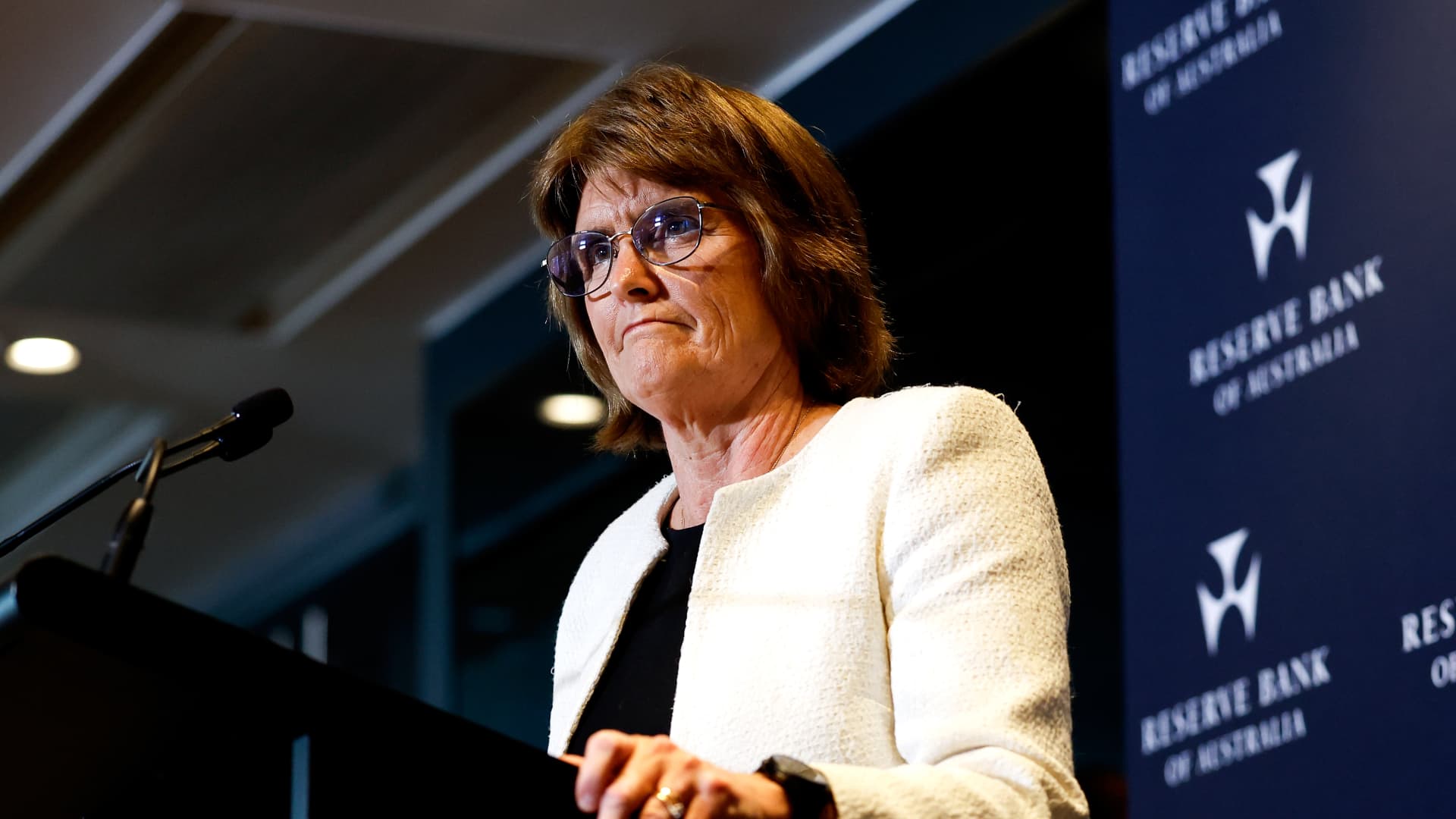
The Reserve Bank of Australia (RBA) lifted its policy rate to 4.35% on Tuesday, marking the highest level since December 2024. This decision, which aligns with economist expectations, represents the third consecutive rate increase as the central bank attempts to combat persistent price pressures. The board vote was not unanimous, with eight members favoring the hike while one member voted to maintain the rate at 4.1%.
Middle East Conflict and Commodity Price Transmission
The RBA explicitly linked the current inflationary environment to geopolitical instability in the Middle East. According to the central bank, the conflict has triggered a sharp rise in fuel and related commodity prices. This supply-side shock is not merely a headline volatility event; the RBA noted that higher fuel costs are already demonstrating second-round effects on the broader basket of goods and services. For market participants, this suggests that the inflationary impulse is transitioning from transient energy spikes into entrenched structural pricing power.
With inflation climbing to 4.6% in March—the highest reading since the RBA began monthly CPI reporting in 2025—the central bank has signaled that price growth will likely remain above its 2% to 3% target range for an extended period. The mechanism here is clear: as energy costs permeate the supply chain, the RBA is forced to prioritize price stability over the momentum of the domestic economy, which grew at a 2.6% annual pace in the fourth quarter.
Economic Resilience vs. Monetary Tightening
Australia’s economy has shown surprising resilience, with fourth-quarter growth reaching its fastest pace in two years. However, this growth is now a liability for the RBA. When an economy grows at 2.6% while inflation sits at 4.09% for the first quarter, the central bank has little room to pivot toward a dovish stance. The RBA’s decision to hike despite this growth indicates a willingness to risk a slowdown to prevent inflation expectations from becoming unanchored.
For those tracking the industrial sector, the RBA’s hawkish stance creates a challenging environment for capital-intensive firms. Companies like RB Global Inc. (RBA), which currently holds an Alpha Score of 37/100, face a dual headwind: higher borrowing costs and the potential for reduced industrial activity as the RBA’s tightening cycle persists. The current "Mixed" sentiment reflects the difficulty of navigating a high-rate environment where the cost of capital is rising just as commodity-driven inflation begins to erode margins.
The Path Forward for Policy
The RBA’s commentary suggests that the uncertainty surrounding Middle East developments remains the primary variable in their future policy path. While the bank has already signaled that further increases were likely during its March meeting, the timing of future moves remains contingent on how quickly fuel price volatility translates into core services inflation.
Investors should look for the following markers to gauge the next move:
- Monthly CPI data: Any deviation from the 4.6% peak will be scrutinized for signs of cooling.
- Fuel price stability: A sustained decline in energy costs would be the most immediate signal that the second-round effects are subsiding.
- Board consensus: The 8-1 vote split suggests that while the majority is hawkish, the threshold for further hikes is becoming more sensitive to growth data.
Ultimately, the RBA is operating under the assumption that the current inflationary environment is not a temporary anomaly but a persistent feature of the global supply chain. As long as the Middle East conflict continues to exert upward pressure on energy, the central bank is unlikely to abandon its tightening bias. Traders should prepare for a period where interest rate expectations remain elevated, regardless of the relative strength of the Australian economy. For a broader view on how these commodity pressures are impacting global markets, see our commodities analysis.