Stocks● Neutral
Razorpay CEO joins PhonePe chief in backing free UPI payments
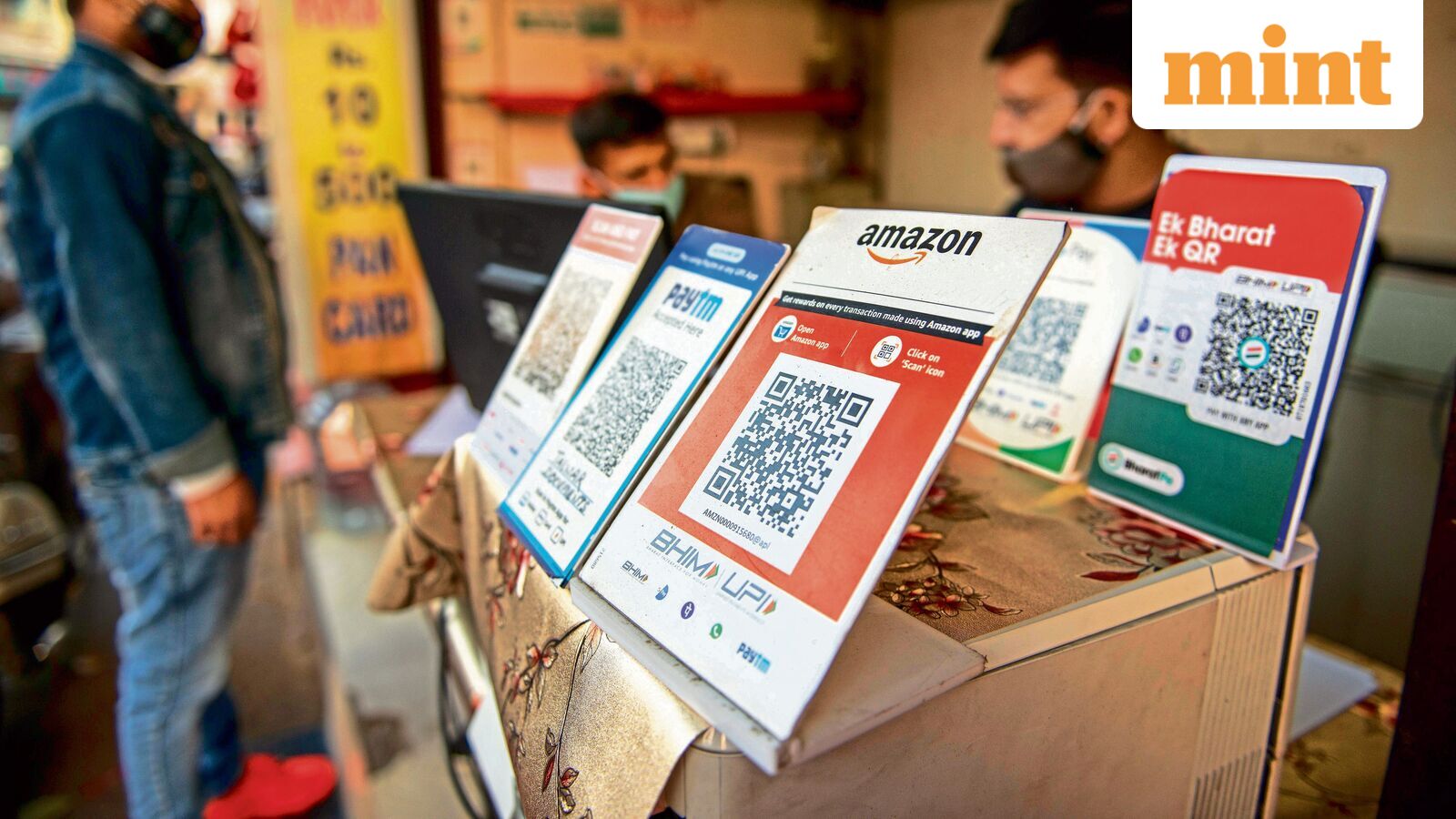
Razorpay CEO Harshil Mathur backs free UPI for consumers after PhonePe's Sameer Nigam, as a bill cleared by Lok Sabha allows MDR on business payments above ₹2,000.
Continue with
The co-founder and chief of Razorpay, Harshil Mathur, said consumers should not be charged for UPI transactions, aligning with PhonePe CEO Sameer Nigam who made a similar pledge days earlier. The comments came after the Lok Sabha passed a bill that allows the government to reintroduce merchant discount rate (MDR) charges on digital payments.
Mathur posted on X on Saturday that the principle is "Free for consumers. Protected for small merchants. Sustainable for the ecosystem." He warned that the digital payments ecosystem needs a sustainable model to support investment in reliability, security and innovation. "Because the best digital public infrastructure is only one that never stops getting better," he wrote.
Nigam had already assured users that PhonePe would not charge them for making payments. "Consumers will NOT BE CHARGED anything for making UPI payments," he wrote on X.
The Taxation and Other Laws (Amendment) Bill, 2026, passed by voice vote without discussion, amends the Payment and Settlement Systems Act, 2007, the Income-tax Act, 2025, and the Finance Act, 2026. It allows the central government to levy MDR on select electronic payment modes. Finance Minister Nirmala Sitharaman introduced the bill. The government has indicated a potential MDR of 0.25% to 0.4% on business-directed UPI transactions above ₹2,000. Person-to-person payments would remain exempt, the government said.