Priced at roughly 40x earnings and debt-free, Raspberry Pi's risk is entry timing. The analyst's recommended strategy is to buy gradually. AlphaScala examines the trade-off.
Raspberry Pi Holdings (RPBPF) trades at roughly 40 times earnings, a multiple that reflects steady revenue growth and a debt-free balance sheet. That premium leaves little room for disappointment, according to a Seeking Alpha analyst who reiterated a buy rating.
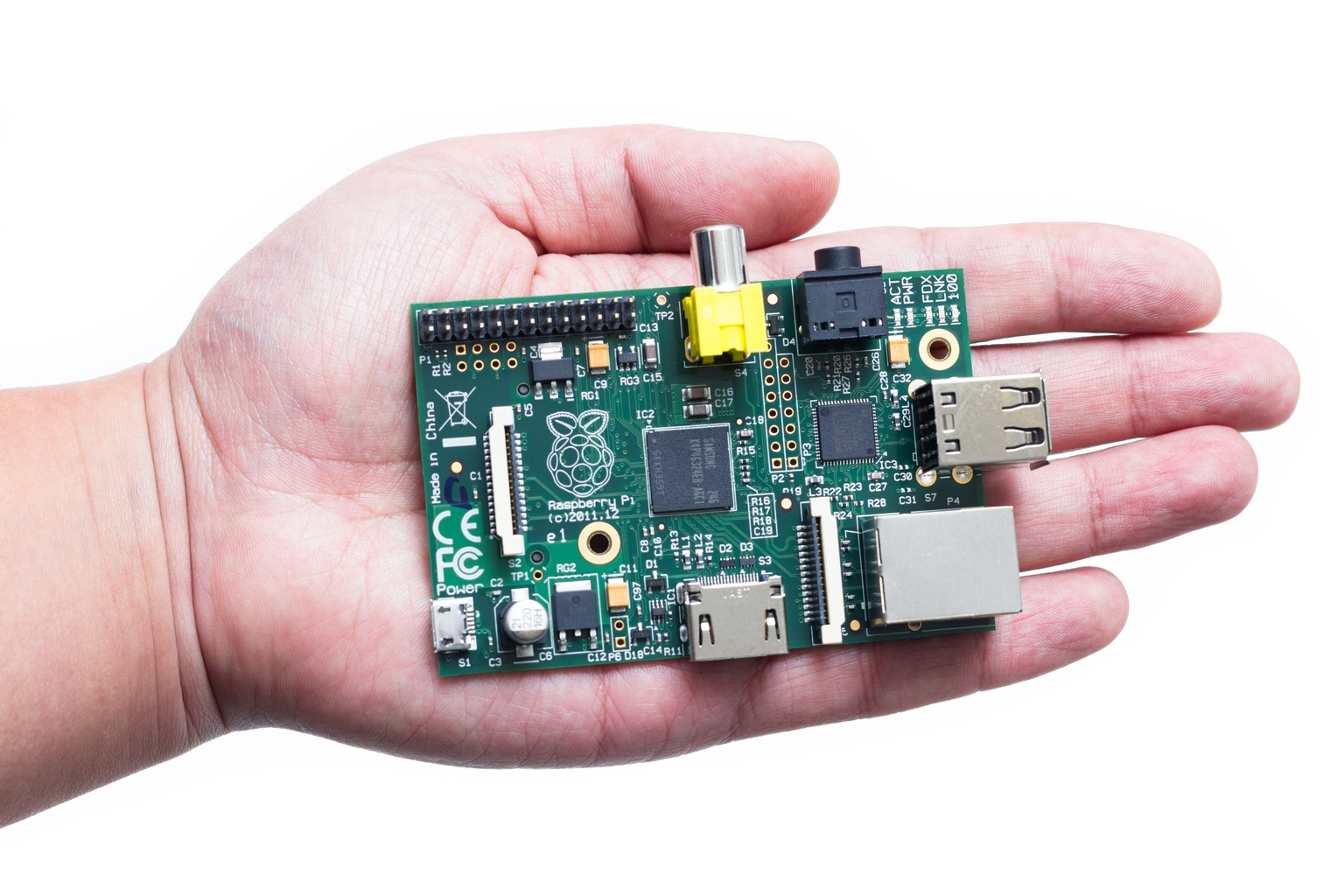
The analyst, who first covered the stock nearly two years ago, has long flagged the company's fiscal discipline. Raspberry Pi sells single-board computers used in education, industrial automation, and the growing DIY segment. Supply chain improvements and new product launches have supported consistent top-line growth, the analyst said.
The risk sits in the entry price. A P/E of about 40 does not classify the stock as cheap. The dividend yield remains modest. The analyst recommended building a position over time rather than buying a full stake upfront. That approach hedges against overpaying in a single transaction.
What could strengthen the thesis is a pullback in the share price or a significant earnings beat. Either would compress the multiple and improve the risk-reward picture. A growth disappointment or a broader tech sector sell-off would work in the opposite direction. The analyst's gradual-entry strategy addresses both outcomes.
The company's balance sheet provides a cushion. It carries zero debt and holds cash reserves. That means it can weather downturns and invest in future products without diluting shareholders. The analyst called the financial track record a key reason for the long-term rating.
Raspberry Pi's platform has become a standard in embedded computing. Schools use it for computer science curricula. Industrial users deploy it for automation and monitoring. The company's ability to maintain a low price point while improving performance has kept demand rising even after the pandemic-era shortages ended, the analyst noted.
The analyst disclosed no current position in the stock and no plans to trade within 72 hours. The article was not written for compensation. The analysis focused on the company's fundamentals and valuation, not short-term price action.
Prepared with AlphaScala research tooling and grounded in primary market data: live prices, fundamentals, SEC filings, hedge-fund holdings, and insider activity. Each story is checked against AlphaScala publishing rules before release. Educational coverage, not personalized advice.