Stocks● Neutral
Rajya Sabha to Vote on Tax, Bank Evidence Bills on Monday
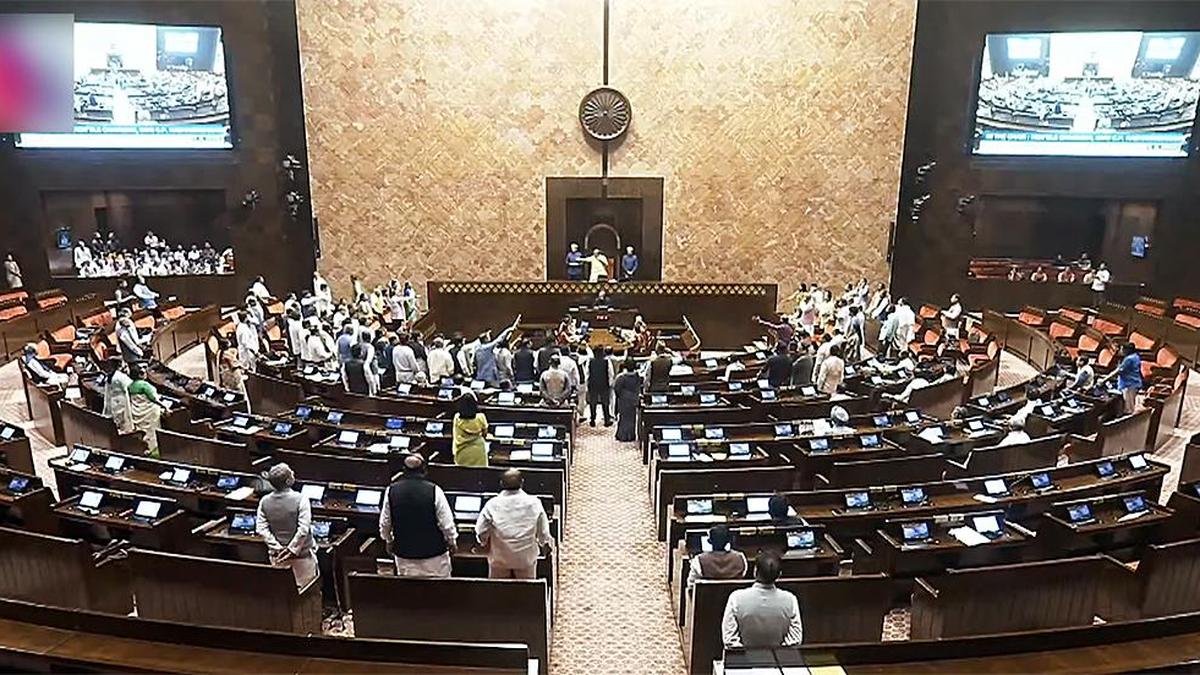
Finance Minister Nirmala Sitharaman moves two bills in the upper house Monday: one rewriting tax rules for offshore funds and electronics makers, the other modernising bank records as evidence.
Continue with
Two bills that passed the Lok Sabha last week – one rewriting tax rules for offshore funds and electronics makers, the other modernising how bank records enter court – reach the Rajya Sabha on Monday. Finance Minister Nirmala Sitharaman will move both for consideration and a vote.
The Taxation and Other Laws (Amendment) Bill, 2026 makes changes to the Payment and Settlement Systems Act, the Income-tax Act, and the Finance Act. It replaces the Income-tax (Amendment) Ordinance, 2026 that has been in force since March.
One of the central pieces is a rationalisation of conditions for eligible offshore investment funds and fund managers. The government said the goal is to simplify the compliance framework for the Income-tax Act while keeping core safeguards in place. The effect, if it passes, would be clearer tax treatment for global fund managers operating out of India.
The bill extends tax incentives for electronics manufacturing. Foreign companies supplying capital goods, equipment or tooling to Indian contract manufacturers for specified electronics get an exemption through the tax year ending March 2031, extended from the earlier sunset of 2030-31. The definition of specified electronics now includes laptops, tablets, servers, hearables, wearables and related accessories.
A separate provision introduces tax exemptions for foreign institutional investors on interest income and capital gains from government securities. The Bank for International Settlements also qualifies, subject to reporting rules.