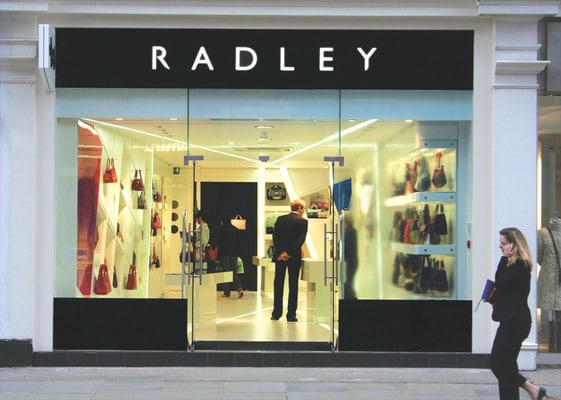
Gordon Brothers Strips the Brand From the Estate
Radley has been bought out of administration by Gordon Brothers, the distressed retail investor that also owns Poundland, in a pre-pack deal that puts the handbag brand's entire UK store estate at risk. FTI Consulting was appointed as administrator to oversee the process. The deal acquires Radley's brand and intellectual property assets. The store estate itself is not included in the transaction.
This structure is common in distressed retail sales. The buyer takes the brand, online business, and wholesale contracts while leaving the lease liabilities and store operations in administration. For Radley, that means the roughly 20 standalone shops and concessions – the physical retail footprint built over decades – now sit outside the rescue and face closure.
Why the Pre-Pack Makes Store Closures Likely
A pre-pack administration allows the buyer to cherry-pick assets without inheriting store-level obligations. Gordon Brothers gets the brand name, design library, and supply chain relationships. The stores, with their rent commitments and fixed costs, become a problem for the administrator, not the new owner.
FTI Consulting will now manage the store estate through administration. The typical outcome for retail assets excluded from a pre-pack is a phased wind-down. Creditors – landlords, trade suppliers, and lenders – rank in order of priority. Unsecured creditors rarely recover meaningful value when only IP was sold.
Radley's brand value mattered more to Gordon Brothers than its physical locations. The investor can license the brand to third-party retailers or relaunch as a direct-to-consumer online brand without the overhead of a 20-store chain. For anyone tracking high-street retail distress, this is the same playbook used in pre-pack deals for Debenhams, Monsoon, and Lipsy.
Next Catalyst: Creditor Claims and Store Portfolio Fate
The immediate decision point is the administration timeline. FTI Consulting will seek buyers for the remaining store portfolio as a going concern or proceed to close stores individually. If a buyer steps in to take on the leases – likely at significantly renegotiated rents – some sites could survive under a third-party operator or as concessions. Without a buyer, the stores will enter a controlled closure.
Landlords holding Radley leases face vacant units in shopping centres and high streets, particularly in London and southern England where the brand had its strongest presence. The loss of a mid-market anchor tenant adds to a property market already under pressure from CVAs and retailer failures.
For Gordon Brothers, the next step is integrating Radley's IP and deciding whether to operate it internally or find a licensee. The brand still carries recognition with a core demographic. The test is whether that recognition converts online without the physical estate that once supported it.
Creditor meetings in the coming weeks will determine payouts to suppliers. Unsecured creditors may recover pennies on the pound. The store-level redundancies will shift from speculation to execution as the administrator issues notices.
This story is a reminder that a