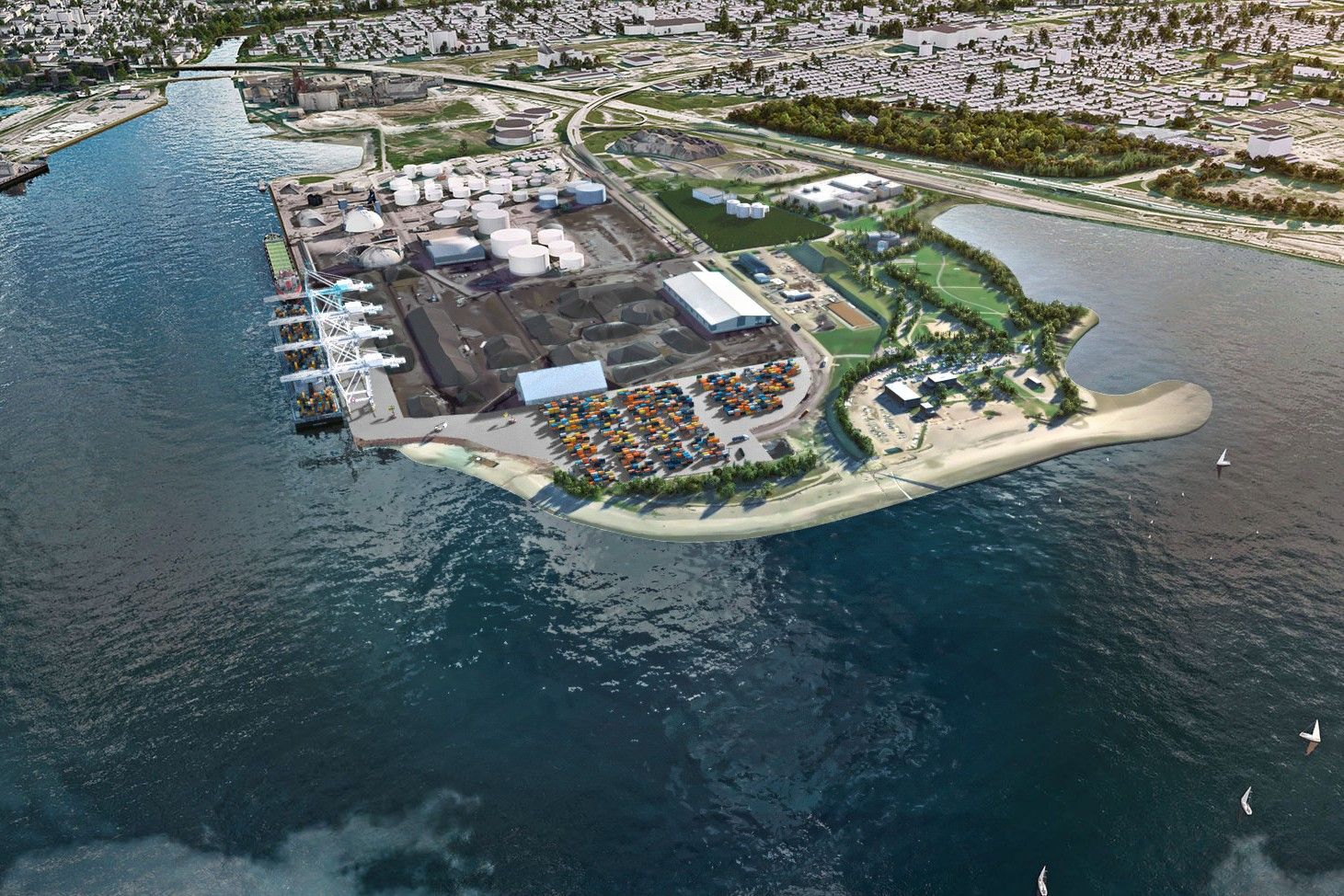
The Port of Quebec has secured authorization from Canadian customs authorities to conduct international container inspections, a move that fundamentally alters the regional logistics narrative. By establishing a dedicated inspection point for international freight, the port is positioning itself as a primary gateway for non-US trade routes. This development marks a shift in infrastructure priority as Canada seeks to diversify its supply chain dependencies away from traditional US-centric corridors.
Infrastructure Capacity and Trade Diversification
The authorization enables the QSL terminal project to function as a full-service international container hub. Historically, Canadian import volumes have relied heavily on transshipment through US ports or existing domestic terminals that lack the specific customs clearance throughput required for rapid expansion. The ability to process international containers directly in Quebec City reduces the reliance on congested southern logistics nodes. This structural change is intended to streamline the flow of goods from Europe and Asia, bypassing the bottlenecks that have historically plagued North American landside infrastructure.
This shift is part of a broader trend in Canadian Life Sciences Pivot Point: Policy Debate and Structural Growth, where national policy is increasingly focused on securing independent supply chains. The expansion of port capacity is a necessary precursor to this goal, as the current global pipeline of ultra-large container vessels requires deep-water terminals capable of high-speed processing. The Quebec project serves as a test case for whether regional ports can absorb the capacity currently straining the broader stock market analysis landscape.
Valuation and Operational Risk
The transition to a major container hub involves significant capital expenditure and operational integration. While the customs clearance is a regulatory milestone, the project must now demonstrate that its landside infrastructure can handle the increased volume without creating new chokepoints. The efficiency of the QSL terminal will be measured by its ability to maintain throughput speeds that compete with established East Coast ports. Investors are monitoring whether this infrastructure investment will translate into sustainable revenue growth or if the costs of expansion will weigh on long-term margins.
AlphaScala data currently tracks Realty Income Corporation O stock page with an Alpha Score of 51/100, reflecting a Mixed sentiment within the broader Real Estate sector. While this score is specific to O, it highlights the ongoing sensitivity of real estate and infrastructure-linked assets to shifting trade policies and capital allocation strategies. The success of the Quebec terminal will likely serve as a benchmark for how similar regional infrastructure projects are valued in the current high-cost environment.
The Next Operational Marker
The immediate focus shifts to the terminal's first phase of operational throughput. The market will look for data regarding the volume of containers processed in the first two quarters following the customs clearance. Any delays in integrating automated inspection systems or bottlenecks in rail connectivity to the terminal will be the primary indicators of project execution risk. The next concrete marker will be the release of port volume reports, which will confirm if the customs designation is successfully diverting traffic from traditional US-Canada transit routes.