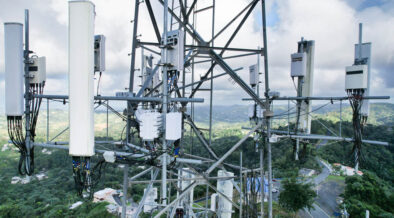
The Puerto Rico Broadband Program has officially initiated a procurement process for a $70 million telecommunications resilience project. This capital expenditure initiative aims to fortify emergency communications infrastructure across the territory. Interested firms must submit their proposals by May 29 to qualify for the contract, which focuses on hardening existing networks against environmental disruptions.
Infrastructure Hardening and Operational Continuity
The scope of this $70 million investment centers on the physical and digital reinforcement of broadband assets. By prioritizing resilience, the program seeks to mitigate the systemic risks that have historically plagued regional connectivity during severe weather events. This shift toward infrastructure hardening represents a broader trend in the Communication Services sector where service providers are increasingly tasked with maintaining uptime in geographically vulnerable regions.
For companies operating in this space, the project serves as a test case for integrating federal and local funding into long-term maintenance cycles. The requirement for emergency-ready upgrades suggests that future service contracts will likely carry higher technical standards for site durability. Firms that demonstrate an ability to manage these complex, high-stakes deployments may find themselves better positioned for subsequent infrastructure tenders in similar markets.
Sector Read-through and Regional Impact
The move by the Puerto Rico Broadband Program highlights the ongoing necessity for capital-intensive upgrades to legacy telecommunications systems. As the industry faces pressure to expand coverage while simultaneously improving reliability, the cost of maintaining a resilient network has become a primary driver of operational budgets. This project is a clear indicator that regional authorities are prioritizing the stability of broadband backbones over simple expansion metrics.
Investors monitoring the Communication Services sector should note how such localized infrastructure projects influence the broader stock market analysis. While the $70 million figure is specific to this tender, the underlying demand for resilient hardware and engineering services is a recurring theme for firms like NWSA, which operates within the broader media and communications ecosystem. The ability to secure and execute these government-backed contracts often serves as a proxy for a firm's operational efficiency and technical capability.
AlphaScala Data and Next Steps
Regarding NWSA, the stock is currently classified as Unscored within our internal tracking systems. As a player in the Communication Services sector, its exposure to infrastructure-heavy markets remains a point of interest for those tracking capital allocation trends.
The next concrete marker for this initiative is the May 29 deadline for proposal submissions. Following this date, the selection process will reveal which firms possess the technical capacity to meet the specific resilience standards required by the program. Market participants should monitor the subsequent contract awards to gauge the competitive landscape for regional infrastructure projects and to assess how these capital outlays impact the margins of the participating service providers. The progression of this project will likely set a precedent for how similar territories manage their own telecommunications resilience mandates in the coming fiscal cycles.