Stocks● Neutral
Puerto Rico Growth Hits 0.4% as Reshoring Outlook Emerges
Puerto Rico's economy grew 0.4% in FY2025, with potential for 2.3% growth in 2026 if reshoring efforts succeed. Watch for oil price risks above $100 per barrel.
Continue with
Puerto Rico’s economy expanded by 0.4% in real terms during fiscal year 2025, a performance that highlights a shift toward internal demand and infrastructure-led recovery. While the headline growth figure remains modest, the underlying data from the Planning Board’s Economic Report reveals a more complex picture of structural change. Gross domestic product at current prices rose by 2.6%, suggesting that inflationary pressures and nominal gains are playing a significant role in the island's economic profile. For those tracking regional stock market analysis, understanding the distinction between real growth and nominal expansion is critical to assessing the sustainability of this recovery.
Consumption and Construction as Primary Drivers
The primary engine of the 2025 performance was personal consumption, which climbed 3.5%. This uptick in consumer spending, paired with a 4.5% increase in construction investment, indicates that the island is benefiting from a combination of post-event rebuilding and sustained infrastructure deployment. Manufacturing remains the dominant pillar of the economy, representing 44% of total GDP. The labor market also showed signs of tightening, with total employment reaching an average of 1,160,000 people, an increase of 19,000 jobs. Labor participation hit 44.8%, marking its highest level in several years and providing a larger base for potential economic activity.
The Reshoring Thesis and Strategic Positioning
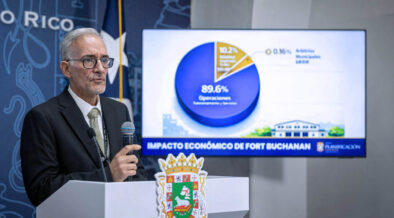
Planning Board President Héctor Morales-Martínez emphasized that the island's future growth is increasingly tied to its ability to capture manufacturing investment relocating closer to the U.S. market. This reshoring strategy relies on Puerto Rico's existing industrial base, its specific regulatory framework, and its geographic proximity to the mainland. The Planning Board has outlined a bifurcated outlook for the next two fiscal years: