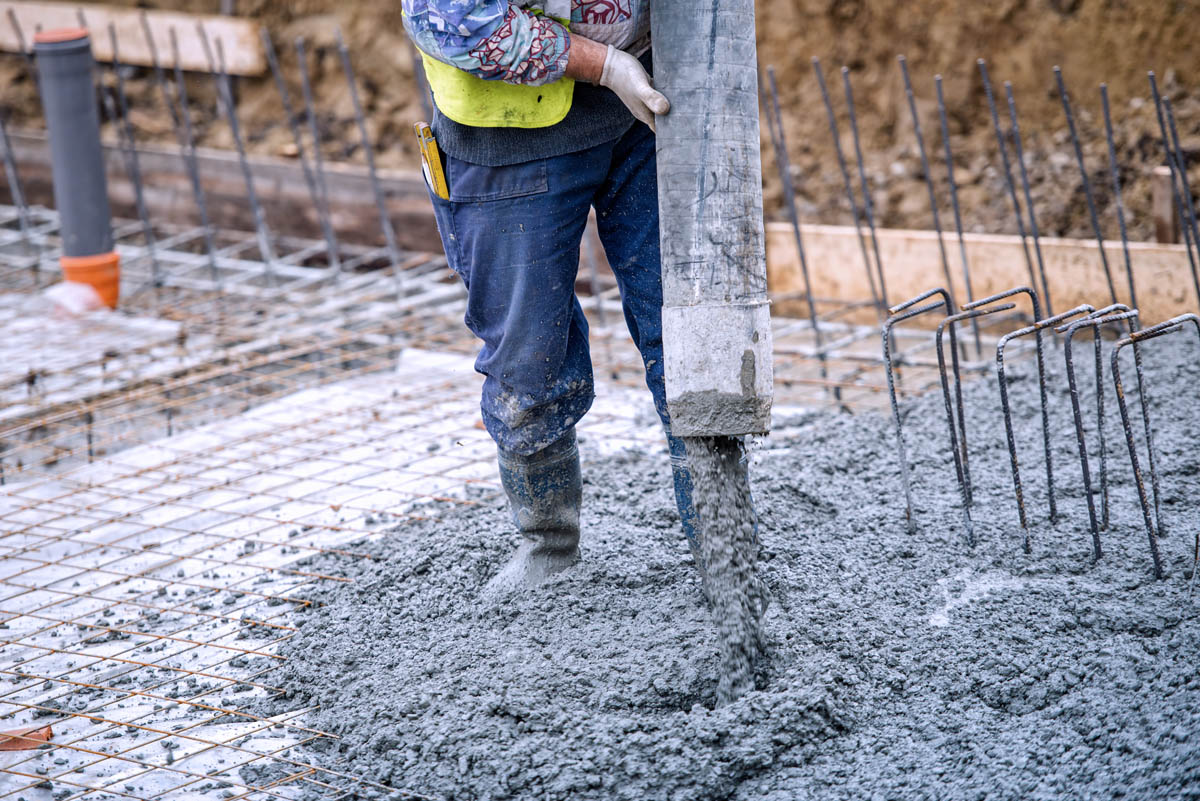
The construction sector in Puerto Rico has recorded its second consecutive monthly decline, signaling a cooling trend as persistent cost pressures weigh on project viability. This shift in momentum reflects a broader struggle within the regional economy, where elevated input prices and heightened uncertainty are forcing developers to reassess timelines and capital allocation. The contraction serves as a primary indicator of how inflationary headwinds are tempering infrastructure and private development activity across the island.
Structural Constraints and Input Costs
The decline in construction activity is directly tied to the rising cost of essential materials and labor. When project budgets are finalized under previous pricing assumptions, the reality of current market costs often renders those plans unfeasible. Developers are facing a difficult environment where the cost of capital remains high, and the volatility of supply chains prevents long-term cost certainty. This environment forces a pause in new project starts, as firms prioritize the completion of existing obligations over the initiation of new, high-risk ventures.
Beyond material costs, the sector is grappling with a lack of clarity regarding the pipeline of public works. The reliance on federal funding and local government initiatives means that any delay in administrative approvals or fund disbursement ripples through the entire construction ecosystem. As these bottlenecks persist, the sector loses the momentum required to sustain growth, leading to the current dip in output.
Sector Read-through and Regional Outlook
The slowdown in construction is not an isolated event but a bellwether for the broader regional economy. Because construction is a labor-intensive industry with significant multiplier effects, a sustained decline suggests potential cooling in related sectors such as manufacturing, logistics, and retail. If the current trend continues, the reduction in job site activity will likely lead to a decrease in demand for heavy equipment and specialized services.
AlphaScala data currently tracks several companies across various sectors with mixed performance profiles, including AS stock page at 47/100, ON stock page at 45/100, and A stock page at 55/100. While these firms operate in different industries, the underlying theme of cost management and operational efficiency remains a shared challenge for market participants navigating current economic conditions. Investors should monitor how these firms manage their own capital expenditures in response to similar inflationary pressures.
The Path to Stabilization
The next concrete marker for the sector will be the upcoming quarterly data on building permits and public contract awards. A stabilization in these figures would suggest that the market has adjusted to the new cost baseline. Conversely, a third consecutive month of decline would indicate that the sector is entering a deeper period of stagnation. The ability of developers to secure more favorable financing terms or find efficiencies in material procurement will determine the speed of the eventual recovery. Market participants will be looking for evidence that project pipelines are clearing, which would provide the necessary confidence to resume large-scale development activity. For more in-depth stock market analysis, stakeholders should keep a close watch on regional policy updates regarding infrastructure spending.