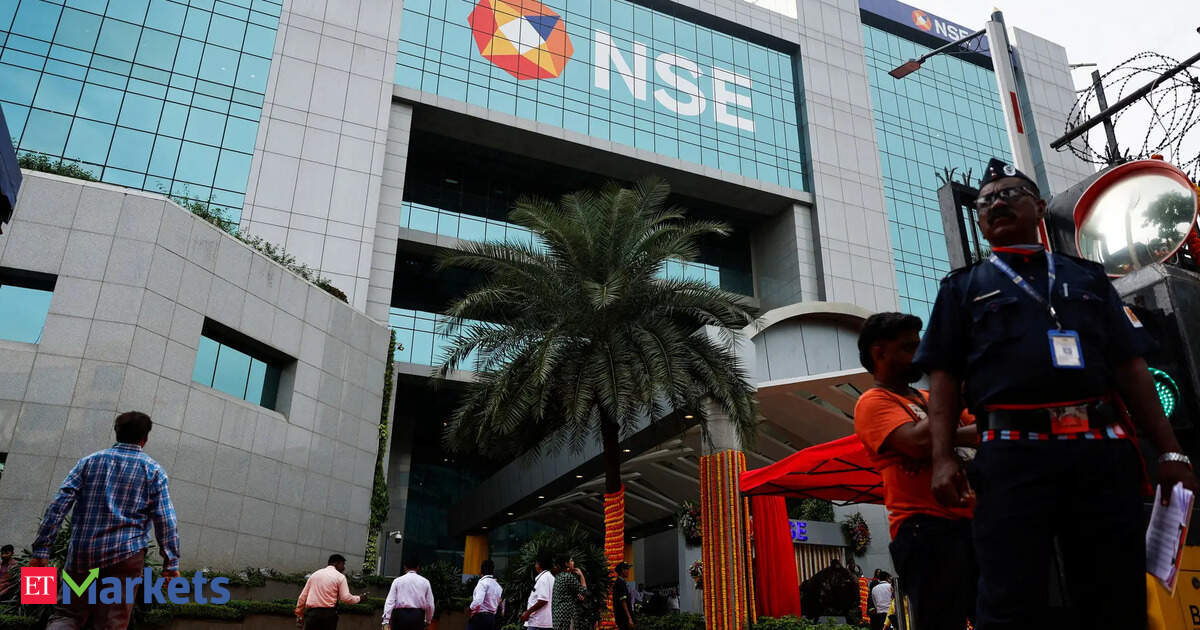
Unlisted market deals suggest NSE IPO may price at a premium. State-run banks and insurers that bought early could see large paper gains when the exchange lists.
The National Stock Exchange's initial public offering is drawing fresh attention. Transactions in the unlisted shares market hint at a potential valuation well above what early investors paid.
According to a report from ETMarkets, state-run banks and insurance companies that bought NSE shares in earlier rounds are sitting on large paper gains. Some bought years ago. The unlisted market has been pricing NSE shares at levels that imply a valuation above the last formal funding round. That gap between the grey market price and the cost basis for these long-term holders is the source of the IPO excitement.
NSE dominates Indian equity derivatives and cash equities, processing over 90% of exchange-traded derivatives volume. That near-monopoly position makes its shares valuable for investors seeking steady fee income. Early investors include state-run banks and insurers that participated in earlier funding rounds. They are now seeing substantial returns on their initial outlay, based on the current unlisted market pricing.
The unlisted market has seen increased activity in recent months. Deals are being struck at prices that offer a window into the potential valuation. The gap between these prices and what early investors paid years ago is substantial.
The report did not specify exact pricing. The Securities and Exchange Board of India still needs to give final approval. The exchange has not commented on timing.
A successful NSE float could lift valuations for the Bombay Stock Exchange and other exchange-linked entities. BSE already trades publicly, so its valuation might get a benchmark update. The IPO would also give retail investors direct exposure to the dominant exchange's steady fee income from equity derivatives and cash equities trading.
The IPO could reignite interest in BSE shares, which have traded at a discount to global peers. A strong NSE debut might narrow that gap. For investors watching the unlisted market, the NSE IPO represents a rare chance to get a piece of India's dominant exchange. The stock is closely held, with major shareholders including state-run institutions and global banks. The IPO will open up a portion of that tightly held equity to the public.
The IPO structure has not been disclosed. It could include an offer for sale by existing shareholders and a fresh issue of shares to raise capital. The exchange filed its draft red herring prospectus with SEBI in 2017. Regulatory hurdles delayed the listing. Changes in ownership norms for stock exchanges and the introduction of new regulations pushed the timeline. Now, with most issues resolved, the IPO is expected to proceed.
For early investors, the hard part is done. They already hold shares. The real question is how much of the discount to book value the IPO leaves on the table. The unlisted market will continue to be the primary gauge of where the deal prices until the final band is set.
The final share price depends on SEBI's approval timeline and the pricing band the exchange sets. No date has been announced for the issue.
Prepared with AlphaScala editorial tooling from the source reporting linked above. Indexable analysis may include a cited Alpha Score value. Publishing checks screen each story before release. Educational coverage, not personalized advice.