Stocks● Neutral
Proposed UPI MDR Could Shift Fintech Focus to Merchants
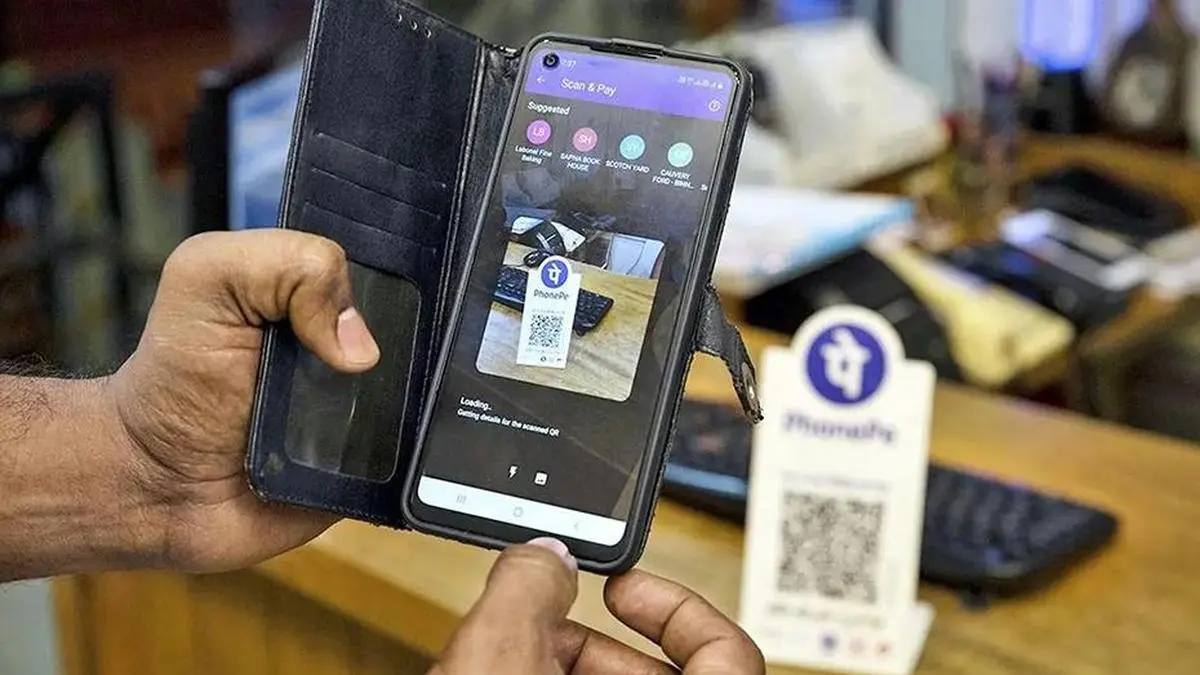
India's proposed UPI merchant discount rate of 25-30 bps on high-value transactions could generate ₹5,000-13,000 crore annually for payment firms, shifting focus from consumer acquisition to merchant servicing.
Continue with
India's digital payments ecosystem is heading toward a structural change that fintech companies have wanted for years: a fee on UPI transactions.
The government introduced a Bill in Parliament on August 3 to amend the law that had barred banks and payment firms from charging merchant discount rate on specified digital payments. The move opens the door for MDR to return in a limited form, and industry executives said the proposal is being welcomed as a step toward making the system financially sustainable.
MDR is the commission merchants pay to banks and payment processors for handling digital transactions. Consumers do not bear the cost. Debit and credit card transactions already carry MDR – roughly 80-90 basis points for debit cards and up to 250 basis points for credit cards. UPI merchant transactions have been MDR-free since January 2020.
According to people familiar with the discussions, the proposed MDR on UPI is likely to land in the 25-30 basis point range. It may apply only to high-value merchant transactions, probably those above ₹2,000, and to large commercial entities. The thresholds and exemptions are still being finalised, with the government expected to make the final call.
“Till now, fintechs were largely focused on the consumer side of UPI, but with this, the focus shifts to merchants and the kind of merchant base one has,” said the founder of a fintech start-up. Companies with deeper merchant networks stand to benefit the most, the founder added.
Another Bengaluru-based fintech founder described the proposal as an encouraging first step. “What I understand is that it will take some time, but it is a good start,” the founder said.
The push gathered steam after RBI Governor Sanjay Malhotra said following the Monetary Policy Committee meeting that India needs to keep investing in its digital payments infrastructure, whether through MDR or other mechanisms. The RBI is expected to frame the operational rules, but industry executives said the decision to levy MDR is ultimately a policy matter for the Centre.