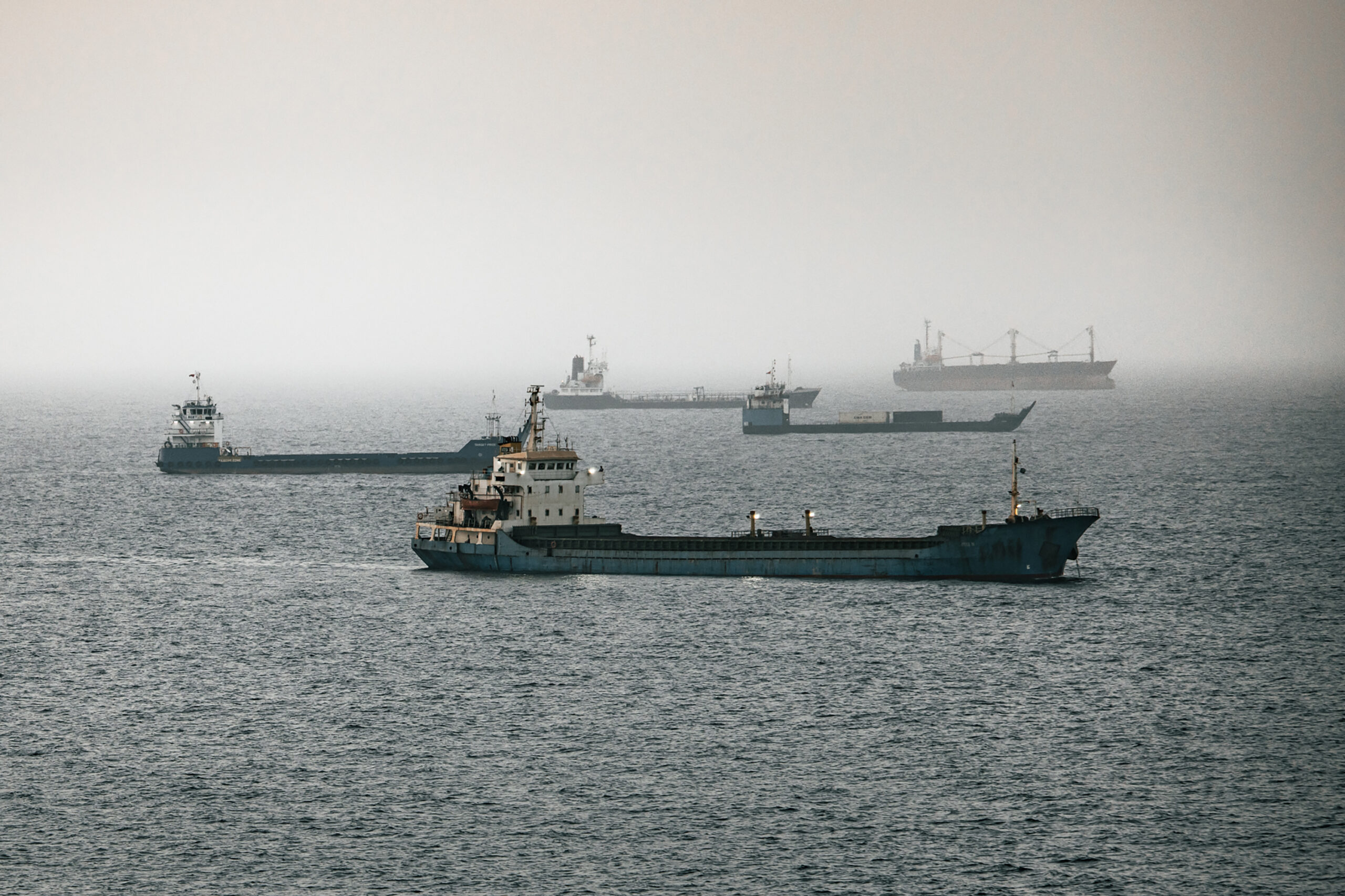
A proposed Iran-Oman agreement that would give Tehran control over ships entering the Gulf through the Strait of Hormuz is not workable under current conditions, four shipping and insurance sources said. U.S. sanctions on the Persian Gulf Strait Authority and a new clause from Lloyd's Market Association that terminates insurance cover for any vessel paying a toll make compliance impossible, they said.
The strait, which carried about a fifth of world oil supplies before the war, has been the central obstacle in efforts to end the conflict that began with U.S.-Israeli airstrikes in late February. Under the latest proposal, Iran would have the right to intervene with inbound traffic. Outbound ships would follow a route between Iran and Oman, with exit clearance granted through Oman after Tehran is notified, a senior Iranian source told Reuters this week.
Shipping associations representing the world's largest fleets sent an open letter to the UN's International Maritime Organization this week calling any compulsory charge a "toll in all but name." The letter said such fees would "establish a precedent that could undermine the internationally recognized legal framework governing straits used for international navigation and transit passage." The IMO declined to comment on the proposals. In July its governing council said countries around the strait should guarantee "non-discriminatory and unimpeded right of transit passage of all ships" through the existing traffic separation scheme, adopted in 1968, and that passage should remain free of any tolls.
Iran is seeking fees of 5% to 7% of the cargo value from ships using the strait, according to the senior Iranian official. Oman is discussing fees of about 3%. Washington wants no fees at all.
The U.S. Treasury has prohibited U.S. persons from receiving services from Iran's government related to a "guarantee of safe passage." The Persian Gulf Strait Authority, which Iran set up in May to operate the waterway, is under U.S. sanctions. Any payment to the authority could lead to asset freezes, the industry sources said. They declined to be identified due to the sensitivity of the matter.
A further complication arrived in late July when the Lloyd's Market Association introduced a clause for war underwriters that terminates insurance cover for a vessel if it has paid a transit fee, toll or other charge for passage through the Strait of Hormuz. Ships already pay an additional war risk premium for damage during transit. Under the clause, insurers have no liability to indemnify any such payment, and where a payment has been made, they are discharged from obligations for that vessel, the LMA said in July.
The situation creates a "catch 22" for shipping companies, one insurance industry source said. The LMA wording prohibits insurers from covering shipowners who pay, while Iran aims to charge a toll.