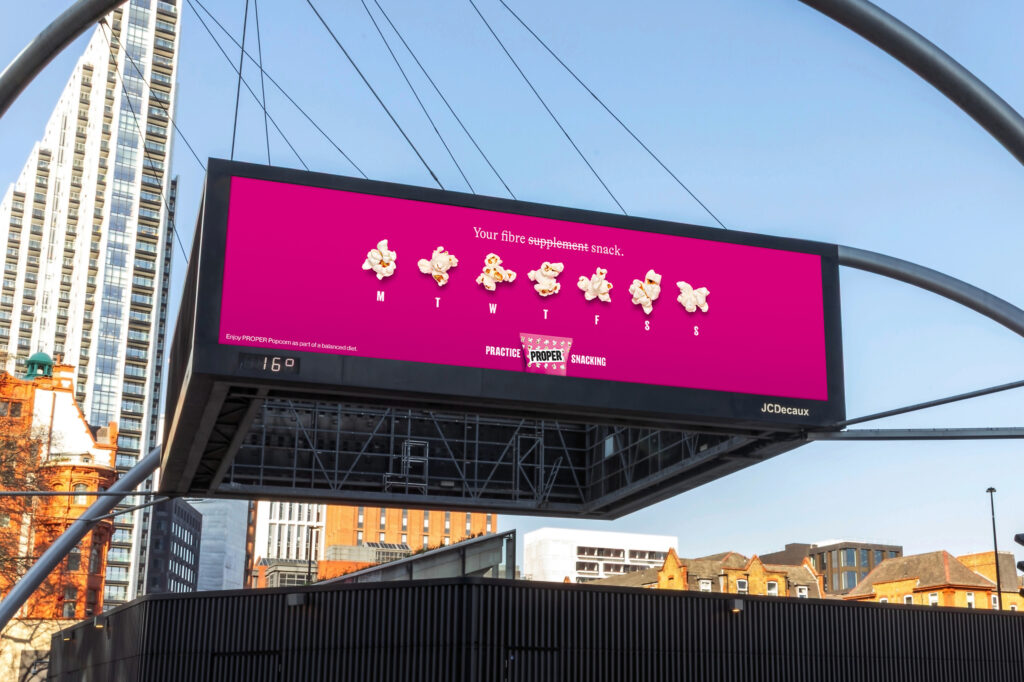
PROPER has initiated its most significant marketing campaign to date, centering the brand’s expansion strategy on the nutritional profile of its snack portfolio. By emphasizing fibre content across out-of-home, digital, experiential, and retail channels, the company is attempting to pivot consumer perception from impulse-driven indulgence toward functional snacking. This shift represents a broader effort to secure shelf space and visibility within a competitive UK snack market that is increasingly sensitive to health-conscious purchasing trends.
Strategic Retail Expansion and Product Positioning
The campaign serves as a vehicle for a full-range retail push, aiming to solidify the brand’s presence in major grocery outlets. By leveraging a multi-channel approach that includes editorial and social media integration, PROPER is attempting to bridge the gap between digital brand awareness and physical purchase behavior. This strategy relies on the assumption that highlighting specific nutritional benefits will drive repeat traffic in a sector where consumer loyalty is often fragmented. The focus on fibre is a calculated move to differentiate the brand from traditional competitors that have historically relied on flavor profiles alone to drive volume.
This move mirrors broader shifts seen in the consumer goods sector, where companies are increasingly forced to justify shelf space through tangible health claims. As noted in recent analysis regarding UK Grocery Spending Stagnates as Consumer Sentiment Tightens, the current retail environment demands that brands provide clear value propositions to maintain volume growth. PROPER is attempting to insulate itself from the volatility of discretionary spending by positioning its products as a necessary component of a modern, health-conscious diet.
Sector Read-through and Competitive Dynamics
The aggressive nature of this campaign suggests that PROPER is prioritizing market share acquisition over short-term margin optimization. By investing heavily in experiential and OOH assets, the company is signaling a long-term commitment to brand equity. This approach creates a clear contrast with legacy snack manufacturers that may be scaling back marketing spend to preserve cash flow in a high-interest rate environment. For investors monitoring the consumer cyclical space, such as those tracking HAS stock page, the success of this campaign will serve as a bellwether for how well mid-tier brands can navigate rising customer acquisition costs.
AlphaScala data currently lists HAS (Hasbro, Inc.) as Unscored within the Consumer Cyclical sector. The performance of companies like PROPER provides essential context for understanding how consumer discretionary spending is being reallocated toward smaller, agile players that can pivot their marketing narratives faster than established conglomerates. The next concrete marker for this strategy will be the subsequent retail audit data, which will reveal whether the increased marketing spend successfully translates into higher velocity on the shelf or if it merely increases the brand's overhead without a proportional lift in sales volume. Monitoring the consistency of this messaging across different retail tiers will be the primary indicator of whether the fibre-focused strategy gains sustained traction.