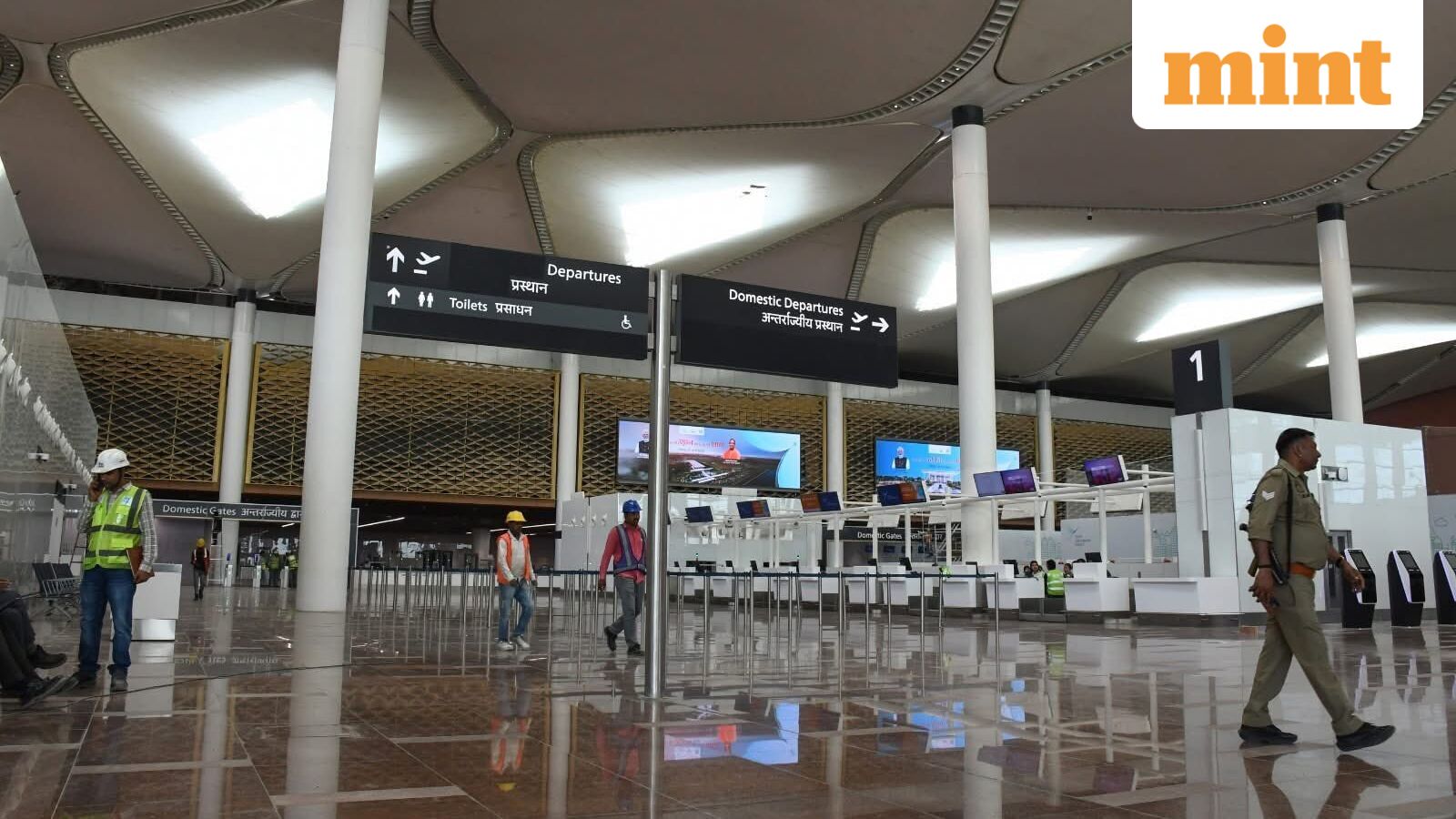
Private airport operators are signaling mounting financial pressure following a recent reduction in landing and parking fees. The industry association representing these operators has formally requested a pause in revenue-sharing obligations, citing significant strain on operational cash flows. This development highlights the friction between regulatory efforts to lower transit costs and the capital-intensive nature of infrastructure management.
Transmission to Operational Liquidity
The reduction in landing and parking fees directly impacts the top-line revenue of airport operators who rely on these fixed charges to service debt and fund ongoing maintenance. Because these facilities operate with high fixed costs, even minor adjustments to tariff structures can lead to disproportionate impacts on free cash flow. The request for a moratorium on revenue sharing suggests that operators are prioritizing liquidity preservation to avoid potential breaches of debt covenants or delays in critical infrastructure projects.
This situation creates a complex feedback loop for regulators. While lower fees are intended to stimulate passenger traffic and reduce the cost of air travel, the resulting financial distress for operators may compromise the quality of service or the pace of necessary capacity expansions. The industry is now pointing to these cash-flow constraints as a primary risk factor for future investment cycles.
Broader Infrastructure and Credit Implications
Infrastructure assets are typically valued based on long-term, predictable cash flows. Any deviation from expected revenue models, particularly those driven by regulatory intervention, forces a reassessment of the risk premium associated with the sector. If the request for a revenue-sharing pause is denied, operators may be forced to seek alternative financing or defer capital expenditure, which could ripple through the broader transport supply chain.
This sector-specific tension mirrors broader macroeconomic challenges where policy decisions intended to manage consumer costs often collide with the financial stability of capital-heavy industries. As seen in other sectors like utilities and energy, such as those discussed in the Tata Power Capital Expenditure Signals Shift in Renewable Supply Chain Strategy, the ability to pass through costs or maintain stable margins is essential for sustaining long-term growth.
AlphaScala data currently tracks various consumer and communication entities, including HAS and NWSA, both of which remain Unscored in our current framework. While these firms operate in different sectors, they represent the broader market sensitivity to shifts in consumer spending and regulatory environments that define current market analysis.
The next concrete marker for this situation will be the regulatory response to the request for a revenue-sharing pause. Market participants should monitor whether authorities grant temporary relief or maintain the current tariff structure, as this will determine the immediate trajectory of credit risk for private airport operators and the potential for reduced capital investment in regional aviation infrastructure.