Premier Energies fires up 5.6 GW solar plant, adds storage line
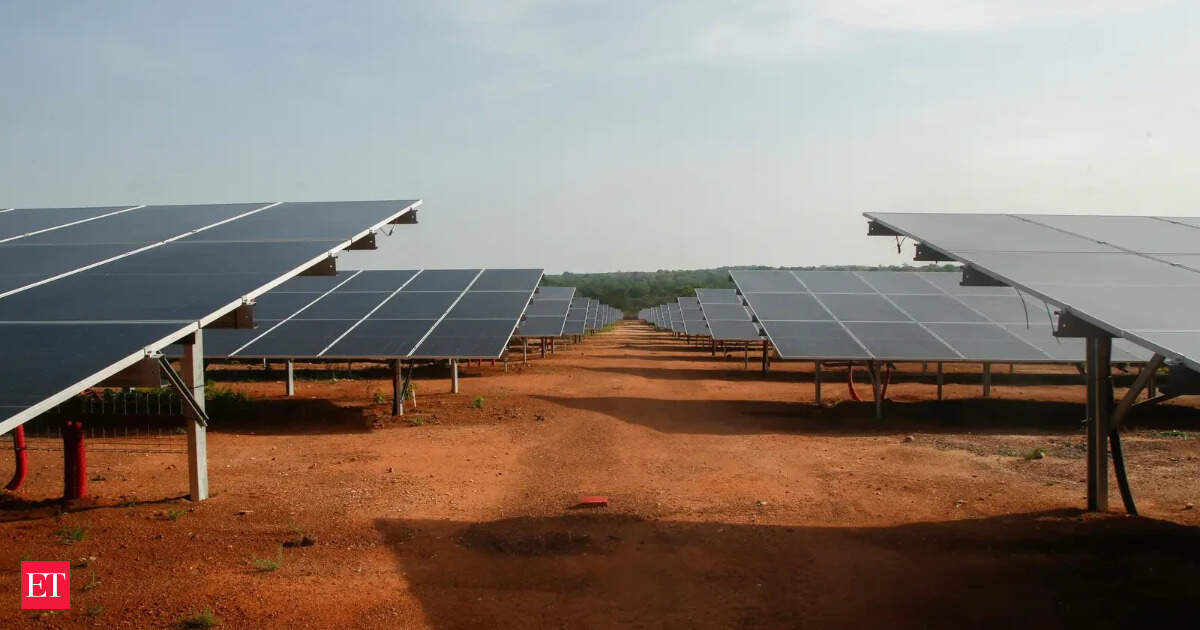
Premier Energies doubled its module capacity to 11.1 GW with a new Telangana plant and added a 6 GWh battery storage line, positioning for India's solar scale-up.
Premier Energies commissioned a 5.6 GW solar module plant in Telangana and started construction on a 6 GWh battery storage system, the company said. The new facility lifts the company's total module manufacturing capacity to 11.1 GW, double its previous level.
The expansion is part of a push toward integrated solar manufacturing in India. Premier Energies said it is investing to cover cells, modules, and now battery storage. The 6 GWh storage facility, still under construction, marks the company's entry into energy storage – a segment critical for grid integration of solar power.
The plant adds to a wave of domestic module capacity announcements this year. India's clean-energy supply chain faces strain from rising demand, as detailed in AlphaScala's recent market analysis. The government's target of 280 GW solar capacity by 2030 requires a massive scale-up in domestic production. Premier Energies' new capacity helps close that gap.
For the broader solar manufacturing sector, the capacity addition pressures smaller players who lack scale. Larger domestic manufacturers have also announced expansions. Premier Energies' move into battery storage differentiates its strategy. The company now offers both solar modules and storage, a combination that could appeal to developers looking for single-source suppliers.
The Telangana plant is expected to reach full production by the end of the fiscal year, the company said. The battery storage facility is scheduled for completion in 2026.
Premier Energies is among the beneficiaries of the government's production-linked incentive scheme for solar manufacturing. The scheme offers financial incentives for domestic production of solar modules and cells. Premier Energies has won allocations in earlier rounds. The company's cell manufacturing lines are expected to supply the new module plant, reducing reliance on imported cells. Vertical integration of this kind buffers against volatile cell prices, a risk that has squeezed margins for module assemblers in recent years.
India's solar module imports from China and Southeast Asia have remained high despite tariff barriers. Domestic capacity additions like Premier Energies' plant are intended to substitute imports over time, though the pace depends on cost competitiveness and technology parity. The new plant uses monocrystalline PERC technology, the current industry standard for utility-scale projects.
The battery storage component adds a new dimension. India's grid-scale storage market is still nascent. The government has mandated storage for new solar and wind projects in certain states. Premier Energies' early entry could give it a first-mover advantage in supplying integrated solar-plus-storage solutions to developers.
For investors tracking the sector, the key question is how quickly Premier Energies can ramp up production and whether it can maintain margins as competition intensifies. The company's stock has gained on the news, reflecting optimism about its integrated strategy. The real test will be execution: meeting production timelines, controlling costs, and securing offtake agreements.
The Telangana plant is located in a special economic zone, which offers tax benefits and streamlined approvals. The company said it plans to export a portion of the modules to markets in the Middle East and Africa, where demand for solar is growing rapidly. That export strategy could diversify revenue and reduce dependence on the domestic market.
Drafted by a large language model from the source reporting linked above, then screened by automated publishing checks. It is not read by a journalist before publication. Some articles cite our Alpha Score. Verify prices and figures against the original source. Educational coverage, not personalized advice.