India's 300 GW peak demand target strains clean-energy supply chain
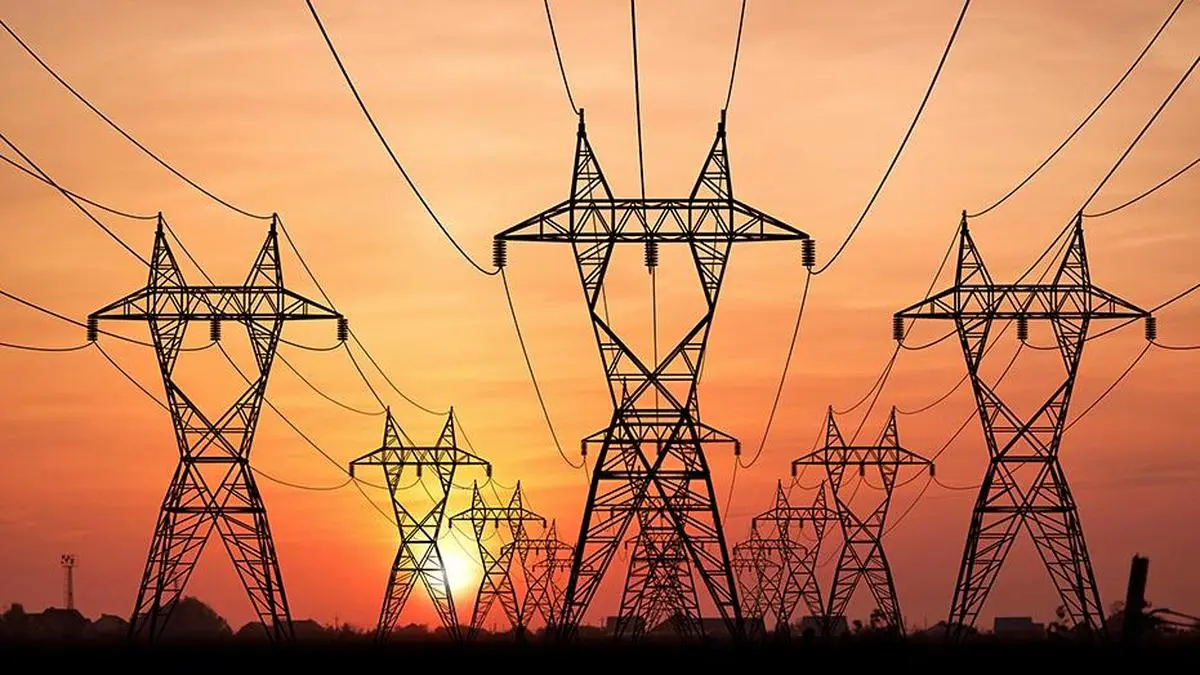
Power Minister Manohar Lal said India must prepare for 300 GW peak demand next year, urging faster domestic clean-energy manufacturing even if it raises costs.
India will need to prepare for peak power demand of about 300 gigawatts next year, Power Minister Manohar Lal said late on Wednesday, while urging faster development of domestic clean-energy supply chains.
India has already met a record peak demand of about 271 gigawatts. Demand could rise to 276-280 GW this year before approaching 300 GW next year, Lal said at India Energy Storage Week.
“As data centres expand, AI adoption increases and EV usage grows, demand will continue to rise every year,” he said. Preparations would be needed for demand of around 300 GW next year.
The minister said the expected increase in electricity consumption would require greater investment in energy storage and grid infrastructure as India continues to expand renewable energy capacity.
He also called for faster use of local equipment in clean-energy projects. India should reduce import dependence even if domestic manufacturing initially raised costs, Lal said.
India still imports a range of components used in solar and energy-storage projects, including cells and batteries.
“Nothing is bigger than the country,” Lal said, citing the need to conserve foreign exchange and strengthen energy security amid geopolitical uncertainty.
Lal’s comments come as India seeks to strengthen domestic manufacturing across renewable energy and energy-storage supply chains, while reducing reliance on overseas suppliers.
The minister also linked the push for self-reliance to growing geopolitical uncertainty, citing recent tensions in West Asia and volatility in global energy markets.
“Whether it is power, petroleum or gas, we need to develop our own capabilities within the country,” Lal said.
India has introduced a series of measures in recent years to encourage domestic manufacturing and expand renewable energy capacity.
For traders tracking the energy transition, the 300 GW target tests whether India's solar and battery supply chains can scale fast enough to meet demand without importing Chinese cells and batteries. The minister's call for local equipment, even at higher cost, signals that import substitution is now a policy priority, not just a talking point. That shifts the risk calculus for companies with exposure to imported components versus those with domestic manufacturing capacity.
The next concrete marker is the pace of storage tenders. India's grid needs battery storage to handle solar's intermittency at 300 GW peak load. If tenders accelerate in the next two quarters, domestic battery assemblers benefit. If they stall, the import bill for cells rises.
Lal did not specify a timeline for the domestic manufacturing cost premium to narrow.
Drafted by a large language model from the source reporting linked above, then screened by automated publishing checks. It is not read by a journalist before publication. Some articles cite our Alpha Score. Verify prices and figures against the original source. Educational coverage, not personalized advice.