Stocks● Neutral
Prediction Markets Face 16-State Assault as CFTC Sues Minnesota
CFTC sued Minnesota over first state ban on prediction markets. Sixteen states now involved in legal proceedings. Supreme Court likely to decide the regulatory war.
Continue with
The Commodity Futures Trading Commission sued Minnesota on Tuesday after Governor Tim Walz signed a law banning prediction markets – the first state-level ban in the country. The lawsuit adds a sixth state to the CFTC’s legal campaign and deepens a regulatory conflict that now involves sixteen states. For traders and platforms in the event-contract space, the outcome will determine whether federal or state law governs a market growing at a relentless pace.
The simple read is a states' rights fight over gambling regulation. The better market read is a battle for control of a multi-billion-dollar derivatives market that the CFTC insists falls under its exclusive jurisdiction. The agency has sued six states to defend what it calls its “exclusive jurisdiction” over event contracts. It won a preliminary injunction in Arizona to stop that state from pursuing criminal charges against Kalshi, the largest domestic prediction market platform. The other five cases remain pending with no initial rulings.
The Minnesota Trigger: First State Ban on Prediction Markets
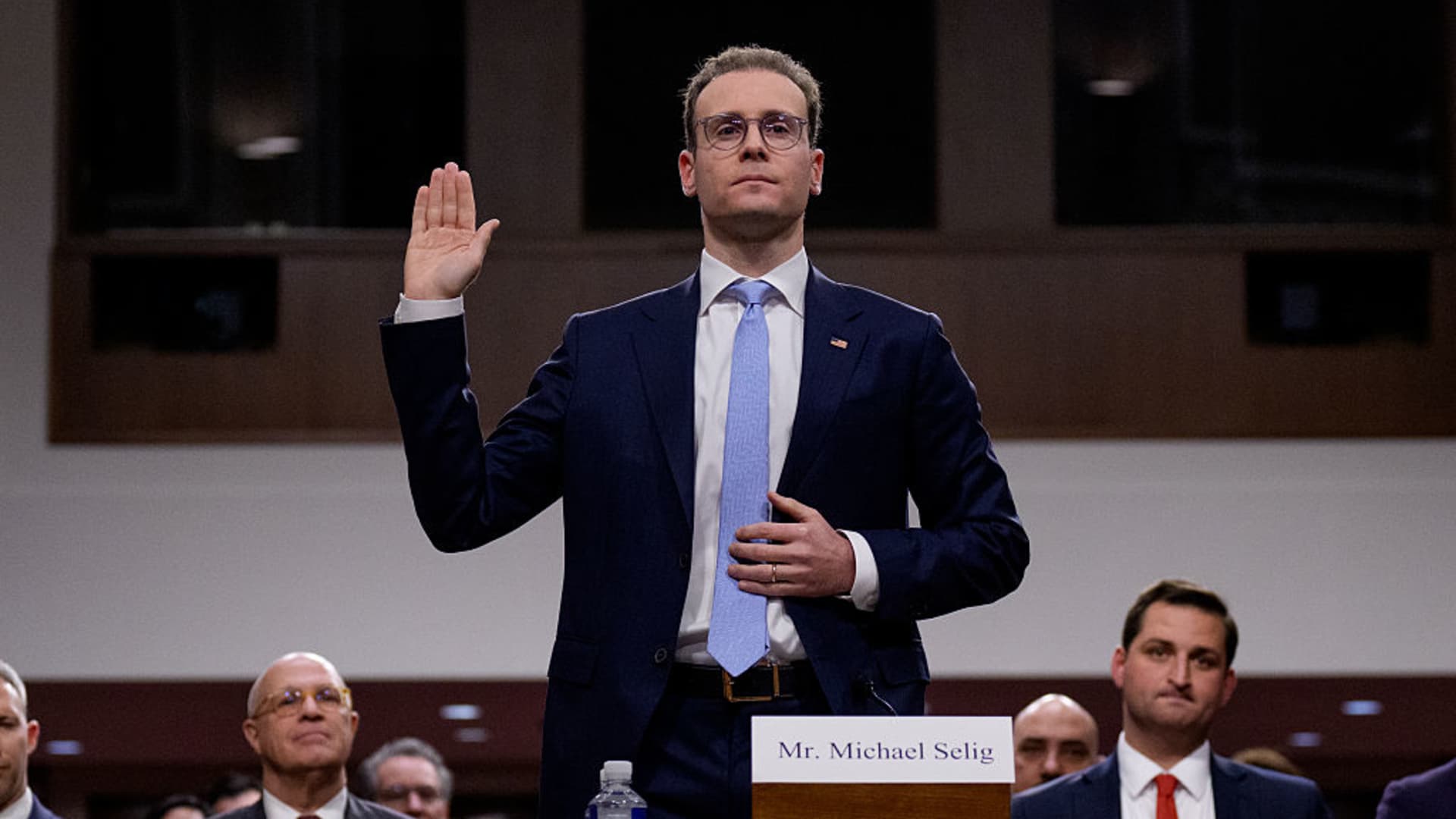
Minnesota’s law was passed as part of a broader online safety package. Both the state House and Senate approved it by wide majorities, despite those chambers being divided narrowly by party. The CFTC responded within days. Chair Michael Selig, who is the only member on the commission currently, has been clear since his Senate confirmation in December about his view on state interference.
“States cannot circumvent the clear directive of Congress,” Selig said in an April press release announcing a lawsuit against Wisconsin. “Our message to Wisconsin is the same as to New York, Arizona, and others: if you interfere with the operation of federal law in regulating financial markets, we will sue you.”
Jeff Le Riche, a former chief trial attorney at the CFTC and now a partner at Husch Blackwell, called the tactic unusual. “The suing of states is unusual. That’s definitely a different tactic.”
CFTC’s Unprecedented Lawsuit Strategy Against States
The six states the CFTC has sued so far – Wisconsin, New York, Connecticut, Illinois, Arizona, and Minnesota – all have Democratic attorneys general. The only action taken against a state with a Republican attorney general is in Ohio, where the agency filed an amicus brief defending its sole jurisdiction claim.
Practical rule: The partisan pattern raises a question about selective enforcement. The CFTC spokesperson denied any basis beyond defending its regulatory power. “These states sought to regulate or prosecute lawful, CFTC-regulated exchanges that were operating fully in accordance with federal statutes, requiring the CFTC to intervene,” the spokesperson said.
Connecticut Attorney General William Tong pushed back. “I cannot answer for the Trump Administration as to why they would have chosen to sue only certain states with Democratic leadership, bypassing others who have taken similar enforcement postures,” he said in a statement.
Sixteen states in play: bipartisan enforcement across party lines
Beyond the six sued, ten other states are involved in legal proceedings against prediction market platforms. Eleven of the sixteen states have Democratic attorneys general; five have Republican ones. That bipartisan spread undercuts the argument that this is a purely partisan fight.
“I wouldn’t say that it’s that surprising just because of the state versus federal issues,” said Jon Ammons, a partner at Reed Smith who focuses on commodities, derivatives, and digital assets. “I think that states have this idea that they are the ones who regulate gaming and things that look like gaming.”