Precious Metals Outperform Equities in 2026: A Rotation
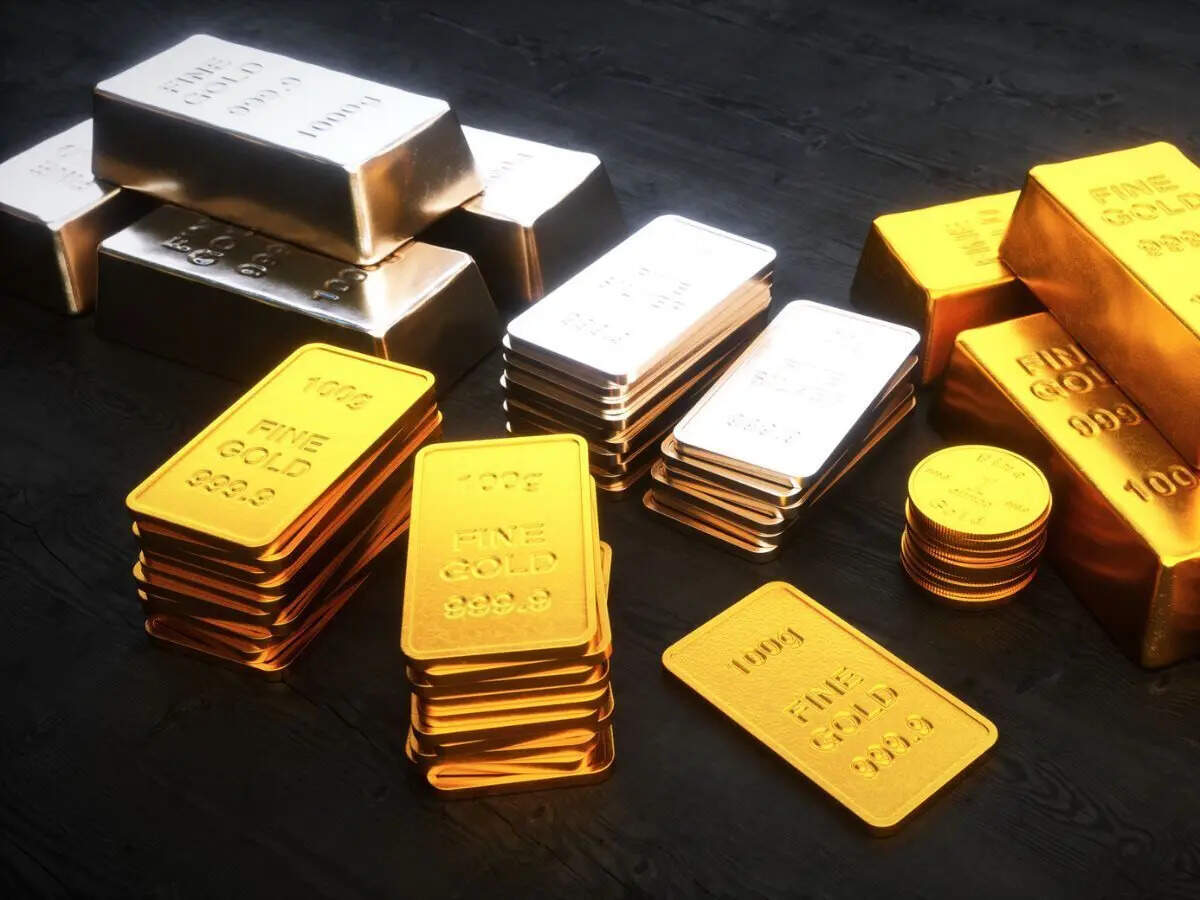
Precious metals outperform equities in 2026 as safe-haven demand rises. The TrendMap shows a rotation that changes asset allocation priorities.
The 2026 edition of the TrendMap performance tracker delivers a clear ranking: precious metals sit at the top, equities lag behind. Gold and silver have outpaced every major equity index so far this year. The divergence is not a one-month anomaly. It reflects a sustained shift in investor preference toward stores of value over earnings-dependent assets.
What the 2026 Performance Tracker Shows
The TrendMap ranks annual returns across equity, debt, precious metals, and real estate segments. In 2026, precious metals occupy the highest position. Equities, while still positive over a 10-year horizon, have posted a weak year. The message is that no single asset class dominates every cycle. Diversification remains the only consistent strategy.
For a broader view of how commodity markets are moving, see our commodities analysis.
Why Precious Metals Are Outperforming Equities
The simple read is that investors are rotating into safe-haven assets. The better read involves two mechanisms. First, persistent inflation concerns have eroded the real return on cash and bonds. Precious metals, which carry no credit risk and hold value in real terms, attract capital when purchasing power is under threat. Second, central banks globally have maintained a net buying stance on gold. That structural demand absorbs supply and supports prices even when speculative interest wanes.
Silver adds an industrial dimension. Its use in solar panels, electronics, and defense components ties its price to both monetary demand and manufacturing activity. When both drivers align, silver tends to amplify gold's move.
The Portfolio Allocation Implication
A 60/40 equity-bond mix has delivered below-average returns in 2026. Bonds have not provided the cushion they offered in past downturns because yields remain elevated and real rates are negative. Precious metals, by contrast, have moved independently of both equities and bonds. That independence is the core argument for a structural allocation.
The naive view treats gold and silver as tactical hedges to be added only during crises. The better reading is that the 2026 outperformance is driven by durable factors: central-bank accumulation, industrial demand for silver, and a rate environment that penalizes cash. A portfolio that excludes precious metals holds two correlated risk buckets – equities and bonds. That is not true diversification.
The Next Decision Point: Monitoring the Rotation
The immediate question is whether the rotation will continue into 2027. The answer depends on the trajectory of interest rates and inflation. If central banks begin to cut rates, the opportunity cost of holding zero-yielding gold falls further, which could push prices higher. If inflation reaccelerates, precious metals may gain again as a store of value.
Traders should watch the next round of CPI data and central-bank reserve announcements. A sustained increase in physical gold premiums in London or COMEX would signal that demand is outpacing paper liquidity. That would confirm the trend.
For a deeper look at gold's monetary mechanics, see our gold profile.
The 2026 TrendMap shows that diversification across asset classes works only when the assets move on different drivers. Precious metals and equities are doing exactly that this year. The portfolio that accounts for this divergence is better positioned for whatever comes next.
Drafted by a large language model from the source reporting linked above, then screened by automated publishing checks. It is not read by a journalist before publication. Some articles cite our Alpha Score. Verify prices and figures against the original source. Educational coverage, not personalized advice.