Stocks● Neutral
Pradhan Quits as Education Minister After 37-Day NEET Protest
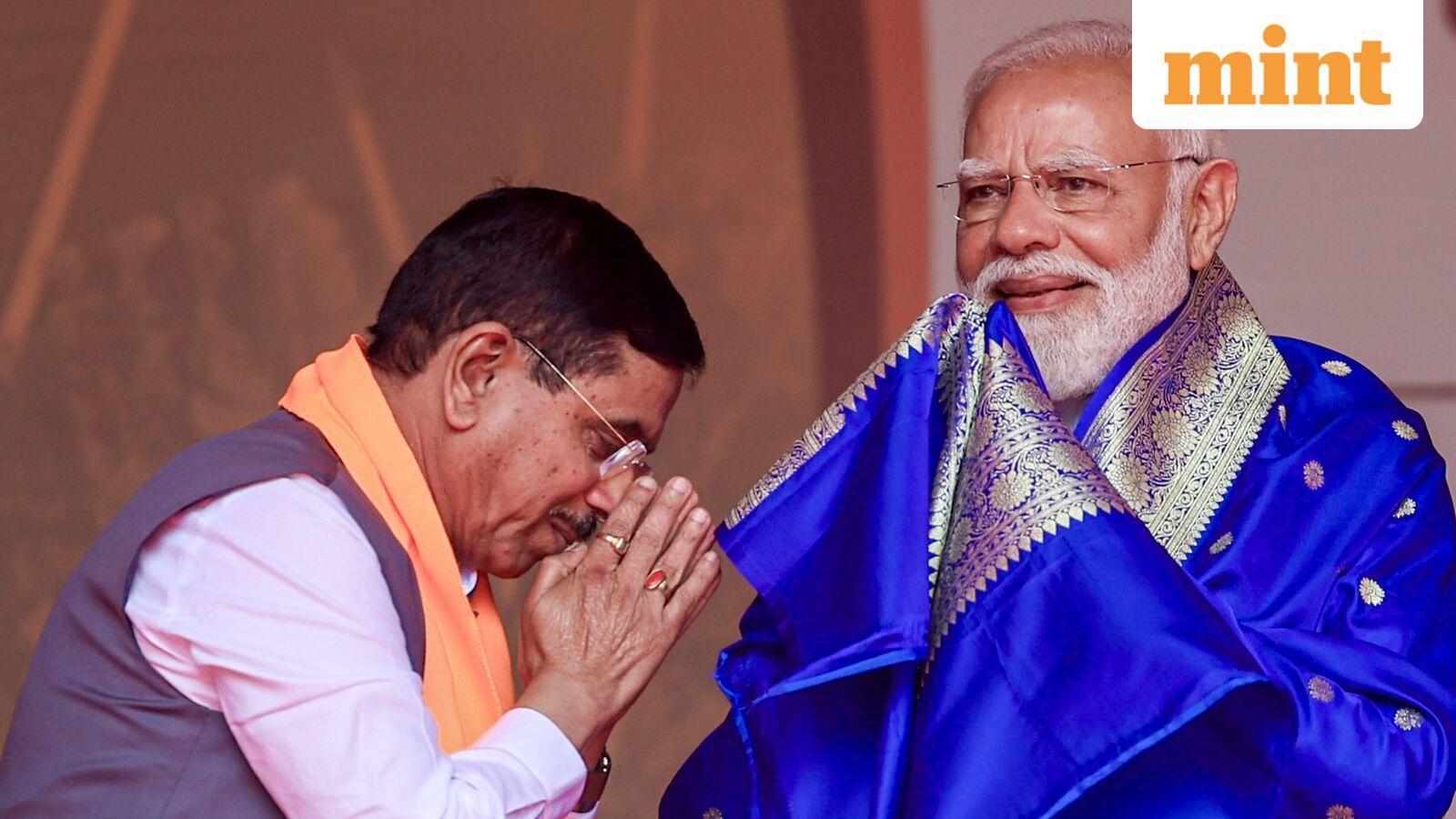
Pralhad Joshi takes charge of education ministry after Dharmendra Pradhan resigns amid 37-day NEET protest. Youth groups seek exam reforms, policy uncertainty for edtech firms.
Continue with
Dharmendra Pradhan resigned from the Union Council of Ministers on Saturday, stepping down as education minister after a 37-day youth-led protest at Delhi's Jantar Mantar over alleged NEET-UG examination irregularities. President Droupadi Murmu accepted the resignation with immediate effect. Pralhad Joshi, already holding the portfolios of Consumer Affairs, Food and Public Distribution, and New and Renewable Energy, took additional charge of the education ministry. Joshi thanked Prime Minister Narendra Modi for the trust and said he would discharge the responsibility with "humility and honesty" in a statement to PTI.
The protest, organized by the Cockroach Janata Party (CJP), drew thousands of students demanding accountability in the examination system. The agitation ended after the third round of talks with Union ministers J P Nadda and Jitendra Singh. The government agreed to withdraw FIRs against protesters, refrain from filing fresh cases, provide compensation to families of NEET aspirants who died by suicide, and continue discussions on broader education reforms. CJP chief spokesperson Saurav Das described the resignation as a "huge victory for the youth" and said the organisation would meet Joshi soon to press its five-point charter on examination reforms. "Whoever becomes the Education Minister should know that the youth are watching. They will demand accountability," Das told ANI.