Stocks● Neutral
Powerball $786M Jackpot: Expert Tips for What to Do if You Win
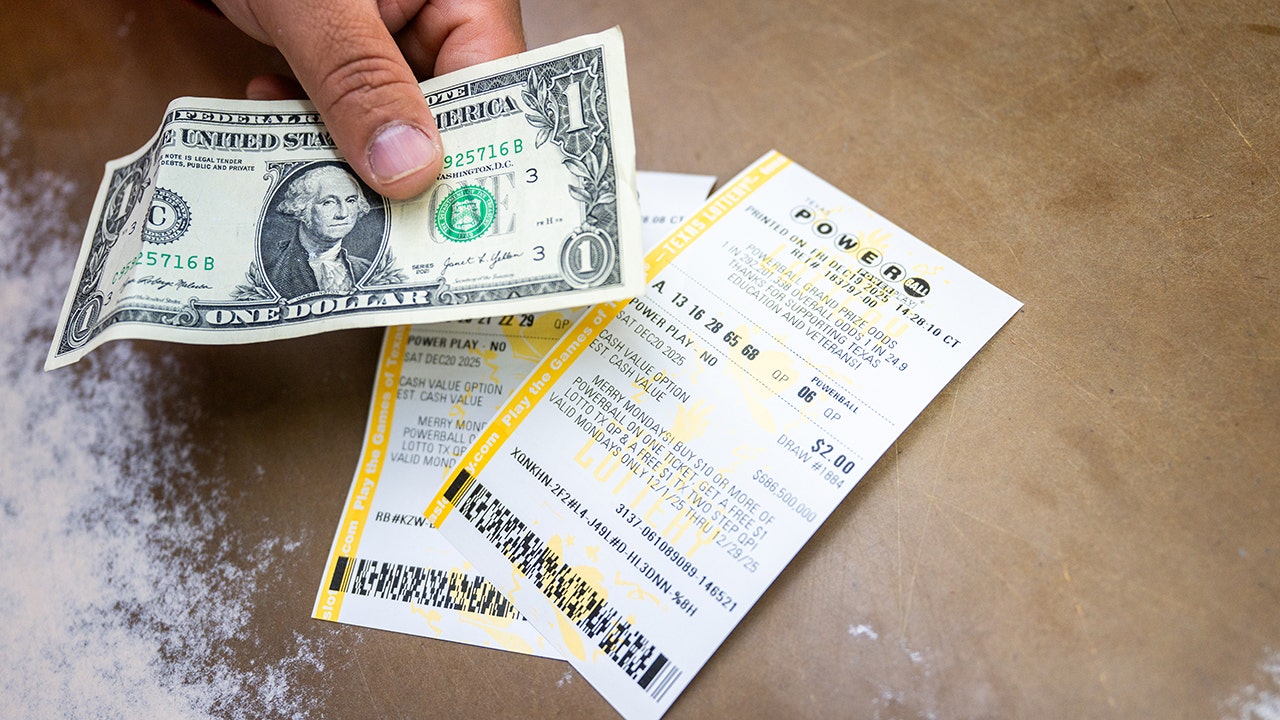
The Powerball jackpot is $786 million. Economist Jeffery Degner explains the first steps winners should take to protect privacy, manage taxes, and avoid costly mistakes.
Continue with
The Powerball jackpot has reached an estimated $786 million for Wednesday night's drawing, the ninth-largest prize in the game's history. A winner taking the cash option would receive about $341.6 million before taxes. The alternative is an annuity paid through 29 annual payments that rise by 5% each year.
The last Powerball jackpot of comparable size was a $1.817 billion prize on Christmas Eve, according to Stephen Durrell, the Powerball product group chair and Kansas Lottery executive director. The current jackpot has been growing since May 2, when tickets sold in Florida and Texas split a $20 million prize. That run covers 40 straight drawings without a jackpot winner.
For the person holding the winning ticket, the first priority is privacy, said Jeffery Degner, a research fellow in economics and economic freedom at the American Institute for Economic Research.
"If you live in a state that allows you to remain anonymous, remain anonymous," Degner told FOX Business. "Keep your mouth shut."
Making a big windfall public can attract requests from long-lost friends, relatives, and strangers, he said. "When askers do eventually come, you should develop the habit of saying 'no' early and often."