Stocks● Neutral
Power Grid Q1 profit falls 0.9% to ₹3,598 cr
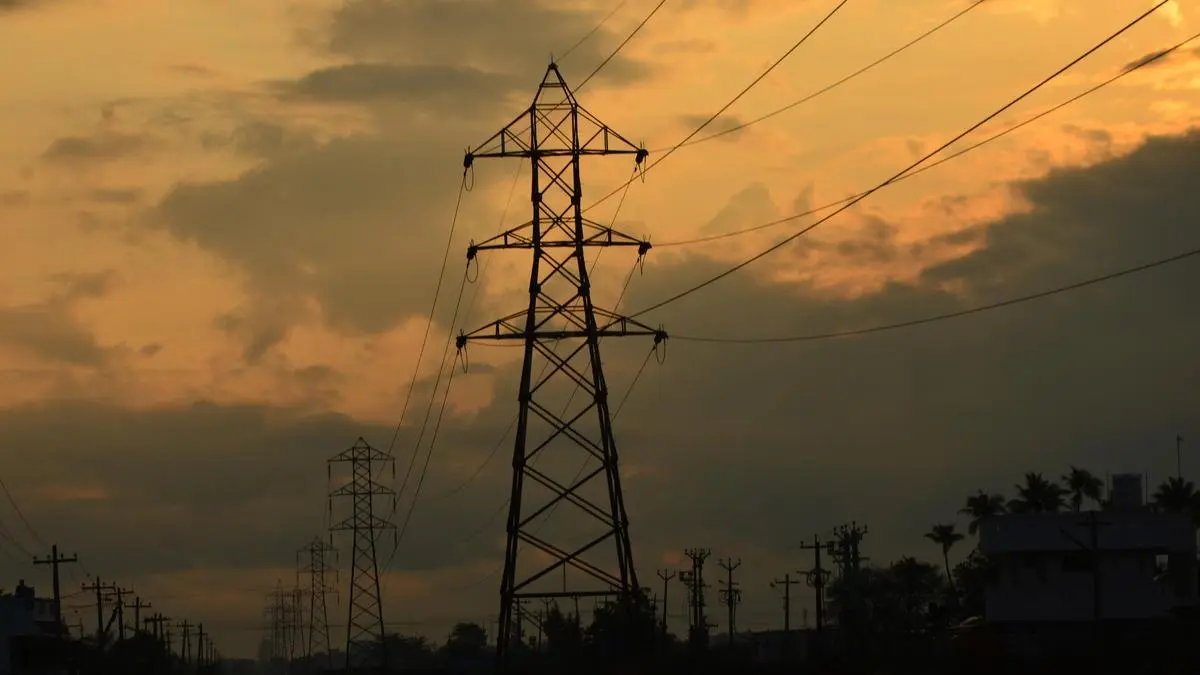
State-owned Power Grid's net profit dipped 0.9% to ₹3,598 cr in Q1, while revenue rose 2.2%. The company approved a ₹857 cr transmission upgrade and secured a JPY 80 billion loan from JBIC.
Continue with
Power Grid Corporation of India reported a 0.9% drop in consolidated net profit for the June quarter, to ₹3,598.42 crore from ₹3,630.58 crore a year earlier, the company said in a regulatory filing.
Revenue rose to ₹11,696.72 crore from ₹11,444.42 crore, helped by higher transmission income. The state-owned grid operator spent ₹7,765 crore on capital expenditure during the quarter and capitalised ₹5,277 crore in assets.
On the project front, Power Grid approved a ₹856.94 crore upgrade of two 400 kV transmission lines in Tamil Nadu using high-temperature low-sag conductors. The work is set for completion by February 2028.
The company also secured a JPY 80 billion loan from the Japan Bank for International Cooperation to finance the Khavda-Nagpur HVDC project, a key link to evacuate renewable power from Gujarat.