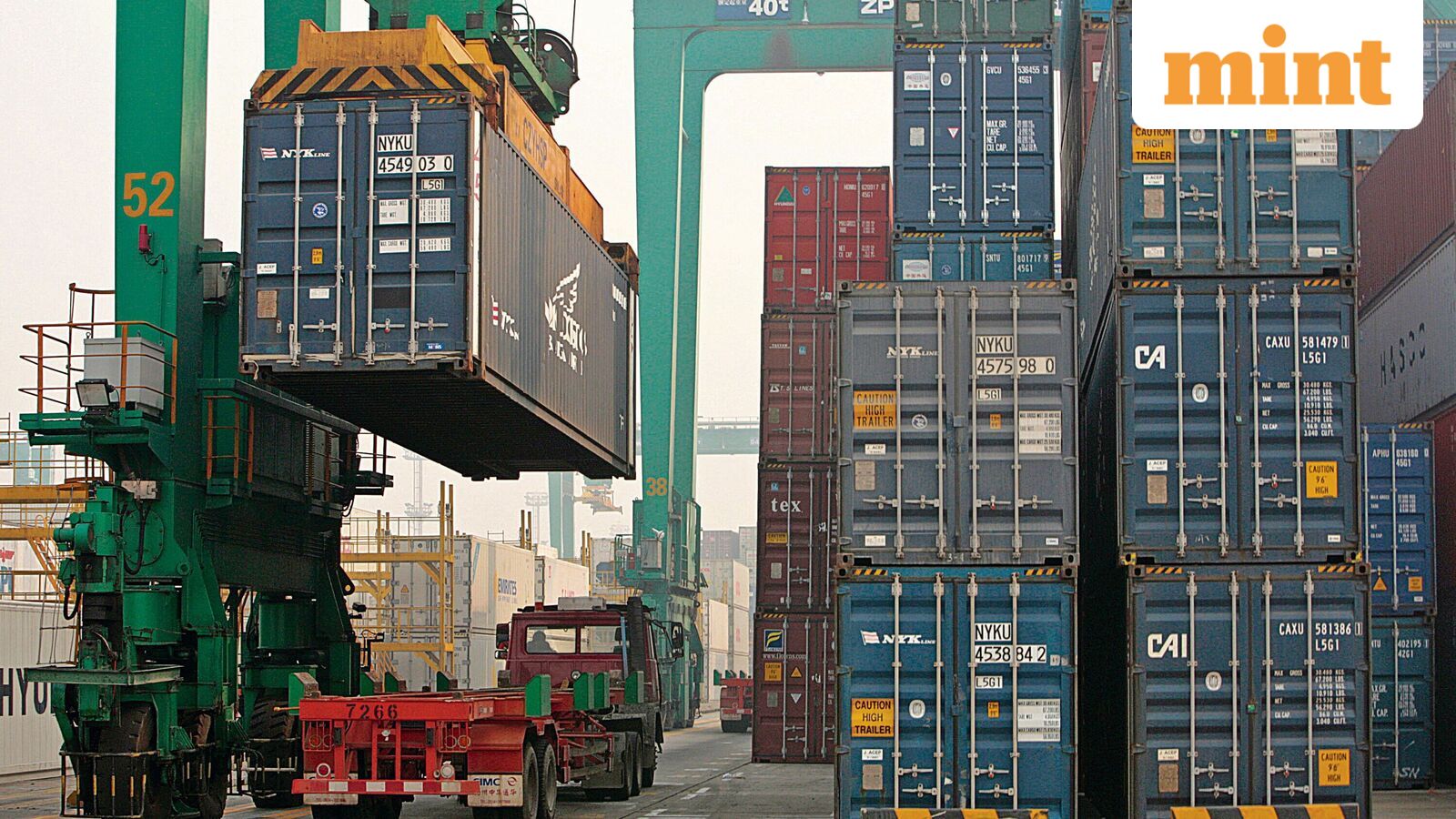
Ports are electrifying faster than shipping's main engines, with 28% of new gantry cranes battery-powered and 90% of trucks at India's JNPT going electric, Bloomberg Opinion reports.
Ports are shifting to electric power faster than many observers expected, even as ocean shipping faces its worst crisis in a generation. The Strait of Hormuz has been closed by the US and Israel fighting Iran, a development that pushed oil above $100 a barrel. The conflict now threatens to revive a blockade of the Red Sea by Yemen's Houthi militia. Yet beneath that turmoil, the march toward clean energy at docks is accelerating.
Almost all large gantry cranes, the towering metal structures that lift containers from ship to shore, are now grid-powered rather than diesel. The smaller, mobile rubber-tired gantries that traditionally burned diesel and generated a disproportionate share of port emissions are moving the same way. In 2024, 28% of new sales were battery-operated, and another 17% were hybrid, according to a Bloomberg Opinion column. At Konecranes, one of the biggest suppliers of such equipment, 62% of sales last year were battery or hybrid.
Several factors make ports unusually well suited to electrification. Their machinery runs on predictable routes over short distances, making it easy to mesh with daily charging cycles. The industry is profitable and stable, generating cash flow to invest in new equipment that can improve margins over time. Ports are also often quasi-monopolies operating under city concessions, giving them a strong incentive to cut local pollution and noise.
Those dynamics are producing real-world results. At Jawaharlal Nehru Port Authority, India's second-biggest container terminal near Mumbai, 90% of the truck fleet will be electric by the end of this year. The Port of Long Beach near Los Angeles has electrified a fifth of its cargo-handling equipment. Tuas, the massive terminal under construction in Singapore and set to be the world's largest when completed in 2040, is being designed almost entirely around grid and battery power.
The shift extends beyond cranes and trucks. Vessels used to burn their own fuel while docked, using auxiliary engines that produced heavy emissions. Now most Chinese and European container and cruise ports provide shore electricity through thick cables. Even tugboats are switching. An electric tug that began operating in Auckland in 2022 costs half as much to run as a diesel version. Singapore put its first electric tugs into service earlier this year.
Getting fossil fuels out of ships' main engines will be the hardest part, though small battery-powered container ships are already entering service. Electrifying shore-based operations is low-hanging fruit. Just 25 harbors handle about half of all container trade, and there are only about 1,000 such ports on the planet, the column noted. The strides they are making offer a test-bed for how battery-powered machinery could transform the global trucking and logistics industry, which accounts for roughly 8% of the world's emissions. Under our noses, a whole industrial ecosystem is quietly switching to clean power.
Drafted by a large language model from the source reporting linked above, then screened by automated publishing checks. It is not read by a journalist before publication. Some articles cite our Alpha Score. Verify prices and figures against the original source. Educational coverage, not personalized advice.