Stocks● Neutral
Port Talbot Fire: How Tata Steel’s UK Turnaround Just Got Riskier
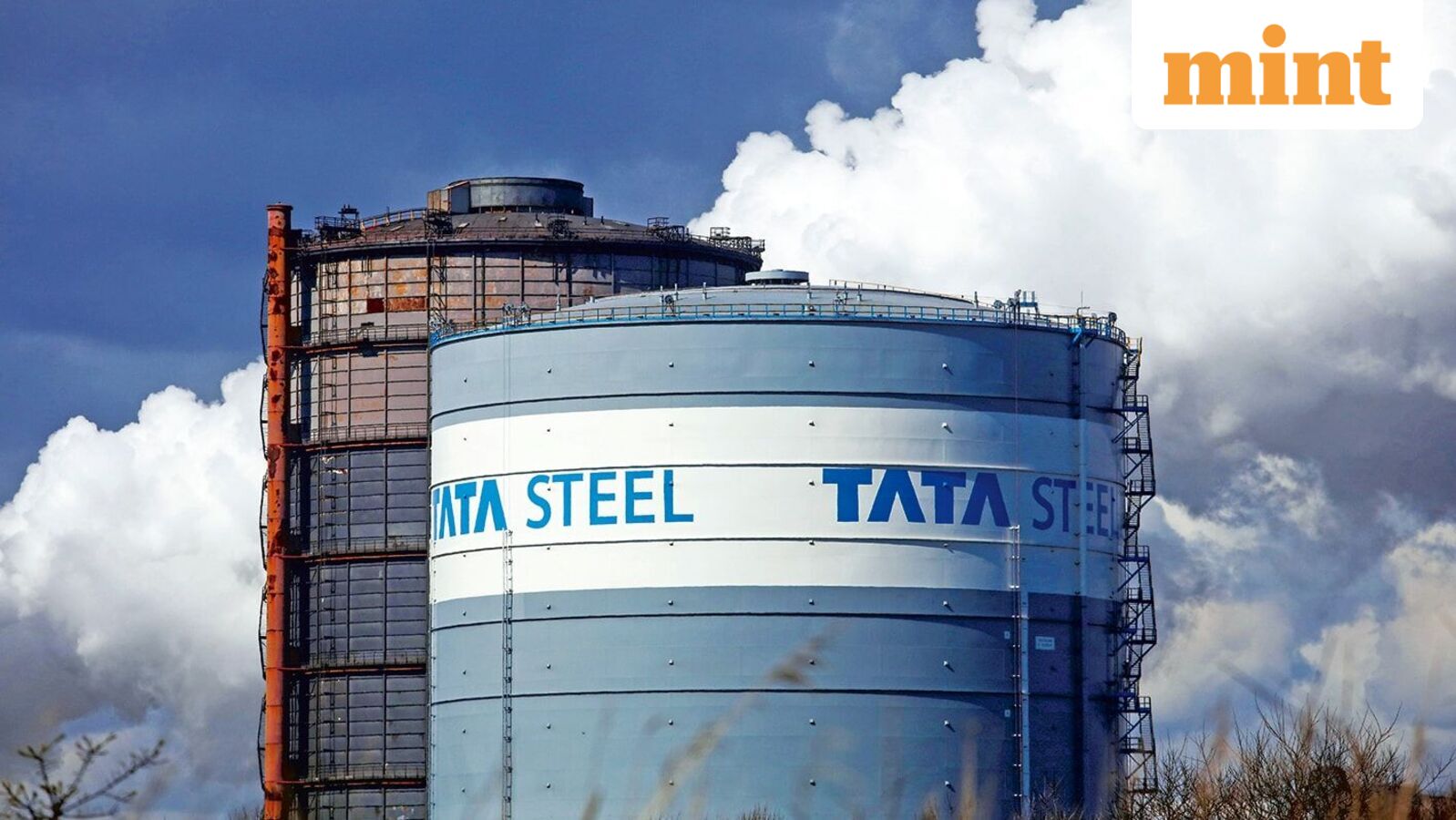
Tata Steel's Port Talbot fire halts cold mill for at least a month. Newport ramp-up and insurance cover will determine if the UK turnaround stays on track.
Continue with
A fire at Tata Steel's Port Talbot plant on 3 June damaged the facility's pickle line, a critical unit that feeds the cold mill, which alone processes roughly half of the site's 2 million tonnes of annual capacity. The executive familiar with the matter said the damage was “substantial” and that production losses could last at least a month. To contain the disruption, Tata Steel is shifting workers and operations to its Newport site, aiming to run it 24/7 within four weeks.
The fire struck at a delicate moment for Tata Steel's UK subsidiary. The unit had guided for Ebitda breakeven by the end of FY27, after narrowing losses to £217 million in FY26 from £385 million in FY25. The company is also in the middle of building a 3.2 million tonne per annum green steel plant at Port Talbot, backed by a £500 million UK government grant as part of a £1.25 billion investment. A prolonged cold mill outage could push the breakeven timeline further out and divert resources from the construction effort.
Why the Pickle Line Shutdown Matters for Production
The Mechanism: Acid Cleaning Enables Cold Rolling
The pickle line uses acid baths to remove surface scale from hot-rolled steel before it can be cold-rolled. Without that step, the cold mill cannot operate. Cold-rolled steel is smoother, stronger, and more precise, making it the preferred material for automotive bodies, appliance panels, and other finished goods. The Port Talbot cold mill accounts for about 1 million tonnes of annual output, the executive said.
The hot rolling mill at Port Talbot was paused as a precaution but is expected to restart in the middle of the following week, according to a company incident update. Hot-rolled steel goes into construction and industrial applications, a lower-margin market than the cold-rolled segment. The cold mill's outage therefore hits the higher-value product stream.