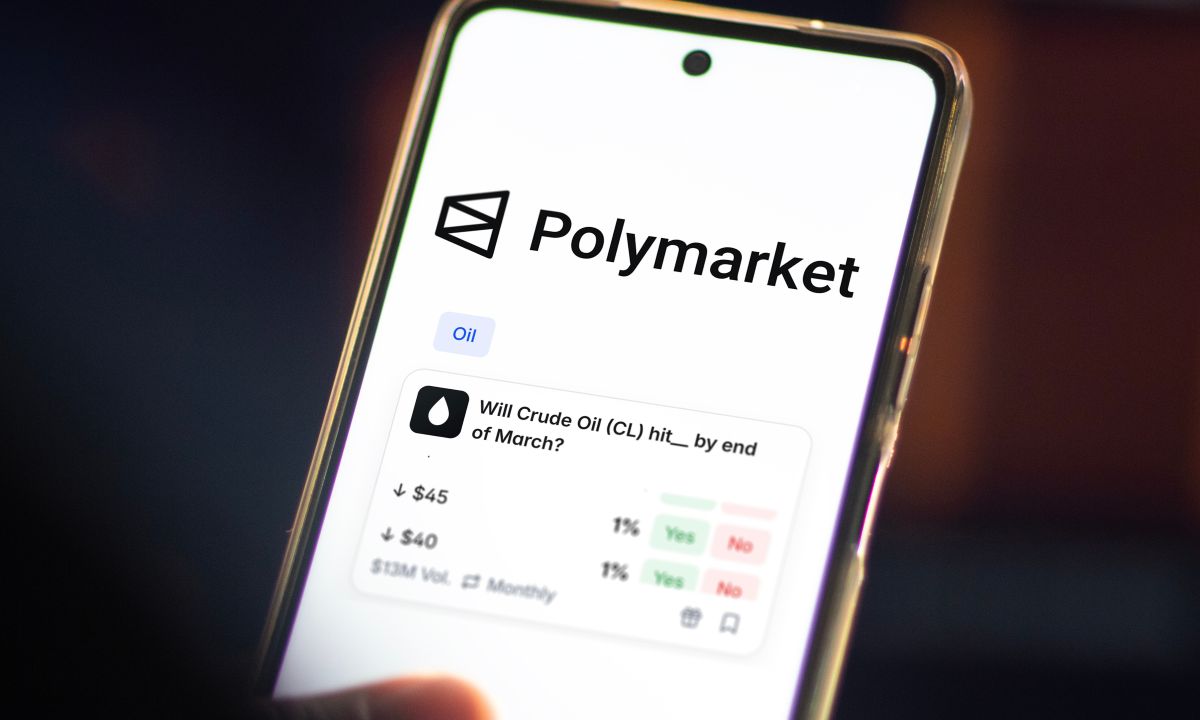
Polymarket paid creators to simulate fake trades on duplicate sites without disclosure, per WSJ. The company promised an audit. The scandal hits as prediction markets court institutional capital.
Polymarket paid content creators to film themselves making fake trades and scoring phony wins, according to an investigation by The Wall Street Journal published Sunday.
The Journal analyzed more than 1,100 videos, reviewed instructional materials, and interviewed creators who worked with the prediction market. The company saturated social media with clips that looked genuine. Polymarket created near-exact copies of its own website, then told creators to simulate trades on those duplicate sites without disclosing they were being paid, the report said.
WSJ said it reviewed 1,105 videos posted by 10 creators endorsed by Polymarket's contractor between December and mid-May. In a majority of the clips, the creators placed a bet, though clues in the footage showed none of the wagers were real. Most just showed the bet being placed. A subset of 118 videos showed creators reacting to outdated footage or phony headlines indicating they had won. Those clips showed creators winning almost $900,000. In reality, those wagers would have lost more than $166,000, the Journal reported.
Polymarket is not available in the U.S. The report said the company's social media campaign targeted American users, who could access the site via a virtual private network.
Polymarket issued a statement to the news outlet. It said it planned to carry out an audit of active promotional content. The company added it was "committed to maintaining accurate, fair, and transparent markets. We are part of a rapidly growing industry and are constantly evaluating ways to improve how we're engaging and earning the trust of our audience."
The scandal comes as Polymarket pushes into institutional business. Earlier this month the company closed its first on-chain institutional block trade tied to AI compute infrastructure. "Prediction markets are emerging as one of the most powerful venues for institutional block trades, and this transaction is proof," Brooke Rizzetto, head of institutional liquidity at Polymarket, said at the time.
Rival Kalshi has reportedly tripled its annualized revenue since November, bringing that figure to $2 billion, driven by trading around the NBA and World Cup games. The Information reported Kalshi is in talks with banks about going public, though that is not likely to happen until late 2027 or 2028.
The fake-win campaign raises questions about user trust at a moment when prediction markets are courting institutional capital. Polymarket's own statement acknowledged the tension: the company said it is "constantly evaluating ways to improve how we're engaging and earning the trust of our audience." The audit it promised will test whether that commitment translates into structural changes to how it vets promotional content.
Prepared with AlphaScala research tooling and grounded in primary market data: live prices, fundamentals, SEC filings, hedge-fund holdings, and insider activity. Each story is checked against AlphaScala publishing rules before release. Educational coverage, not personalized advice.