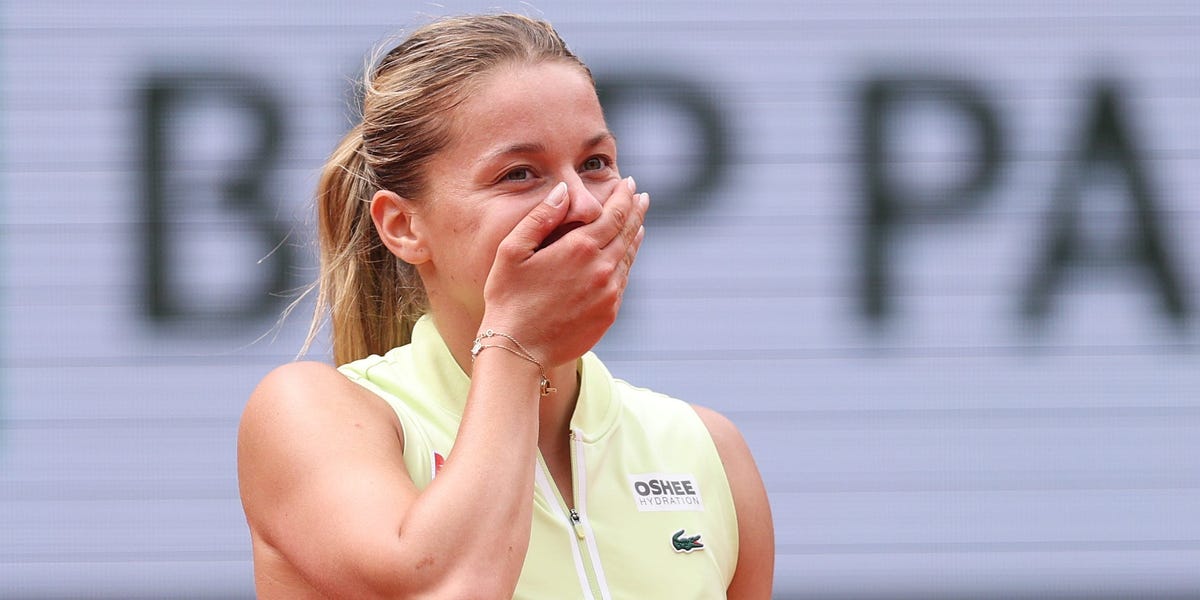
Maja Chwalińska, a 24-year-old qualifier from Poland ranked outside the top 100, has reached the women's final at Roland-Garros. The run guarantees her a seven-figure paycheck – roughly €1.2 million as runner-up or €2.4 million as champion. During an on-court interview after an early match, she said she was running out of money to pay for her hotel in Paris.
The Economic Gap Between the Top and the Rest of the Tour
The story exposes a structural feature of professional tennis: prize money is heavily skewed toward the late rounds. Roland-Garros pays the winner €2.4 million and the runner-up €1.2 million. A first-round loser in the main draw receives about €60,000. A qualifier who loses in the first round of qualifying gets roughly €20,000. Chwalińska’s payout is a 20x to 40x multiple over what she would have earned losing in qualifying.
Players outside the top 50 typically spend €100,000 to €150,000 annually on travel, coaching, and accommodation. Prize money at lower-tier ITF and Challenger events often fails to cover those costs. Chwalińska’s comment about running out of money for a hotel is the normal state for players ranked 100-200.
How Qualifying Economics Create Financial Stress
Tennis does not pay players for training, travel, or coaching. Players bear those costs personally. A player ranked around No. 150 in the world is effectively running a small business with negative cash flow in most months. The French Open’s qualifying tournament offers about €20,000 for a first-round loss in qualifying – less than the cost of a month in Paris for a player with a coach.
- Winner of Roland-Garros: €2.4 million
- Runner-up: €1.2 million
- First-round main draw loser: €60,000
- First-round qualifying loser: ~€20,000
For every Chwalińska who breaks through, dozens of players ranked 100-200 are still paying for their own hotels. The ratio of winner’s pay to first-round loser’s pay is 40x. The ATP and WTA tours have discussed increasing first-round prize money, the gap remains wide.
What This Run Changes – and What It Does Not
Chwalińska’s final appearance changes her financial trajectory immediately. The seven-figure check covers several years of expenses. It also earns her direct entry into the main draws of the next three Grand Slams, eliminating the need to qualify. That alone saves about €15,000 per tournament in travel and accommodation costs that would otherwise be spent on qualifying weeks.
The final match is the immediate catalyst. A win would double her payout and secure a five-year exemption into the main draw of all Grand Slams. A loss still resets her career financially. The more structural question for the tour is whether this story – a qualifier nearly unable to afford a hotel – accelerates the push for a minimum prize floor in the early rounds.