Stocks● Neutral
PJM Power Emergency Declared as Heat Wave Tests Grid
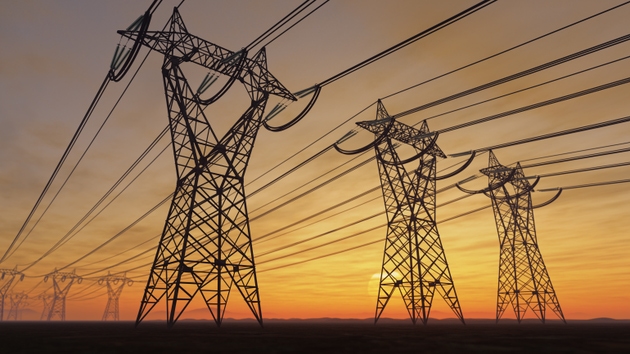
Trump declares PJM power emergency as 100°F heat wave tests grid capacity. Electricity prices surge above $200/MWh in some zones. What it means for utilities and the XLU ETF.
Continue with
The Trump administration declared a power emergency Tuesday for PJM Interconnection, the grid that serves 65 million people from Washington D.C. to Chicago. The order lets power plants in the 13-state region exceed normal pollution and operating limits through Friday. It came ahead of a heat wave that is forecast to push temperatures above 100°F across the mid-Atlantic and Midwest.
Temperatures are expected to peak late this week, with the same heat dome that strained PJM during a June heat wave settling over the region. That earlier event forced the grid operator to issue conservative operations alerts and call on demand-response resources. This time, the emergency declaration is a regulatory step that removes emissions caps and operating-hour restrictions for generators burning coal, natural gas, and oil. Some renewable facilities whose output is constrained by interconnection agreements also get the green light to run flat out.
The practical effect is straightforward: any megawatt that can physically reach the grid can be dispatched, regardless of normal environmental or contractual limits. PJM real-time electricity prices have already climbed above $200 per megawatt-hour in several zones, up from the $30 to $50 range seen during mild spring weather. Higher fuel costs and potential wear on aging plants are the downside for utilities. The upside is the chance to capture peak power prices.