Stocks● Neutral
PJM Grid Faces 'Grave Legitimacy Crisis,' FERC Chair Says
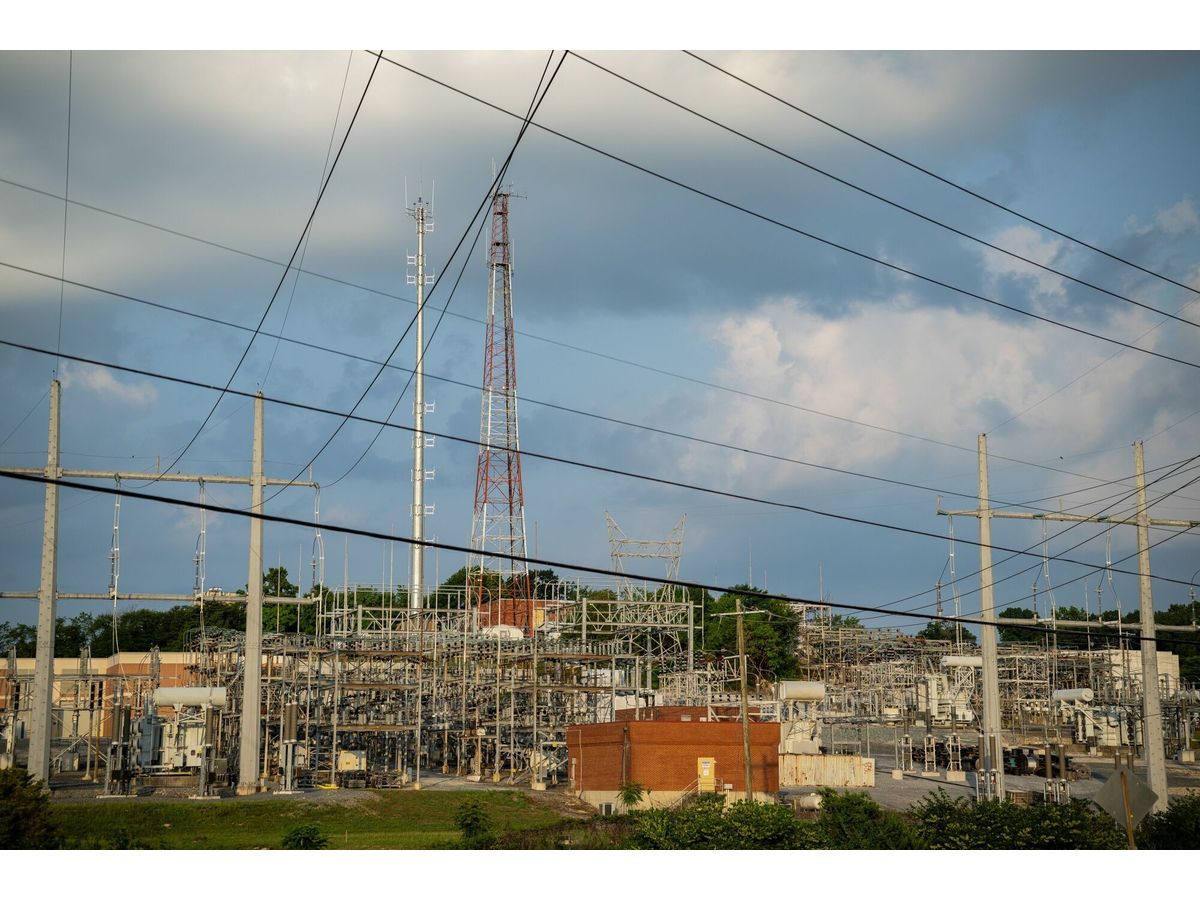
FERC Chair Laura Swett said market participants lost confidence in PJM Interconnection, as White House officials view a forced breakup of the grid as increasingly likely.
Continue with
America's largest power grid is facing a "grave legitimacy crisis" and needs reform, the chairman of the top U.S. energy regulator said Thursday, setting the stage for a barrage of criticism from the Energy Department and White House.
Market participants have "lost confidence" in PJM Interconnection LLC's decision-making, Federal Energy Regulatory Commission Chairman Laura Swett said in opening remarks at a Washington conference. Her comments presaged a day of talks on PJM reforms as White House officials view a forced breakup of the grid as increasingly likely.
America's aging electricity networks are struggling to keep up with surging demand from data centers, fueled by the boom in artificial intelligence. Among the country's grid operators, PJM has endured the most criticism over its struggle to build sufficient electric generation and keep power costs in check. It has faced months of intense pressure from the Trump administration, state governors, utilities and consumer rights groups.
"Frustrations are mounting, the collaborative spirit that underpin the market's formation is fracturing and some transmission owners are openly discussing leaving," Swett said. She urged stakeholders to find an agreement on a path to reform the grid, which serves 67 million Americans across 13 states from Illinois to North Carolina.