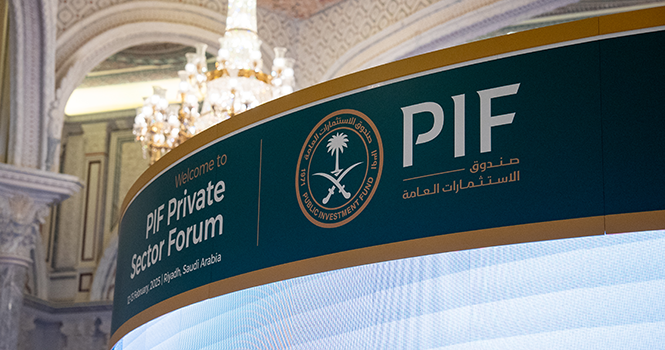
The Public Investment Fund published its 2026-2030 strategy, allocating capital across three portfolios — Vision, Strategic Investments, and Financial Investments — and six domestic ecosystems, marking a shift from dealmaking to value extraction.
Saudi Arabia's Public Investment Fund published its 2026-2030 strategy document on Monday, Aug. 12, laying out how it will allocate capital across three portfolios and six domestic economic ecosystems. The fund's board approved the plan in mid-April.
The strategy, branded under the theme "Value Realization," shifts the PIF toward building competitive domestic ecosystems and extracting returns from existing holdings rather than just deploying new capital. The document details three investment buckets.
The Vision Portfolio targets six integrated ecosystems: tourism, travel and entertainment; urban development and real estate; advanced manufacturing and innovation; industry and logistics; clean and renewable energy and water infrastructure; and NEOM. The portfolio aims to deepen integration across priority sectors, drive domestic growth, and attract international partners, the fund said.
The Strategic Investments Portfolio will manage and maximize returns from the PIF's existing assets, pushing its portfolio companies toward global scale. The fund said it will continue making long-term bets in strategic sectors while adjusting to economic shifts.
The Financial Investments Portfolio is the return-seeking arm, focused on generating sustainable financial returns through direct and indirect global market exposure. Its mandate includes diversifying the fund's holdings and building partnerships that pull in foreign investment.
Each portfolio has a distinct goal. The Vision Portfolio drives national transformation. Strategic Investments extracts value from the fund's own companies. Financial Investments chases yield and diversification. The overlap is intentional: the PIF wants its domestic projects to attract foreign capital, and its global investments to feed back into the domestic economy.
The document is the fund's second five-year plan since its governance overhaul in 2017. The first plan, covering 2021-2025, focused on asset accumulation and international dealmaking. This one shifts toward monetization and ecosystem building.
PIF has been one of the most active sovereign wealth funds globally, with stakes in Uber, SoftBank's Vision Fund, and a majority holding in Newcastle United. It also controls Saudi Aramco's downstream assets and has driven projects from the Red Sea tourism development to the $500 billion NEOM megacity.
The strategy document did not disclose a target asset size or specific return targets. PIF's assets under management stood at roughly $700 billion as of mid-2024, according to the Sovereign Wealth Fund Institute.
Drafted by a large language model from the source reporting linked above, then screened by automated publishing checks. It is not read by a journalist before publication. Some articles cite our Alpha Score. Verify prices and figures against the original source. Educational coverage, not personalized advice.