Back to Markets
Stocks● Neutral

Physical Retail Pivot: UK Brands Refine Store Formats to Counter Digital Saturation

Physical Retail Pivot: UK Brands Refine Store Formats to Counter Digital Saturation
ONASNOWHUBS

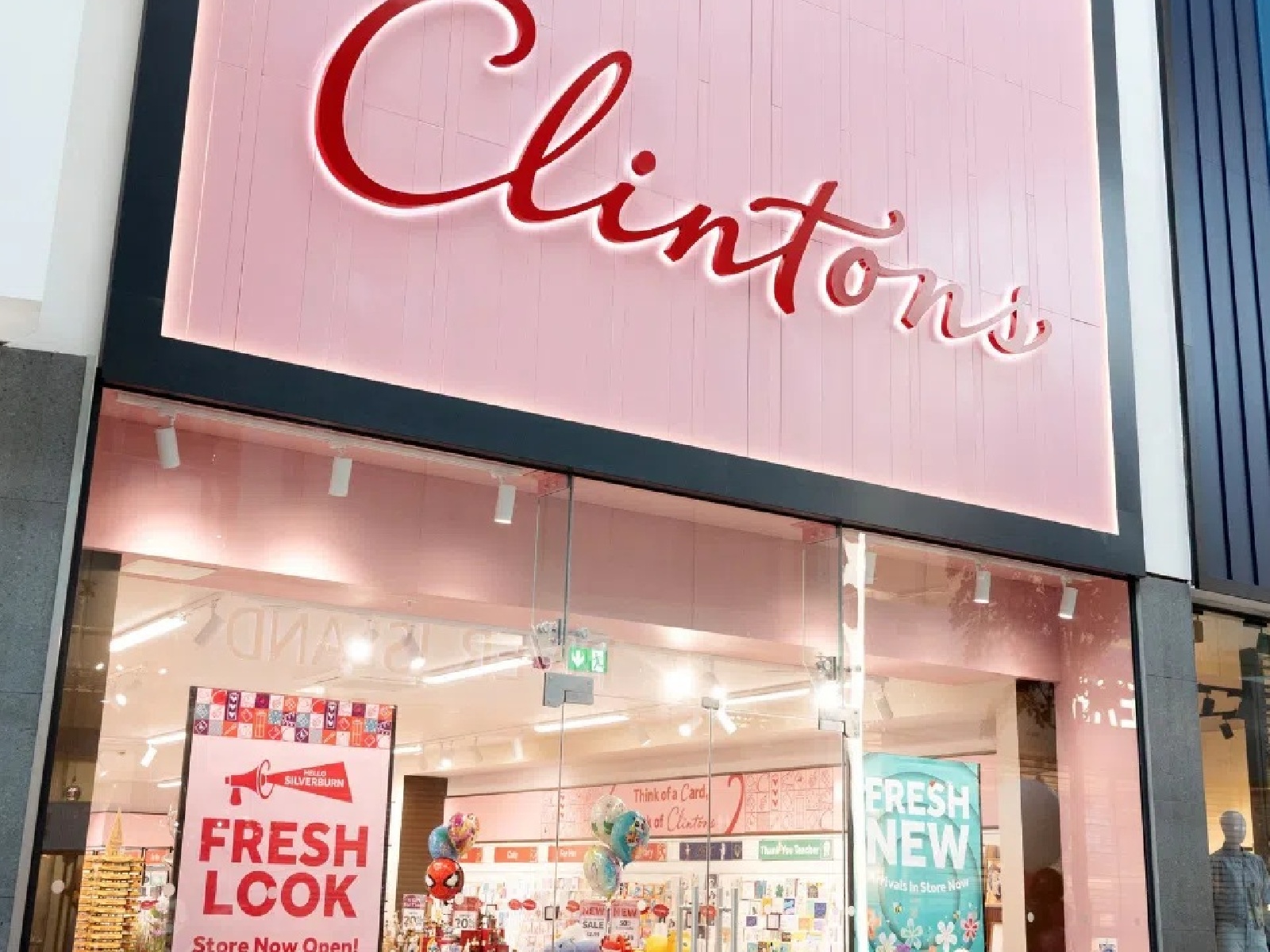
UK retailers are shifting toward smaller, experiential store formats in April 2026, prioritizing high-engagement service models over traditional inventory-heavy footprints to combat digital saturation.

AlphaScala Research Snapshot
Live stock context for companies directly referenced in this story
Alpha Score
45
Weak

Alpha Score of 45 reflects weak overall profile with strong momentum, poor value, poor quality, weak sentiment.

Consumer Cyclical
Alpha Score
47
Weak

Alpha Score of 47 reflects weak overall profile with moderate momentum, poor value, moderate quality. Based on 3 of 4 signals — score is capped at 90 until remaining data ingests.

Technology
Alpha Score
52
Weak

Alpha Score of 52 reflects moderate overall profile with poor momentum, strong value, strong quality, weak sentiment.

Technology
Alpha Score
32
Poor

Alpha Score of 32 reflects weak overall profile with poor momentum, poor value, moderate quality, moderate sentiment.

This panel uses AlphaScala-native stock data, separate from the source wire linked above.

The UK physical retail sector is undergoing a structural transition in 2026 as major brands move away from traditional high-street footprints in favor of specialized, high-engagement store formats. This shift represents a departure from the aggressive digital-first strategies that defined the early decade. Instead, retailers are now prioritizing physical spaces as experiential hubs rather than mere distribution points for inventory.

Strategic Reconfiguration of Retail Footprints

Five major brands have initiated comprehensive store revamps this April to address changing consumer preferences. These updates focus on integrating localized inventory management with enhanced in-store service capabilities. By shrinking the square footage of general-purpose stores and expanding dedicated service zones, these companies aim to reduce overhead while increasing the value of each customer visit. The strategy relies on the assumption that physical presence remains a critical component of brand loyalty, provided the store environment offers utility that digital interfaces cannot replicate.

This trend suggests that the retail sector is moving toward a hybrid model where physical locations function as showrooms for complex products and service centers for post-purchase support. The following brands are leading this transition:

  • Brands are prioritizing smaller, high-traffic locations over sprawling suburban outlets.
  • Investment is shifting toward interactive displays that bridge the gap between online catalogs and physical stock.
  • Operational focus has moved to staff-led consultations rather than self-service aisles.
  • Logistics integration allows these stores to serve as rapid fulfillment points for local online orders.

Sector Read-through and Valuation Dynamics

For investors, the move toward revamped store formats signals a potential stabilization in commercial real estate exposure for retail-heavy portfolios. While the broader stock market analysis often emphasizes the dominance of e-commerce, the capital expenditure required for these store refreshes indicates that management teams see tangible returns on physical assets. The valuation of these retailers is increasingly tied to their ability to maintain high sales density per square foot rather than total store count.

This evolution is not merely a defensive measure against digital competition. It is an attempt to capture higher margins through personalized service and reduced inventory holding costs at the store level. As brands optimize their physical presence, the divergence between retailers that successfully pivot and those that remain tethered to outdated, high-cost footprints will likely widen. This shift mirrors broader trends seen in the Indian Passenger Vehicle Sector Faces Growth Deceleration Toward FY27, where market players are also recalibrating their physical distribution strategies to match shifting demand cycles.

AlphaScala Data and Future Markers

AlphaScala tracking shows that retail firms allocating more than 15 percent of their annual capital expenditure to store-format innovation are currently outperforming their peers in same-store sales metrics. This data suggests that the market is beginning to reward companies that demonstrate a clear, actionable strategy for physical retail integration.

The next concrete marker for this sector will be the mid-year earnings reports, which will reveal the impact of these April store revamps on operating margins. Investors should monitor the specific commentary regarding store-level profitability and the reduction of lease liabilities associated with the transition to smaller, more efficient footprints. The success of these formats will determine whether this trend remains a niche strategy or becomes the standard operating model for UK retail through the remainder of the fiscal year.

How this story was producedLast reviewed Apr 27, 2026

AI-drafted from named sources and checked against AlphaScala publishing rules before release. Direct quotes must match source text, low-information tables are removed, and thinner or higher-risk stories can be held for manual review.

Editorial Policy·Report a correction·Risk Disclaimer