PhotoShelter Launches Metadata Templates for Enterprise DAM Workflows
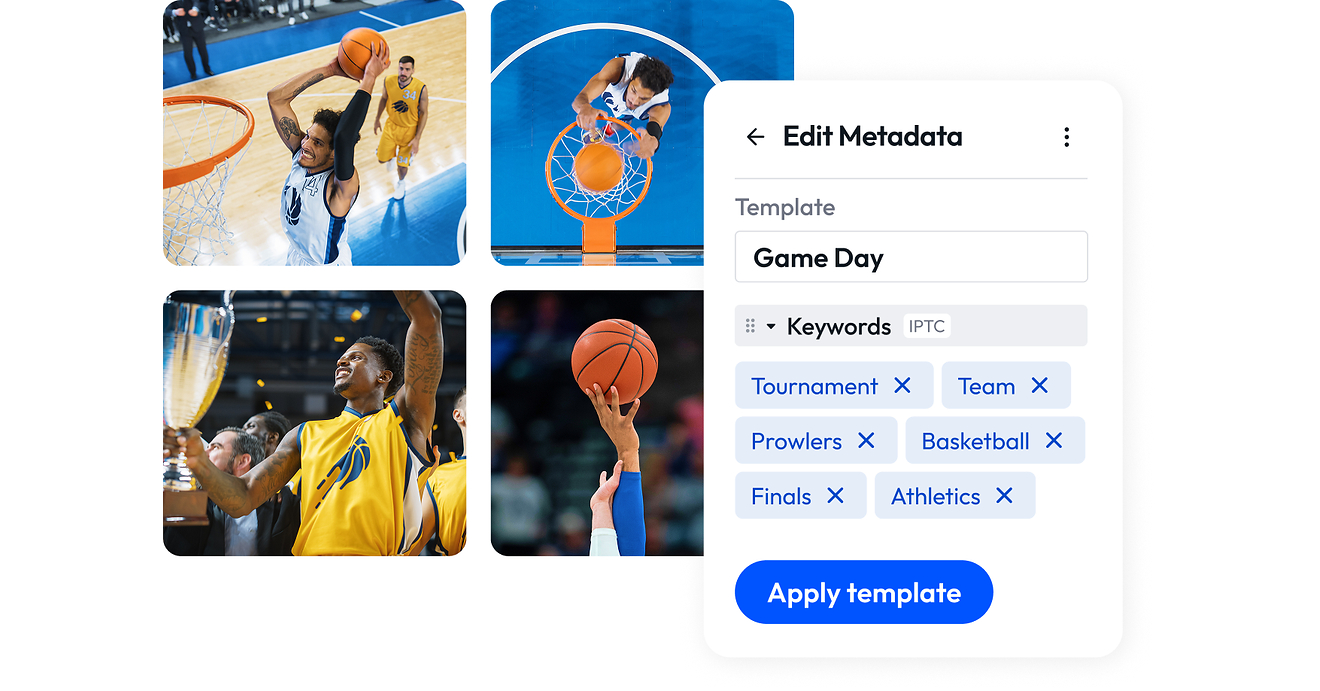
PhotoShelter's new Metadata Templates let teams apply reusable metadata configurations across assets, supporting imports from tools like Photo Mechanic and Adobe Bridge. Available now in all plans.
Alpha Score of 57 reflects moderate overall profile with strong value, strong quality. Based on 2 of 4 signals – score is capped at 75 until remaining data ingests.
PhotoShelter, the digital asset management platform, launched a feature that lets teams apply predefined metadata templates across multiple assets in one action. The company aims to cut the manual work of re-entering copyright and keyword data for each image or video.
The feature, called Metadata Templates, allows users to create reusable configurations and set how each field behaves. Options include appending or overwriting existing values. Those settings are saved as part of the template.
PhotoShelter said the feature supports imports from TXF and XMP files. It also works with images that have embedded IPTC metadata. This lets teams coming from tools like Photo Mechanic, Adobe Bridge, Lightroom, and Capture One keep their existing metadata structures without starting over.
Andrew Fingerman, CEO of PhotoShelter, said the company's customers manage millions of assets across dozens of workflows. "Metadata Templates is about giving them back time and consistency at the same time," he said.
The feature is particularly useful for sports organizations, universities, and brands that handle large batches of event photography or campaign assets. A team hosting a live event, for example, can add event-specific metadata across all assets without retyping it.
Metadata Templates is included in all PhotoShelter for Brands plans and is available today. The company, founded in 2005, says it manages over 6.7 billion assets and supports nearly 100 million annual downloads for clients that include the NFL, MLB, and Wendy's.
Drafted by a large language model from the source reporting linked above, then screened by automated publishing checks. It is not read by a journalist before publication. Some articles cite our Alpha Score. Verify prices and figures against the original source. Educational coverage, not personalized advice.