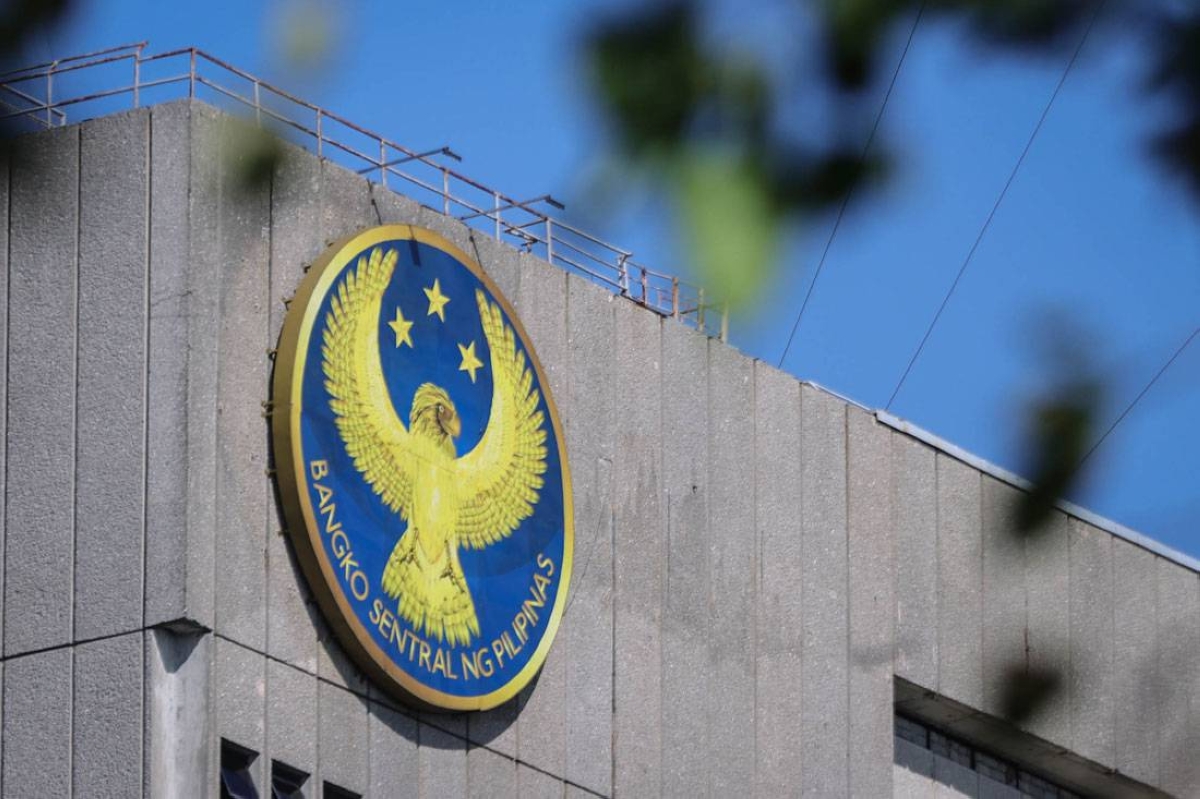
Philippine net foreign direct investment dropped 17% in the first quarter to $1.72 billion, central bank data showed Wednesday.
The Bangko Sentral ng Pilipinas reported the decline from $2.07 billion a year earlier. In March alone, net FDI inflows slipped 4.23% month-on-month to $611 million, though they were 26.1% higher than March 2024.
Robert Dan Roces, an economist at SM Investment Corp., said the weaker figures do not signal a loss of confidence in the Philippines. Investors are simply more cautious given global uncertainties, he said.
Nonresidents' net investments in debt instruments dropped to $368 million in March from $461 million in February. Reinvestment of earnings rose to $78 million from $61 million a year ago. Equity capital placements improved to $166 million from $101 million a year earlier.
For the full quarter, equity capital placements rose 13.1% to $337 million from $298 million in the same period last year. Reinvestment of earnings dropped 17.9% to $206 million. Net investments in debt instruments slumped 22.7% to $1.17 billion.
Japan and the United States were the top sources of equity placements, the BSP said. Singapore also featured prominently. Manufacturing and financial services led the recipient sectors, with real estate also receiving significant inflows.
The Q1 total of $1.72 billion annualizes to roughly $6.9 billion, below the BSP's $7.5 billion target for the year. The central bank maintained its full-year net FDI forecast of $7.5 billion for 2026 and 2027.
The BSP's FDI figures track actual investments, unlike the Philippine Statistics Authority's data on approved commitments, which may not materialize.