Stocks● Neutral
Philippine Business Groups Back Marcos SONA Energy, Digital Push
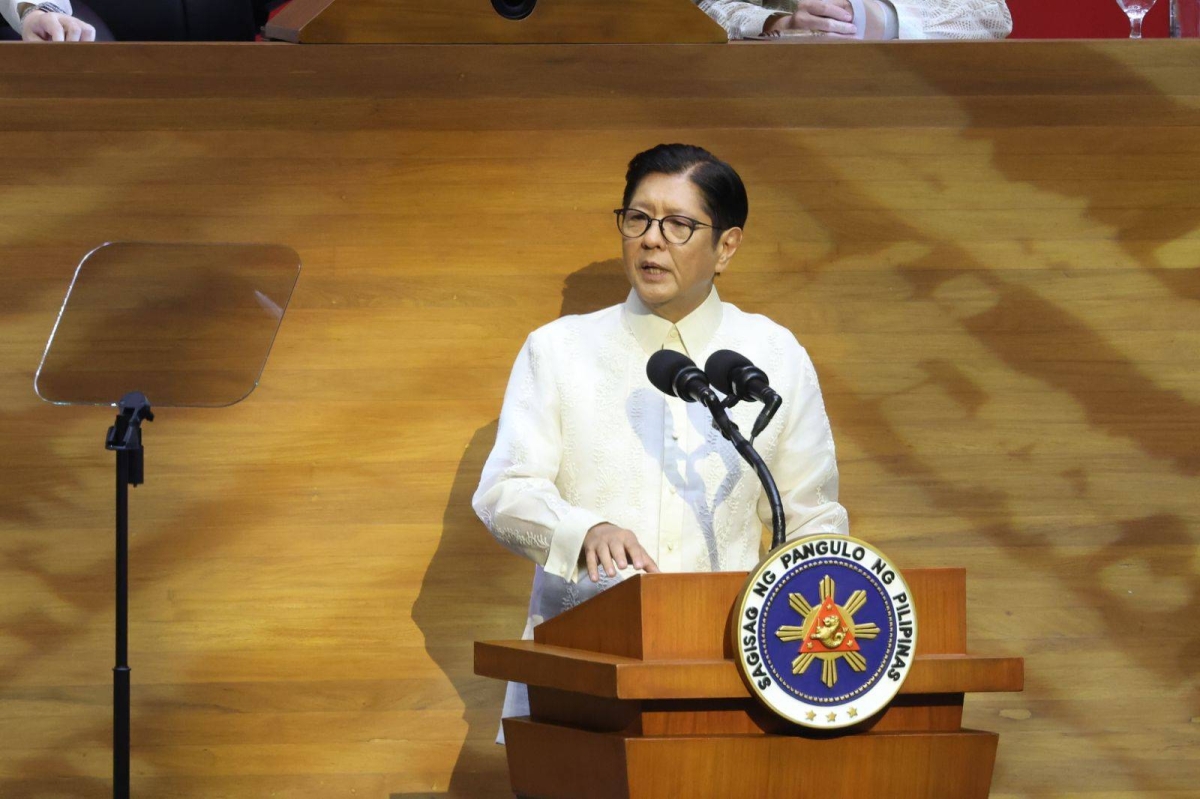
Business groups welcome Marcos SONA energy reforms and digital push, but flag need for regulatory certainty and competitiveness strategies.
Continue with
Business groups in the Philippines are rallying behind the policy directions President Ferdinand Marcos Jr. outlined in Monday's State of the Nation Address. The American Chamber of Commerce of the Philippines, the European Chamber of Commerce of the Philippines (ECCP), and the Philippine Chamber of Commerce and Industry (PCCI) issued statements of support focused on energy reform, anti-corruption efforts, and economic modernization.
Changes to the Electric Power Industry Reform Act, nuclear energy adoption, and the Sariling Kuryente Act for renewables drew particular praise. The chambers also backed the National Single Window System, the eGov platform, and digitalization of government and healthcare services. On the workforce side, they called upskilling, reskilling, and digital literacy essential for global competitiveness.
Marcos received commendation for addressing infrastructure, governance, and accountability. The PCCI highlighted the administration's stance on public spending transparency, corruption oversight, and disaster response. The chamber also noted the president could have laid out more concrete strategies to keep the Philippines competitive with its ASEAN neighbors.