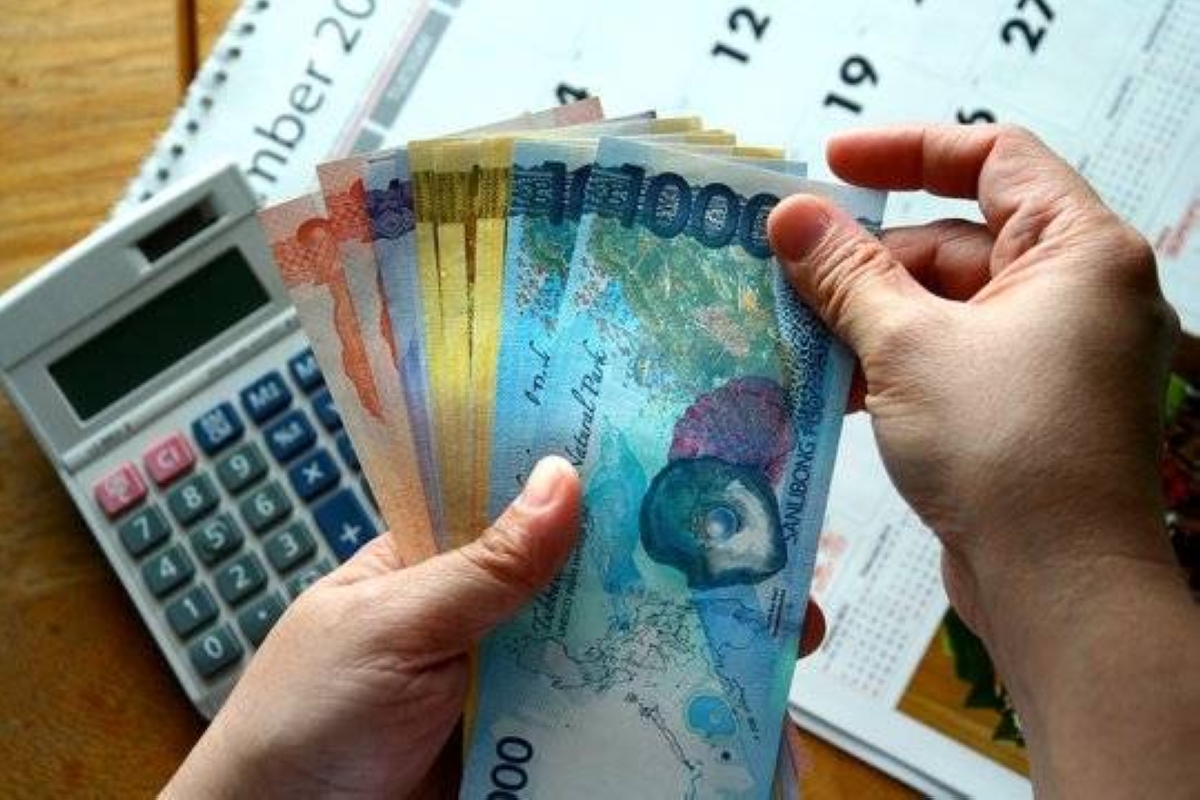
The peso touched P61.995 to the dollar on Wednesday, an intraday record low, before closing at P61.815, 3 centavos weaker. The drop sent the benchmark PSEi down 106.36 points, or 1.70 percent, to 6,158.34.
Union Bank of the Philippines chief economist Ruben Carlo Asuncion blamed higher oil prices and geopolitical tensions for the peso's slide, and said the dollar's broader strength added pressure. "As a major oil importer, the Philippines is vulnerable to higher energy costs, which increase demand for dollars and weigh on the currency," Asuncion said.
Jonathan Ravelas, senior adviser at Reyes Tacandong & Co., said the peso could hit P62:$1 in the coming days. Investors had pushed the dollar higher before the Aug. 19 release of the Federal Reserve's July FOMC meeting minutes, "hoping for guidance on the interest rate outlook," Ravelas said. Uncertainty in the Middle East was also pushing money into the dollar as a safe haven, he added.
Regina Capital Development Corp. head of sales Luis Limlingan said the peso's drop had heightened concerns about inflation and borrowing costs, adding to pressure on equities.
Philstocks Financial Inc. research manager Japhet Tantiangco said the rise in oil prices and the peso's record intraday drop came from fears of further escalation in the US-Iran war.
Heightened geopolitical risks prompted broad-based selling, and every sectoral index ended lower. Services posted the steepest decline, down 2.68 percent. Foreign investors were net sellers, with P865.09 million in outflows. Net value turnover was P5.68 billion. Decliners outnumbered gainers 119 to 74, and 54 issues closed unchanged.
Elsewhere in Asia, most emerging-market stocks fell. The MSCI Emerging Asia equities index dropped 2.1 percent, tracking Wall Street losses overnight. Earlier this week, the US 30-year Treasury yield touched its highest level in nearly two decades.
"Oil above $90 and rising developed-market yields create a double squeeze for oil-importing emerging markets: higher import bills weaken currencies and lift inflation, while higher global yields raise funding costs and pull capital toward developed markets," said Glenn Yin, director of research at ACCM. Yin added that the squeeze pressures valuations and margins, hitting energy importers hardest unless growth and earnings stay strong.