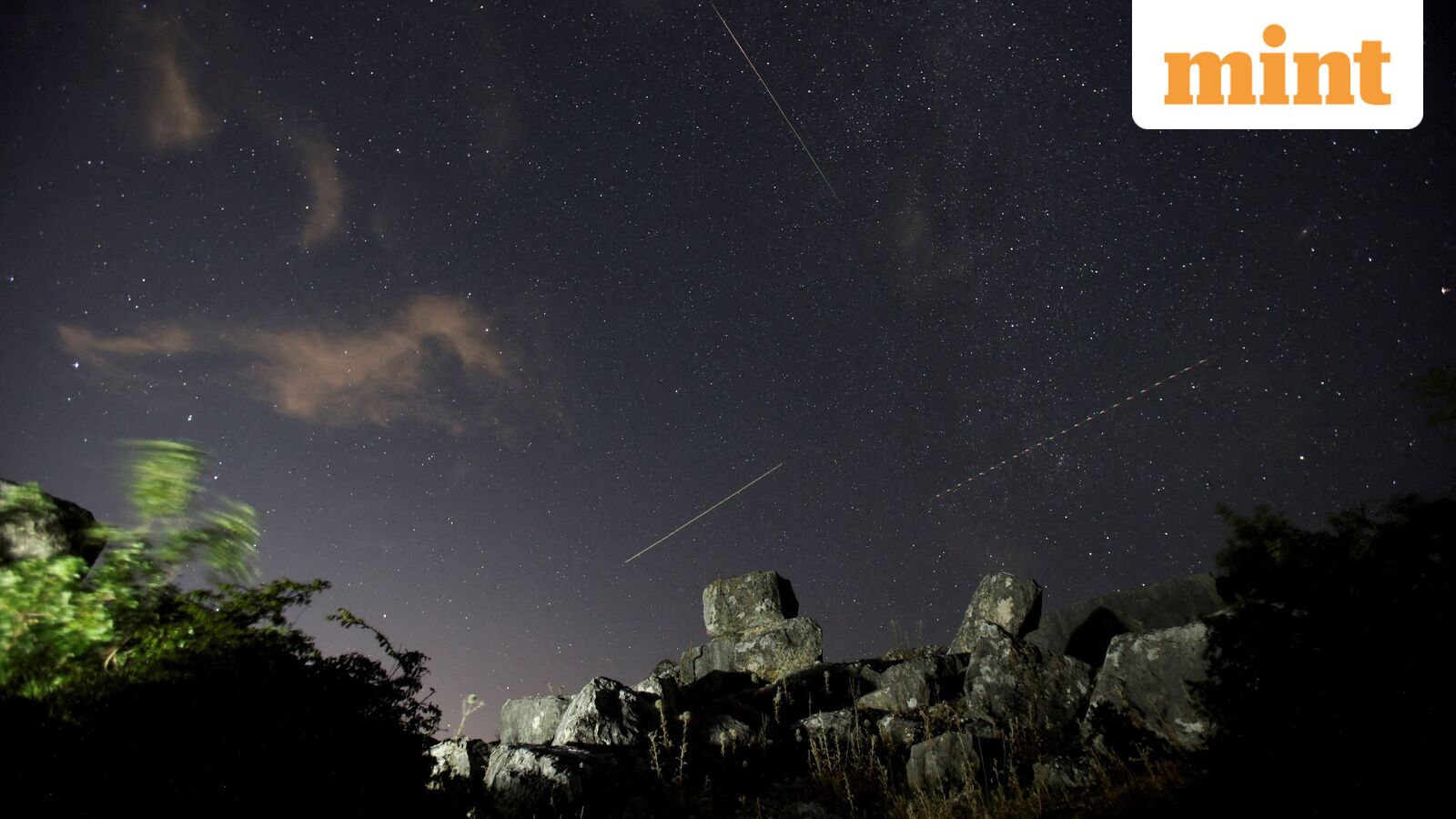
A meteor lit up Istanbul two nights before the Perseid peak. Forecasts call for 50 to 75 meteors per hour at dark sites, with the shower active through Aug. 24.
A bright meteor lit up the sky over Istanbul two nights before the Perseid peak. Local media reported the object entered the atmosphere around 1 a.m. on Aug. 10 over the Hürriyet neighbourhood of Büyükçekmece. Dashcams and security cameras in Arnavutköy and Küçükçekmece captured the descent second by second. Several mobile phones caught it too. The flash was visible to the naked eye.
The Perseid shower peaked on the night of Aug. 12 into the early hours of Aug. 13. A new moon meant dark skies, with no moonlight washing out fainter streaks.
Space.com advises starting around 11 p.m. local time, when rates pick up, and watching until dawn. The Royal Observatory Greenwich puts the sweet spot between midnight and 5:30 a.m.
The peak is not the whole window. The Natural History Museum lists the shower as active from July 17 to Aug. 24, 2026, leaving several nights still ahead even as numbers taper.
The Perseids are often quoted at more than 100 meteors an hour. Forecasts for 2026 are more modest. The International Meteor Organization expects lower rates this year, with models predicting Earth would pass through a sparser stretch of the debris stream. The Planetary Society puts the likely output at 50 to 75 meteors per hour at a dark site.
What you actually see depends on weather and light pollution. The radiant's height matters too. The shower favors the Northern Hemisphere, which places India well to observe it. Under genuinely dark skies the expected rate is in the 50-to-100 range, though city viewers should temper expectations sharply.
The meteors are debris shed by comet Swift-Tuttle. Earth ploughs through the trail, and fragments of dust and rock burn up roughly 100 km overhead, producing the streaks seen from the ground.
According to NASA, the Perseids are considered the best meteor shower of the year. The meteors are swift and bright, with long wakes of light and color trailing behind. NASA also notes the shower's fireballs, larger bursts of light and color that last longer than an average streak. These come from bigger particles of cometary material and have apparent magnitudes greater than -3.
Find a dark spot away from city lights, lie back, and give your eyes time to adjust. No telescope is required, because it narrows your field of view, and meteors can appear anywhere in the sky. Eyes take about 20 minutes to fully adapt; one glance at a phone resets the clock.
Drafted by a large language model from the source reporting linked above, then screened by automated publishing checks. It is not read by a journalist before publication. Some articles cite our Alpha Score. Verify prices and figures against the original source. Educational coverage, not personalized advice.